
Skin
Acne Scar Treatment in Barrie: Microneedling vs CO2 Laser
Manochehr Samya Kalantari, RN · November 12, 2026 · 6 min read
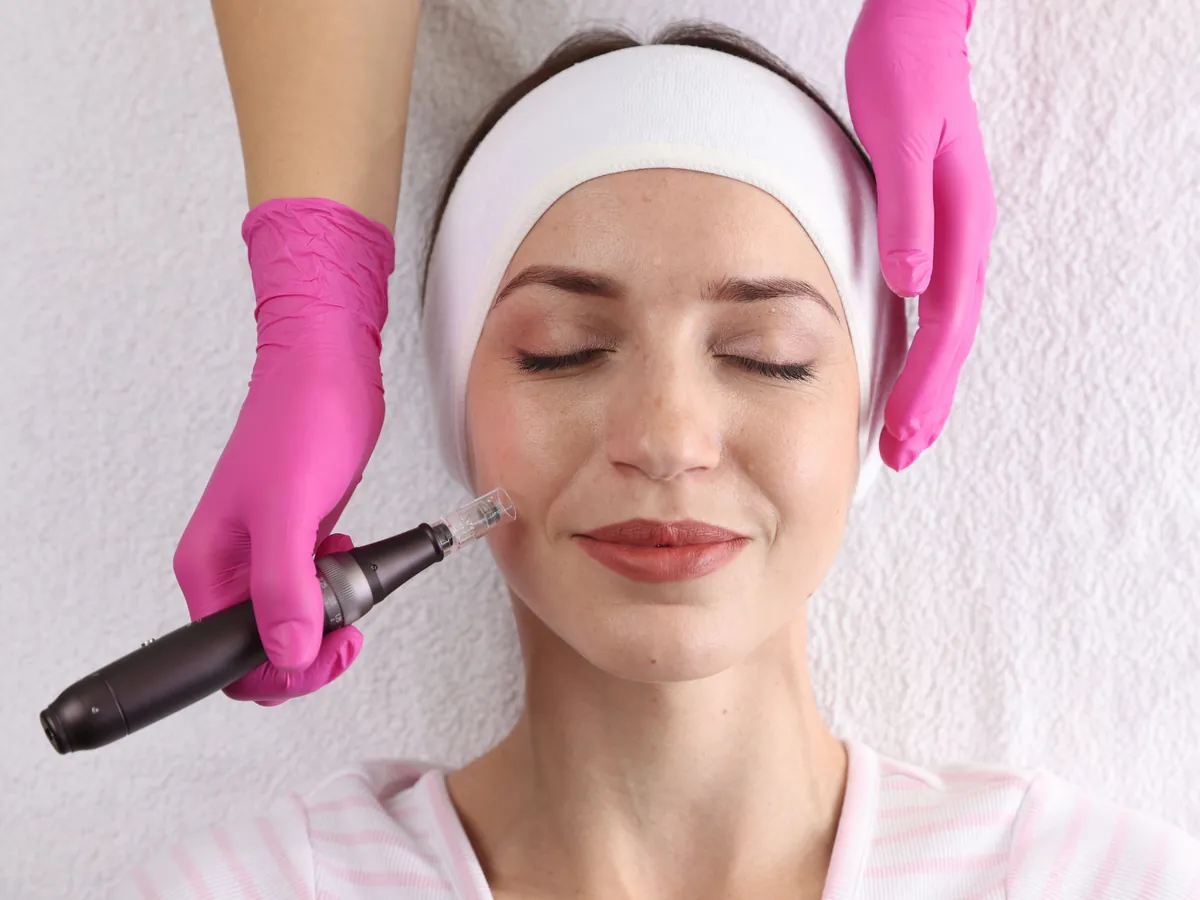
If you live with acne scars, you have probably spent more time than you'd like looking at them in the bathroom mirror. At our downtown Barrie clinic, one of the most common questions I hear is simple: "Should I do microneedling or CO2 laser for my scars?"
I'm Manochehr, a Registered Nurse and the owner of Simcoe Cosmetic Clinic. The honest answer is that it depends on the type of scars you have, your skin tone and how much downtime you can manage. In this post I'll walk you through how I think about acne scar treatment in Barrie, how microneedling and CO2 fractional laser compare, and when combining them may make sense.
Why acne scars are not all the same
Acne scars form when deep, inflamed breakouts damage the collagen under the skin. When the skin heals, it doesn't always rebuild that collagen evenly, and a dip or pit is left behind. Most people have a mix of scar types:
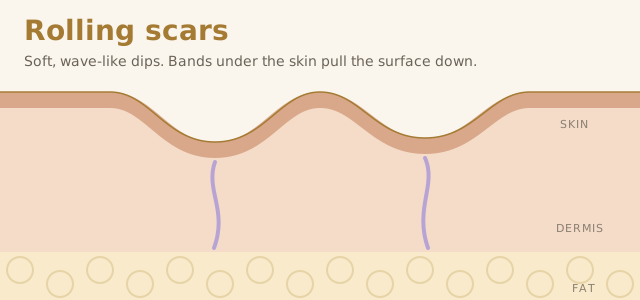
Rolling scars – soft, wave-like dips that make skin look uneven, especially in side lighting. Bands of scar tissue under the skin pull the surface down.
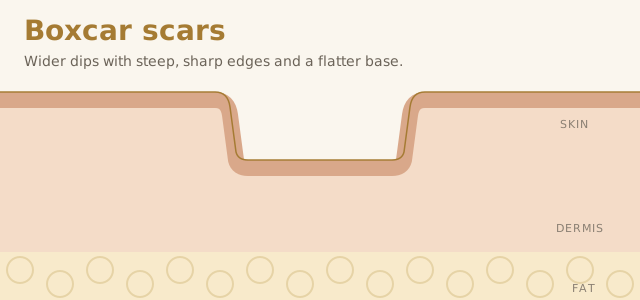
Boxcar scars – wider depressions with sharper edges and a flatter base.
Ice-pick scars – narrow, deep pits that are often the most stubborn.
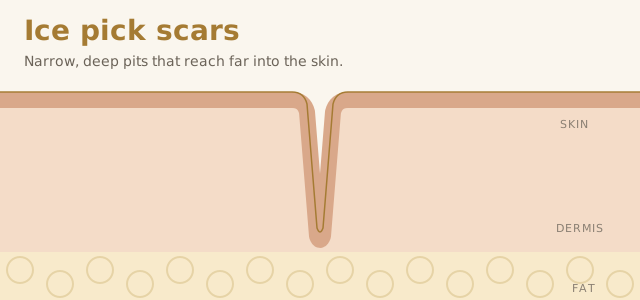
These are simple drawings of the skin to show the shape of each scar type, not photos of real patients.
It's also important to separate true scars from marks. Red or brown spots left after a breakout are colour changes, not changes in texture. They often need a different approach, such as light-based treatment, and some fade on their own with time and good sun protection (see my guide to choosing a sunscreen for pigmentation, and our AlumierMD skincare shop if you'd like help choosing one).
This is why I don't recommend a treatment before I've looked at your skin. Two people can both say "I have acne scars" and need very different plans.
How microneedling works for acne scars
Microneedling uses a device with very fine needles to create tiny, controlled channels in the skin. Your skin responds to these micro-injuries by starting its natural repair process, which includes building new collagen. Over time, this may help soften rolling scars and shallower boxcar scars and improve overall texture.
What I like about microneedling for many clients:
- Lower downtime – most people have one to three days of redness, similar to a mild sunburn
- Suitable for many skin tones when done with appropriate settings
- Gradual, natural-looking change – it works with your own healing
The trade-off is that microneedling usually needs a series of sessions, often three to six, spaced four to six weeks apart. It may not be strong enough on its own for deeper scars.
Some clients choose to add PRP (platelet-rich plasma, prepared from a small sample of your own blood) to their microneedling session. Research suggests PRP may support healing and collagen remodelling, though results vary from person to person. If you're curious about PRP on its own, you can read more on our PRP facial page.
How CO2 fractional laser works for acne scars
CO2 fractional laser is a stronger option. It creates thousands of tiny columns of controlled injury in the skin, removing a fraction of the damaged surface and stimulating deeper collagen remodelling as the skin heals.
For deeper boxcar scars and more pronounced texture, CO2 fractional laser may give a more noticeable improvement per session than microneedling. The trade-offs are real, though:
- More downtime – expect about five to seven days of redness, swelling and peeling
- More careful aftercare – gentle cleansing, moisturising and strict sun protection while your skin heals
- More caution with darker skin tones – there's a higher risk of temporary or lasting dark marks, so settings and skin preparation matter
I wrote more about why many people in Simcoe County plan resurfacing for the colder months in Why Fall and Winter Are a Good Time for CO2 Laser in Barrie. The short version: less sun exposure makes healing and aftercare easier.
Microneedling vs CO2 laser: a side-by-side look
| Microneedling | CO2 fractional laser | |
|---|---|---|
| Best suited to | Rolling and shallow scars, texture | Deeper boxcar scars, more pronounced texture |
| Typical downtime | 1–3 days of redness | About 5–7 days of redness and peeling |
| Number of sessions | Usually 3–6 | Often fewer, depending on your skin |
| Skin tone considerations | Suitable for many skin types | Extra caution with darker skin |
| How results show | Gradually over 3–6 months | Gradually over 3–6 months |
In real life, many of my acne scar plans in Barrie use both. For example, CO2 laser may be used for the deepest areas while microneedling helps maintain and refine texture between sessions. Ice-pick scars can be especially stubborn, and I'll always be upfront about how much change is realistic.
Is now the right time to treat your scars?
A few things should be in place before we start:
- Active acne should be under control. Treating scars while new breakouts keep appearing is frustrating, and inflamed skin is not a good candidate for these treatments.
- Tell me about any isotretinoin (Accutane) use. If you've taken it in the past six to twelve months, we need to discuss timing before any treatment.
- Be ready to protect your skin from the sun. That's one reason winter in Ontario can be a practical time to start.
- Plan around your calendar. If you have a wedding or big event, let me know so we can schedule downtime well ahead of it.
People also come to our clinic from Innisfil, Orillia, Midhurst and Angus for acne scar consultations, and I'm always happy to plan sessions around a commute.
What to expect at your consultation
Your first visit is a conversation, not a sales pitch. I'll look closely at your scar types under good lighting, ask about your skin history and medications, and talk through what you'd like to change. Then I'll explain which options make sense for your skin, roughly how many sessions you might need and what recovery will look like.
Pricing for acne scar treatment depends on your scar type and the treatments in your plan, so I'll confirm it at your consultation. If I don't think a treatment is right for you, I'll tell you.
Frequently asked questions
What is the best treatment for acne scars in Barrie? There isn't one best treatment for everyone. Microneedling often suits milder, rolling scars with less downtime, while CO2 fractional laser is stronger and may suit deeper scars. Many people do best with a combined plan.
Is microneedling or CO2 laser better for acne scars? CO2 fractional laser is generally more intensive and may give more change per session for deeper scars, but it has more downtime. Microneedling is gentler and suits many skin tones. Your scar type decides which is a better fit.
How many sessions do I need to improve acne scars? Most plans involve three to six sessions spaced four to six weeks apart, depending on the method and your scars. Collagen builds slowly, so improvement shows gradually over three to six months.
Can acne scars be removed completely? Usually not completely. The realistic goal is to soften scars and smooth texture so they are much less noticeable.
Does acne scar treatment hurt? We apply numbing cream before microneedling or laser. Most people describe a prickling or warm sensation that is manageable.
Book a free acne scar consultation in Barrie
If acne scars have been affecting how you feel about your skin, you don't have to figure out the right treatment on your own. Learn more about our acne scar treatment in Barrie, our microneedling and CO2 fractional laser options, then come in for an honest, no-pressure conversation.
Book a free consultation at Simcoe Cosmetic Clinic, 129 Dunlop St E, Barrie, or call 705-481-1091. You can also book online.
Individual results vary.
About the author
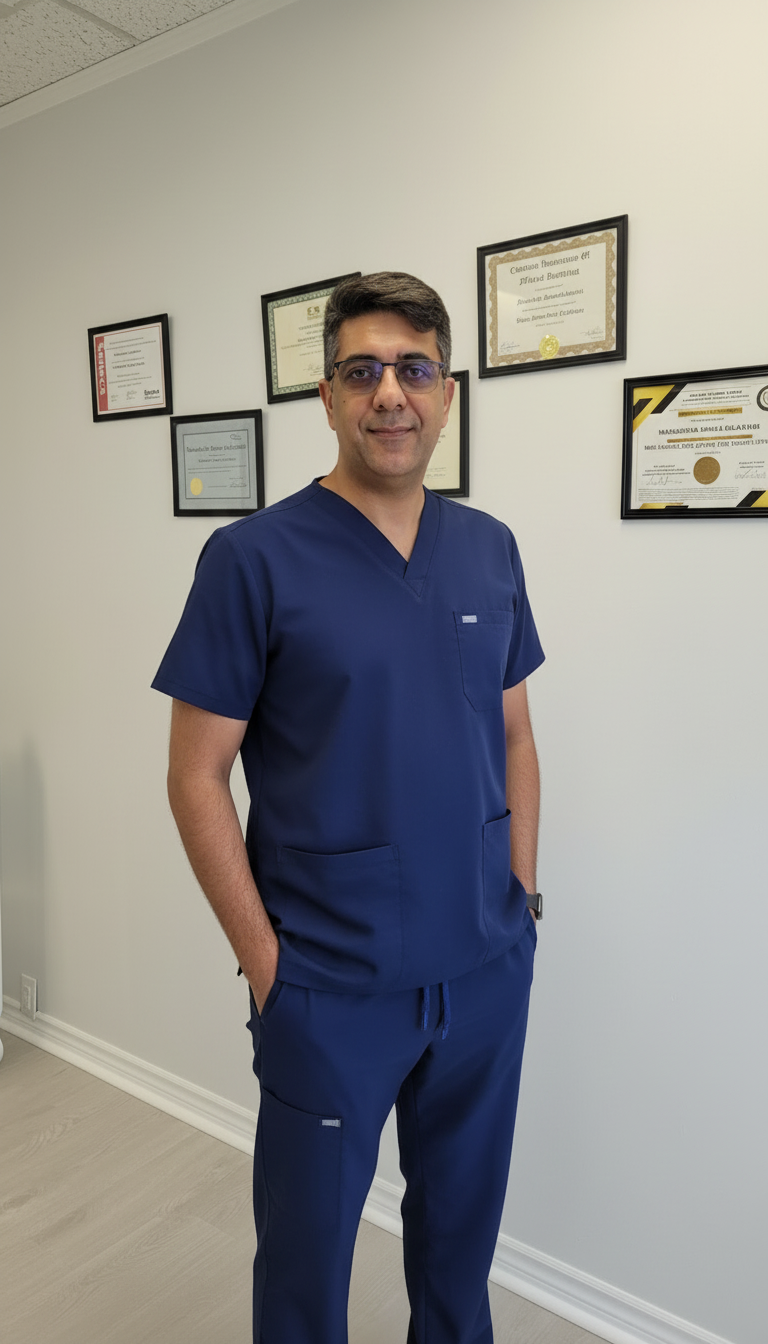
Manochehr Samya Kalantari, RN
Founder of Simcoe Cosmetic Clinic and a Registered Nurse with more than 30 years in health care, including ICU, ER and IV nursing.
Read moreHave questions about your treatment options?
Book a free consultation

Ready when you are.
Start with a consultation. Leave with a plan that's yours.