
Skin
Natural Ways to Fade Hyperpigmentation: A Barrie Nurse's Guide
Manochehr Samya Kalantari, RN · November 18, 2026 · 6 min read
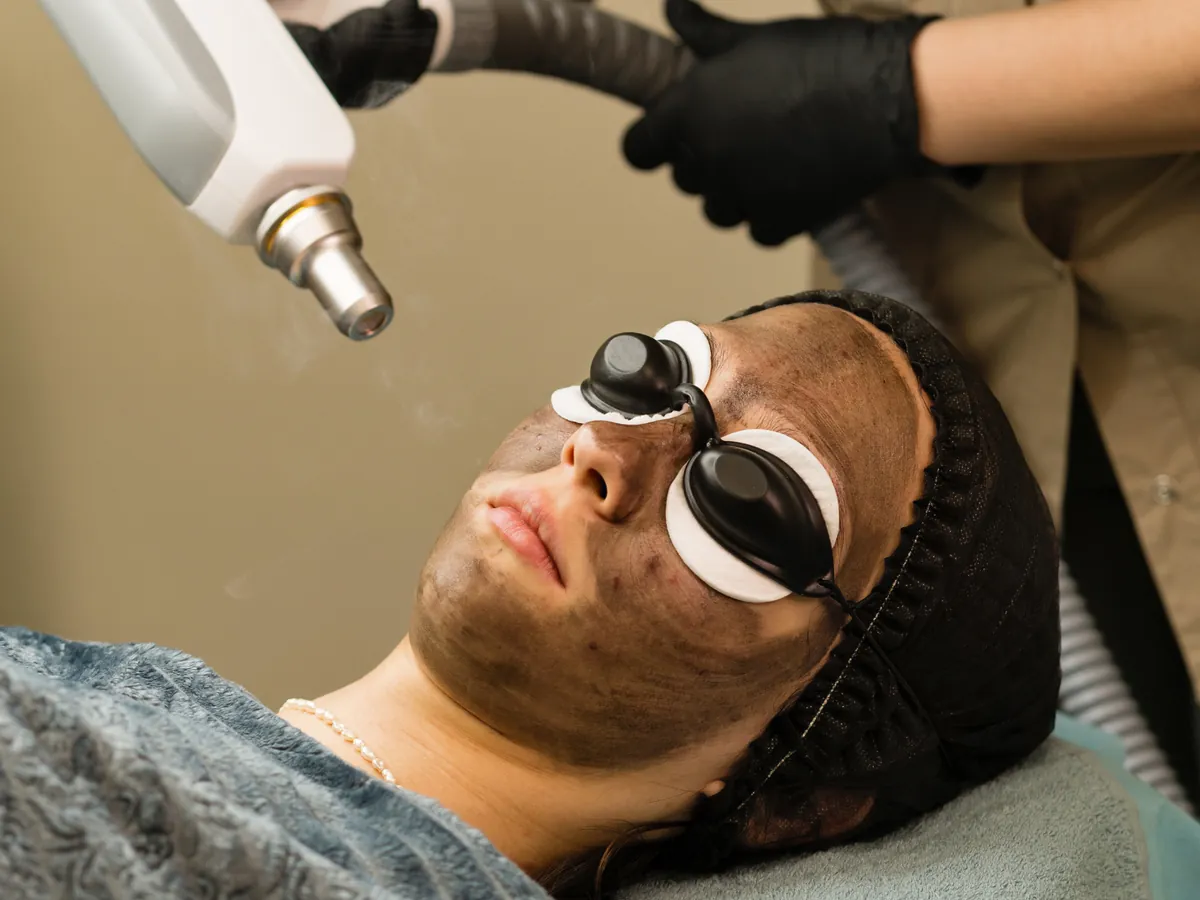
"What's the most natural way to fade my dark spots?" I hear this question almost every week at the clinic. As a Registered Nurse who helps a lot of people with pigment concerns here in Barrie, I want to give you an honest answer: there are gentle, natural-leaning steps that really do help, and there are popular remedies that can make hyperpigmentation worse.
What is hyperpigmentation?
Hyperpigmentation simply means areas of skin that are darker than your natural tone. It happens when something prompts your skin to make extra melanin, the pigment that gives skin its colour. The most common types I see are:
- Sun spots (age spots): flat brown spots on the face, hands and chest from years of sun.
- Post-inflammatory hyperpigmentation (PIH): dark marks left after a pimple, rash, bug bite, cut or burn heals. This is especially common in medium and deeper skin tones.
- Melasma: larger brown or grey-brown patches, often on both cheeks, linked to hormones, sun and heat. Melasma needs its own careful approach, which I cover in my guide on how to treat melasma at home.
One important note: any spot that is new, changing, raised, bleeding, itchy or irregular in shape should be checked by your doctor before you treat it. Fading a spot is a cosmetic goal; ruling out a skin cancer comes first.
Step 1: Find and stop the cause
This is the most "natural" step of all, and it's often skipped. The American Academy of Dermatology (AAD) explains that getting rid of hyperpigmentation begins with finding out why it is happening. If you can remove the trigger, many spots fade on their own and new ones stop appearing.
Common triggers include:
- Acne or another skin condition. Treating the breakouts is the first step to treating the marks they leave.
- Picking and squeezing. Every time a spot is picked, the skin becomes inflamed again and the mark can darken.
- Irritating products. Harsh scrubs, strong fragrances or a product that stings can trigger more pigment.
- Some medications. Please don't stop a prescription on your own. Ask the doctor who prescribed it whether skin discolouration is a possible side effect.
Step 2: Protect your skin from light every single day
If I could only give you one tip, it would be this. Sun exposure tells your skin to make more pigment, so without daily protection, even the best cream will struggle.
The AAD recommends a tinted sunscreen with iron oxide for dark spots, because iron oxide helps protect against visible light as well as UV. Look for:
- SPF 30 or higher, broad-spectrum
- A tint that blends with your skin tone
- Iron oxide in the inactive ingredients list
Apply it every morning to all exposed skin, reapply every two hours when you're outside, and add a wide-brimmed hat. And yes, this matters in Barrie in November too. Snow reflects UV, and UVA passes through car windows on your drive down the 400. I explain how to choose a good formula in my post on the best sunscreen for melasma, and the same tips apply to most types of dark spots.
Step 3: A gentle routine that calms the skin
Irritated skin makes more pigment, so a calm, simple routine is a natural way to support fading:
- A mild, fragrance-free cleanser with lukewarm water.
- A moisturiser every day, especially during our dry Ontario winters when indoor heating pulls water out of the skin.
- One brightening product at a time (see below), so you can tell what's working and what's irritating you.
- Hands off. No picking, scrubbing or rubbing at dark marks.
Step 4: Ingredients that may help fade dark spots
Once the cause is under control and you're protecting your skin, a brightening product tends to work better. The AAD lists several ingredients you can find without a prescription that can help fade dark spots:
- Azelaic acid
- Glycolic acid
- Kojic acid
- Retinoids (such as retinol or adapalene)
- Vitamin C
You'll also see plant-derived ingredients like licorice root extract in many brightening products. They can be a gentle option for some people, but the research behind them is generally more limited than for the ingredients above.
My tips: start with two or three nights a week, give each product at least two to three months, and introduce retinoids and acids slowly so they don't irritate your skin. If you'd like a simple, medical-grade routine, you can browse the products we use at the clinic in our online shop, or I can suggest a routine at your consultation.
Natural remedies I'd skip
"Natural" doesn't always mean gentle. Some remedies I'd avoid:
- Lemon juice, lime juice and apple cider vinegar. They are acidic and can irritate or burn the skin, and some citrus juices can react with sunlight. Irritation can lead to more pigment.
- Baking soda, toothpaste and DIY "peels." These can damage your skin barrier.
- Undiluted essential oils. They can cause irritation and allergic reactions.
- Unknown imported "whitening" creams. The AAD warns that some imported products have been found to contain steroids or mercury that weren't on the label. Buy from a trusted source, and never put bleach on your skin.
How long does it take?
This is where patience matters. According to the AAD, once the cause is stopped, a spot that is a few shades darker than your skin usually fades within 6 to 12 months. Pigment that sits deeper in the skin, often slate blue to grey, can take years. There's no overnight fix.
When home care isn't enough
For many people, the steps above make a real difference. For stubborn spots, an in-clinic plan may help alongside your home routine. At Simcoe Cosmetic Clinic, I always assess your skin type and the kind of pigment first, because the wrong heat or light treatment can make some pigment, especially melasma and PIH in deeper skin tones, darker.
Options we might discuss include:
- Dark spot removal in Barrie, tailored to your type of pigment
- A Hollywood Peel for brightness and tone
- IPL photofacial for sun spots in suitable skin types
- Microneedling for texture and marks, which I compare in my post on acne scar treatment in Barrie
Frequently asked questions
What is the most natural way to fade hyperpigmentation? Stopping the cause (like picking or untreated acne), wearing a tinted, broad-spectrum SPF 30+ sunscreen every day, and keeping your skin calm with a gentle routine.
Do home remedies for dark spots on the face work? Most kitchen remedies like lemon juice or apple cider vinegar aren't proven and can irritate your skin, which may make spots darker. Evidence-based ingredients such as azelaic acid, vitamin C or a retinoid are a safer choice.
How long does it take for hyperpigmentation to fade naturally? The AAD notes that once the cause is stopped, mild spots usually fade within 6 to 12 months. Deeper pigment can take much longer.
Can hyperpigmentation be removed permanently? Dark spots can often be faded significantly, but new ones can form with sun, irritation or hormones. Daily sun protection helps keep your results.
Where can I get dark spot treatment near me in Barrie? At Simcoe Cosmetic Clinic in downtown Barrie, I assess your pigment and build a cautious, realistic plan. Clients also come from Innisfil, Midhurst and Orillia.
Let's look at your skin together
You don't have to guess your way through dark spots. Book a free consultation at Simcoe Cosmetic Clinic, 129 Dunlop St E in downtown Barrie, or call 705-481-1091. We'll look at what's causing your pigment and put together an honest plan, with no pressure.
Individual results vary.
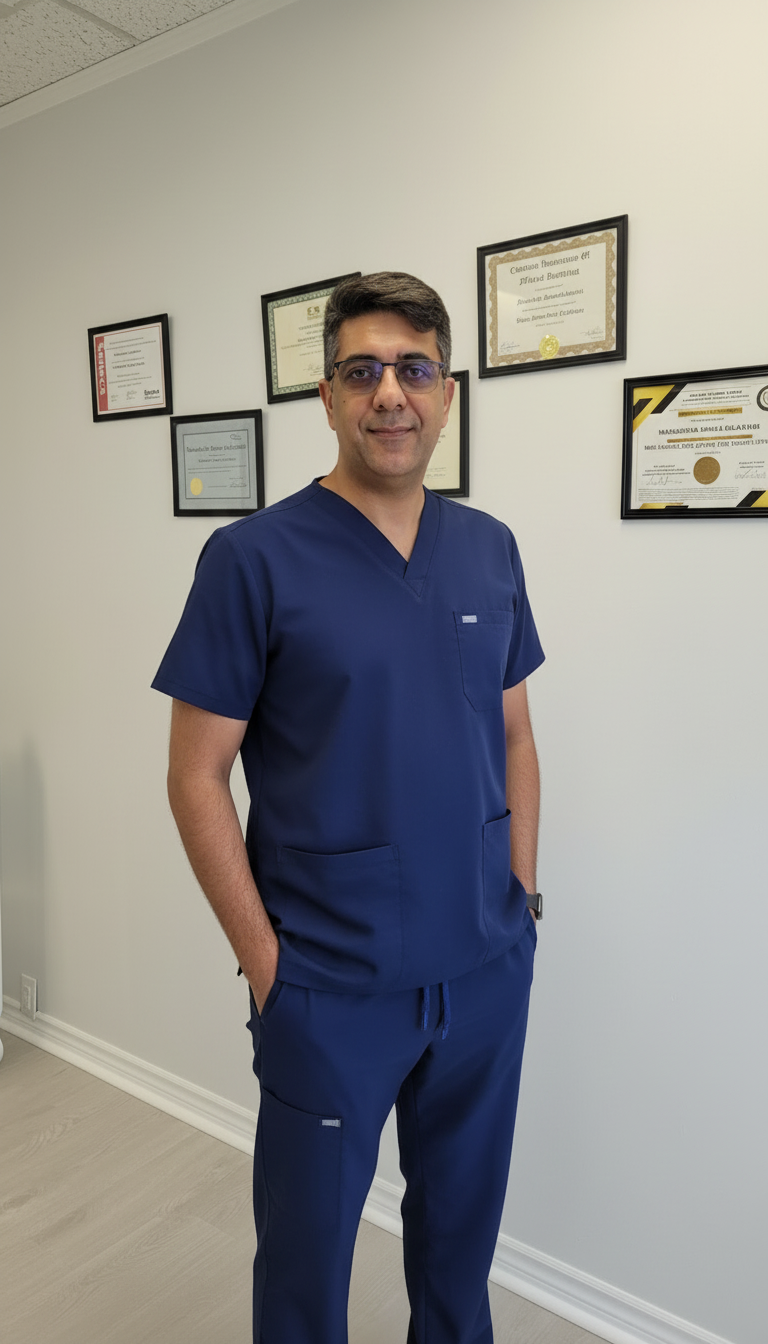
About the author
Manochehr Samya Kalantari, RN
Founder of Simcoe Cosmetic Clinic and a Registered Nurse with more than 30 years in health care, including ICU, ER and IV nursing.
Read moreHave questions about your treatment options?
Book a free consultation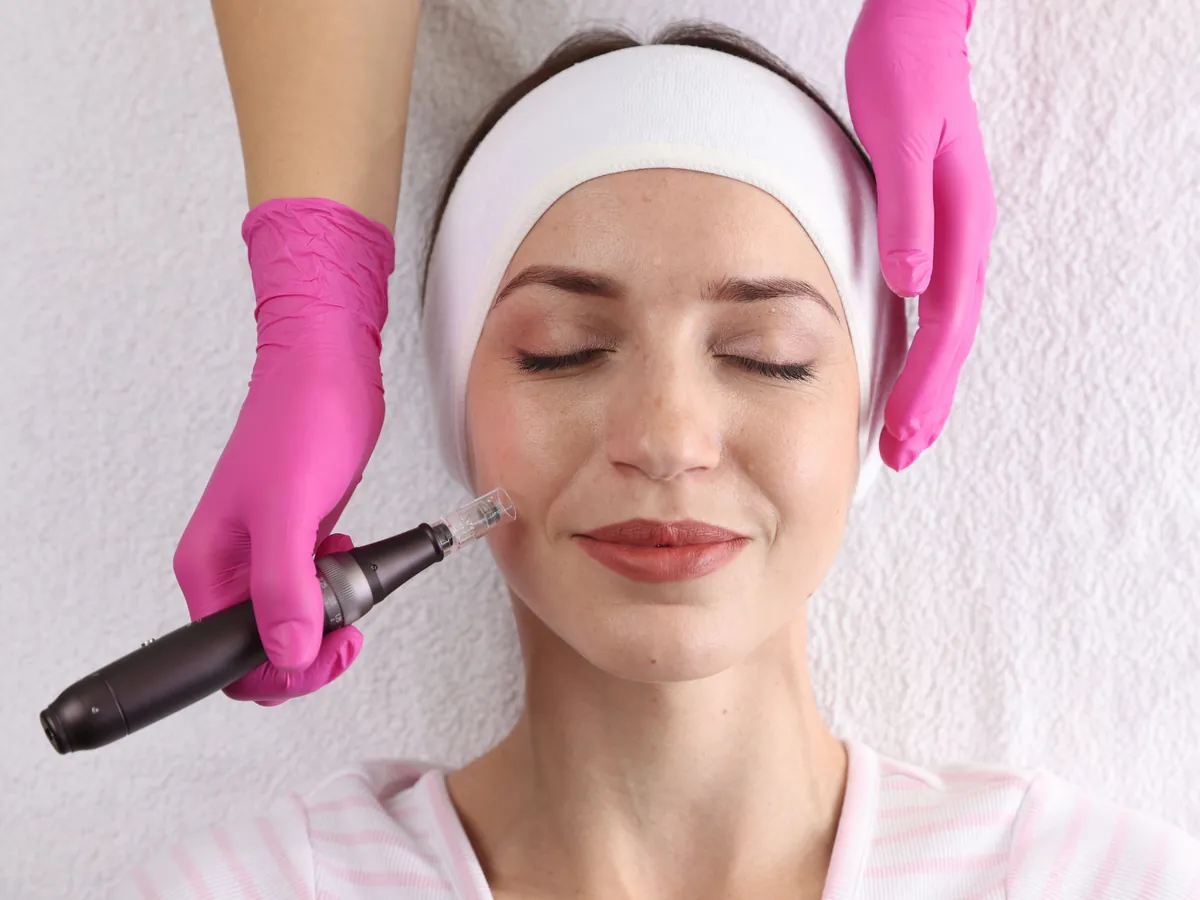

Ready when you are.
Start with a consultation. Leave with a plan that's yours.