
Hair
Winter Hair Shedding in Barrie: What's Normal and When to Get Checked
Manochehr Samya Kalantari, RN · November 28, 2026 · 4 min read
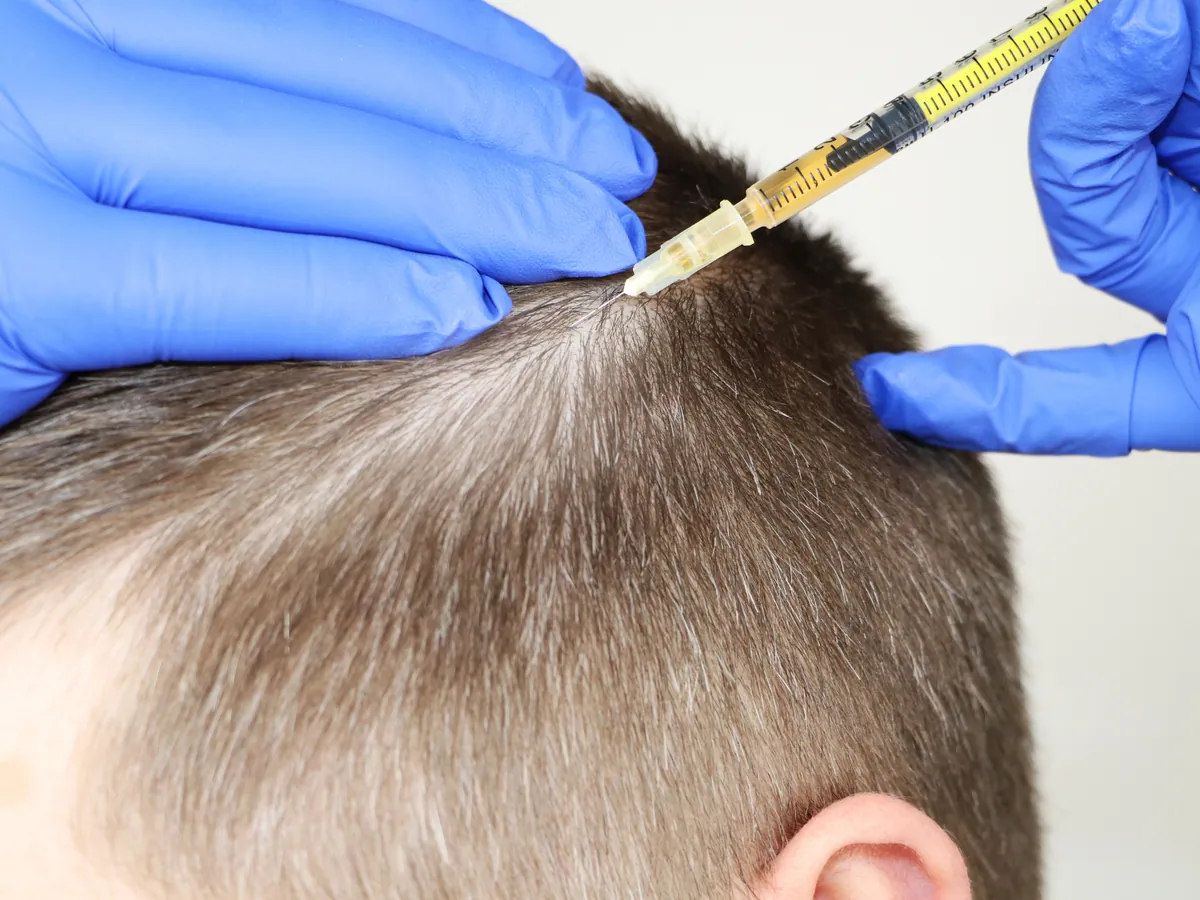
"Is it normal that I'm finding this much hair in my brush?" I hear this every November and December here in Barrie. As a Registered Nurse who sees hair concerns at the clinic every week, I want to give you a calm, honest answer: some shedding is completely normal, but there are signs that mean it's worth looking deeper.
Is it normal to shed more in winter?
Yes, for many people. Hair grows in cycles, and at any moment a share of your hairs is in a resting phase before they fall out and new ones grow in. Most adults lose roughly 50 to 100 hairs a day, and that can feel like more when your hair is long or you've just brushed it.
Some people notice a seasonal increase in shedding in the fall and early winter. It is usually temporary, and it often settles on its own over a few months.
Shedding vs. thinning: how to tell the difference
These two look similar but are not the same thing.
- Shedding: more hairs falling out all over the scalp, but your overall density looks about the same. Often follows a trigger and improves with time.
- Thinning: a wider part, a smaller ponytail, a receding hairline or visible scalp at the crown. This tends to be gradual and does not simply reverse by itself.
A simple check: take a photo of your part line in the same light once a month. Comparing photos is far more reliable than judging by what's on your pillow.
Common triggers I ask about
When someone tells me their hair is falling out more than usual, I like to look at the whole picture first:
- A stressful event or illness in the past 2 to 3 months (including a bad flu or surgery).
- Low iron, vitamin D or thyroid problems. These are common and easy to check with a blood test from your doctor.
- Hormone changes, such as after having a baby or during menopause.
- Crash diets or not eating enough protein.
- Tight hairstyles, harsh heat styling or strong chemical treatments.
- Family pattern hair loss, which is the most common cause of gradual thinning.
Please don't start supplements on a guess. If you suspect a low level, ask your doctor for bloodwork first.
Simple winter scalp care that helps
None of these will regrow hair, but they keep your scalp comfortable and your hair from breaking:
- Wash gently with a mild shampoo and lukewarm water. Very hot showers dry out the scalp.
- Don't over-wash or under-wash. Most people do well washing 2 to 3 times a week, adjusted to their scalp.
- Pat dry instead of rubbing with a towel, and let hair air-dry when you can.
- Go easy on heat tools and tight ponytails, especially when hair is wet.
- Eat enough protein and keep up your iron-rich foods.
- Protect your scalp from dry indoor heat. A humidifier at night can help.
When it's time to get checked
See your doctor if you notice any of these:
- Hair coming out in clumps or patches
- A painful, itchy, red or scaly scalp
- Shedding that lasts longer than about 3 to 6 months
- Sudden thinning along with fatigue, weight change or other symptoms
These can point to something that needs a medical answer, not a cosmetic one.
My approach: slow the loss first, then support regrowth
When someone comes to me worried about their hair, I think about it in two steps.
Step 1: reduce the hair fall. This comes first. We look for the cause (your doctor can check iron, vitamin D and thyroid), treat a dry or irritated scalp, and fix the habits that break hair. If a stressful event or illness set off the shedding, it often settles by itself over a few months.
Step 2: support regrowth. Once the loss is slowing, we can talk about ways to encourage the hair you still have to grow stronger. This is where clinic options come in.
Why this order? If you are losing hair as fast as it is growing, adding more growth doesn't change how your hair looks. Slowing the loss first gives any regrowth a real chance to show. With gradual pattern thinning the two steps often overlap, so you don't have to wait months before asking about options.
Where clinic options fit in
If your bloodwork is normal and you have gradual thinning, there are non-surgical options to discuss. At Simcoe Cosmetic Clinic, I offer PRP (platelet-rich plasma) for hair, which uses a small sample of your own blood, and mesotherapy-style scalp treatments. Neither is a magic fix. Results vary from person to person, they usually need a series of visits, and they work best for thinning that is still early rather than for areas that are completely bald.

If you're curious how the two compare, read my guide on PRP vs. mesotherapy for hair loss. You can also see more about PRP hair restoration in Barrie.

The bottom line
Seasonal shedding is common and usually temporary. Gradual thinning, patchy loss or shedding that won't stop deserves a proper look, starting with your doctor. If you'd like to talk through your options, a consultation is a no-pressure way to get honest answers about what is realistic for your hair.
This article is for general education and is not medical advice. Please see your doctor about any new or worrying scalp or hair changes. Results vary.
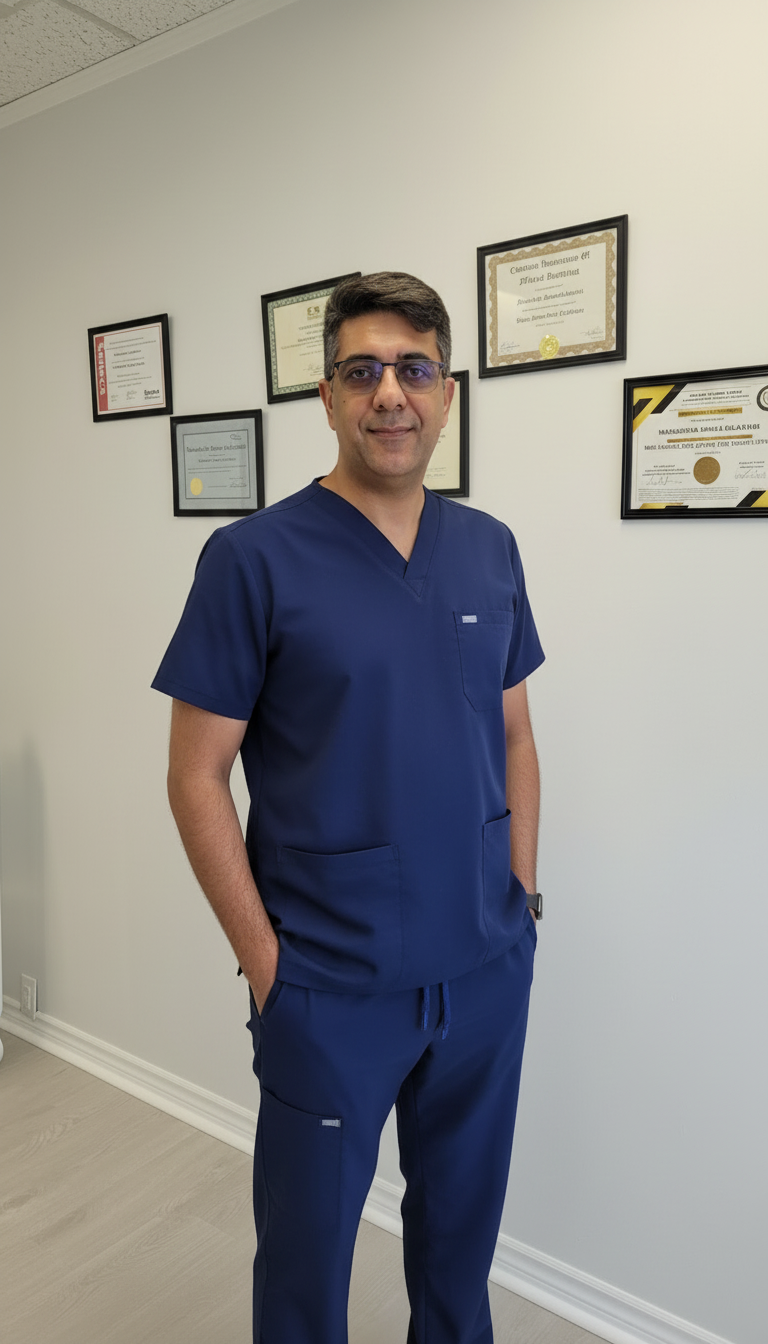
Manochehr Samya Kalantari, RN Simcoe Cosmetic Clinic, 129 Dunlop St E, Barrie
About the author
Manochehr Samya Kalantari, RN
Founder of Simcoe Cosmetic Clinic and a Registered Nurse with more than 30 years in health care, including ICU, ER and IV nursing.
Read moreHave questions about your treatment options?
Book a free consultation

Ready when you are.
Start with a consultation. Leave with a plan that's yours.