
Skin
How to Treat Melasma at Home: What Helps and What to Skip
Manochehr Samya Kalantari, RN · November 14, 2026 · 7 min read
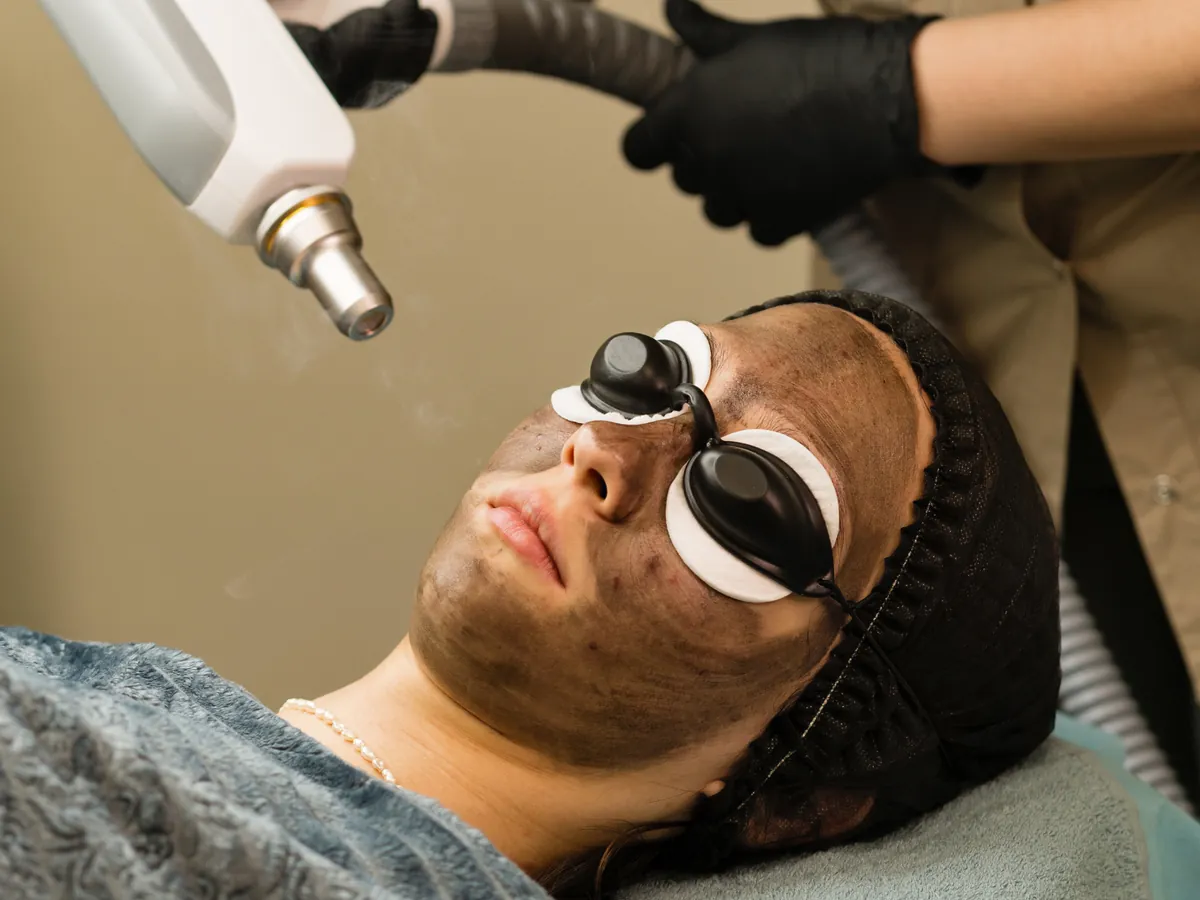
"Is there anything I can do for my melasma at home?" is one of the questions I hear most often at the clinic, usually from someone who has already tried lemon juice, a viral face mask or three different creams from the drugstore. As a Registered Nurse who sees a lot of pigment concerns here in Barrie, my honest answer is yes: there is a lot you can do at home. But the things that actually help are less exciting than the remedies you see online, and a few popular ones can make melasma worse.
In this guide I'll walk you through what I recommend for treating melasma at home, what I'd skip, and how to know when it's time for extra help.
First, make sure it really is melasma
Melasma usually appears as brown or grey-brown patches on both sides of the face, most often the cheeks, forehead, upper lip, nose and chin. It's linked to hormones (pregnancy and some birth control pills are common triggers), genetics, sunlight, visible light and heat.
Not every dark patch is melasma. Sun spots, marks left behind after acne, and some other skin conditions can look similar but are handled differently. And any spot that is new, changing, raised, bleeding or irregular should be checked by your doctor before you try any treatment, at home or in a clinic.
The honest truth: there is no overnight fix
The American Academy of Dermatology explains that there is no single best treatment for melasma, and that when people follow a treatment plan it usually takes 3 to 12 months to see results. It can sometimes fade on its own when the trigger goes away, for example after pregnancy or after stopping a medication.
I share this because melasma is a long game. The goal of home care is to calm the pigment cells down, stop new darkening and help patches fade gradually, not to scrub them away in a weekend.
Step 1: Daily sun and light protection (the non-negotiable)
If you only do one thing, make it this. Sunlight tells your skin to make more pigment, and research suggests visible light can darken melasma too, especially in medium and deeper skin tones.
What I recommend:
- A broad-spectrum, tinted sunscreen, SPF 30 or higher, with iron oxides, every morning, all year.
- Reapply at least every two hours when you're outside.
- A wide-brimmed hat and shade whenever you can.
Yes, even in a Barrie winter. Snow reflects a lot of UV, and UVA passes through car and office windows. I explain how to choose one in my guide to the best sunscreen for melasma.
Looking for a tinted, medical-grade sunscreen? You can see the AlumierMD sunscreens we use at the clinic in our online AlumierMD store. Orders ship to your door and are linked to our clinic, so I can help if you have questions.
Step 2: Gentle, consistent skin care
Irritation can trigger more pigment, so a calm skin barrier matters. A simple routine usually works better than a complicated one:
- Mild, fragrance-free cleanser, used with lukewarm (not hot) water.
- A pigment-targeting product (see below), introduced one at a time.
- Moisturiser, especially through our dry Ontario winters when indoor heating pulls water from the skin.
- Tinted sunscreen every morning.
Avoid harsh scrubs, picking and over-exfoliating. Scrubbing harder does not remove melasma; it often makes the skin angrier and the patches darker.
Step 3: Ingredients that may help
Several skin care ingredients are used to help even out pigment. The AAD lists gentler options such as azelaic acid, kojic acid and vitamin C among the treatments dermatologists may use for melasma. Other ingredients you'll often see in brightening products include niacinamide and topical tranexamic acid.
A few tips from my side:
- Start low and slow. Add one new product at a time, two or three nights a week at first, and watch for stinging or redness.
- Give it time. Plan on at least two to three months of steady use before judging a product.
- Stronger creams belong with your doctor. Prescription options such as hydroquinone, tretinoin or a combination cream can be very helpful, but they need medical guidance. Talk to your family doctor or a dermatologist rather than ordering something strong online.
A simple place to start is a vitamin C serum, such as the AlumierMD EverActive C&E + Peptide we carry at the clinic. You can also see our other vitamin C products and tinted sunscreen in our online store. If you're not sure which product is right for you, I'm happy to look at your skin and suggest a simple routine at your consultation.
Home remedies I'd skip
I understand the appeal of natural remedies, and searches like "home remedy for melasma on face" are very common. But some popular DIY ideas can do more harm than good:
- Lemon juice, lime juice and apple cider vinegar. These are acidic and can irritate or even burn the skin, and some citrus juices can react with sunlight. Irritation is exactly what melasma doesn't need.
- Toothpaste, baking soda and harsh home "peels." These can disrupt your skin barrier and trigger more pigment.
- Undiluted essential oils. They can cause irritation and allergic reactions.
- Hot treatments. Steam, saunas and hot yoga can be heat triggers for some people with melasma.
Gentle, well-tolerated products and strict sun protection are almost always a better use of your time and money.
Can you treat melasma "from the inside"?
Many people ask about supplements. Some have been studied for melasma, but the evidence is still limited, and supplements can interact with medications. Prescription oral tranexamic acid is sometimes used for stubborn melasma, but it isn't right for everyone, for example people with a history of blood clots, so that's a conversation for your doctor. Please check with your doctor or pharmacist before starting any supplement for your skin.
What does help from the inside: managing triggers where you can. If melasma started with a birth control pill, it's worth discussing options with your doctor. Good sleep and stress management won't clear melasma, but stress is listed by the AAD as one possible trigger.
When home care isn't enough
For many people, home care controls melasma well. For others, the patches stay stubborn even with good habits. That's when a careful, in-clinic plan may help. Because strong heat and light can make melasma worse, I take a cautious, step-by-step approach and I will tell you honestly if I think a treatment could aggravate your skin.
Depending on your skin, options we might discuss include:
- Dark spot and pigment treatment in Barrie, planned carefully for melasma-prone skin
- A gentle Hollywood Peel
- Microneedling or a PRP facial, which some people may be suitable for alongside home care
Whatever we choose, your home routine stays the foundation. If you're curious how I plan treatments that look natural and protect your skin, read my post on natural-looking rejuvenation.
Frequently asked questions
What is the best way to treat melasma at home? Daily broad-spectrum tinted sunscreen (SPF 30+ with iron oxides), a gentle routine that avoids irritation, and a well-tolerated brightening ingredient such as azelaic acid, vitamin C or niacinamide, used consistently for several months.
Do home remedies for melasma on the face actually work? Most kitchen remedies like lemon juice or apple cider vinegar aren't proven and can irritate your skin, which may make melasma darker. Sun protection and gentle, evidence-based skin care are a safer choice.
Can melasma be removed permanently? Melasma is usually a long-term condition that can be controlled and lightened but may come back with sun, heat or hormonal triggers. Ongoing sun protection helps keep results.
How long does it take for melasma to fade? The AAD notes that results from a treatment plan usually take 3 to 12 months, and sometimes longer if you've had melasma for many years.
Is there a melasma treatment near me in Barrie? Yes. At Simcoe Cosmetic Clinic in downtown Barrie, I assess your skin and build a cautious plan that combines home care with in-clinic options when appropriate. Clients also come from Innisfil, Midhurst and Orillia.
Let's look at your skin together
You don't have to guess your way through melasma. Book a free consultation at Simcoe Cosmetic Clinic, 129 Dunlop St E in downtown Barrie, or call 705-481-1091. We'll look at your skin, your triggers and your current routine, and put together an honest, realistic plan with no pressure.
Individual results vary.
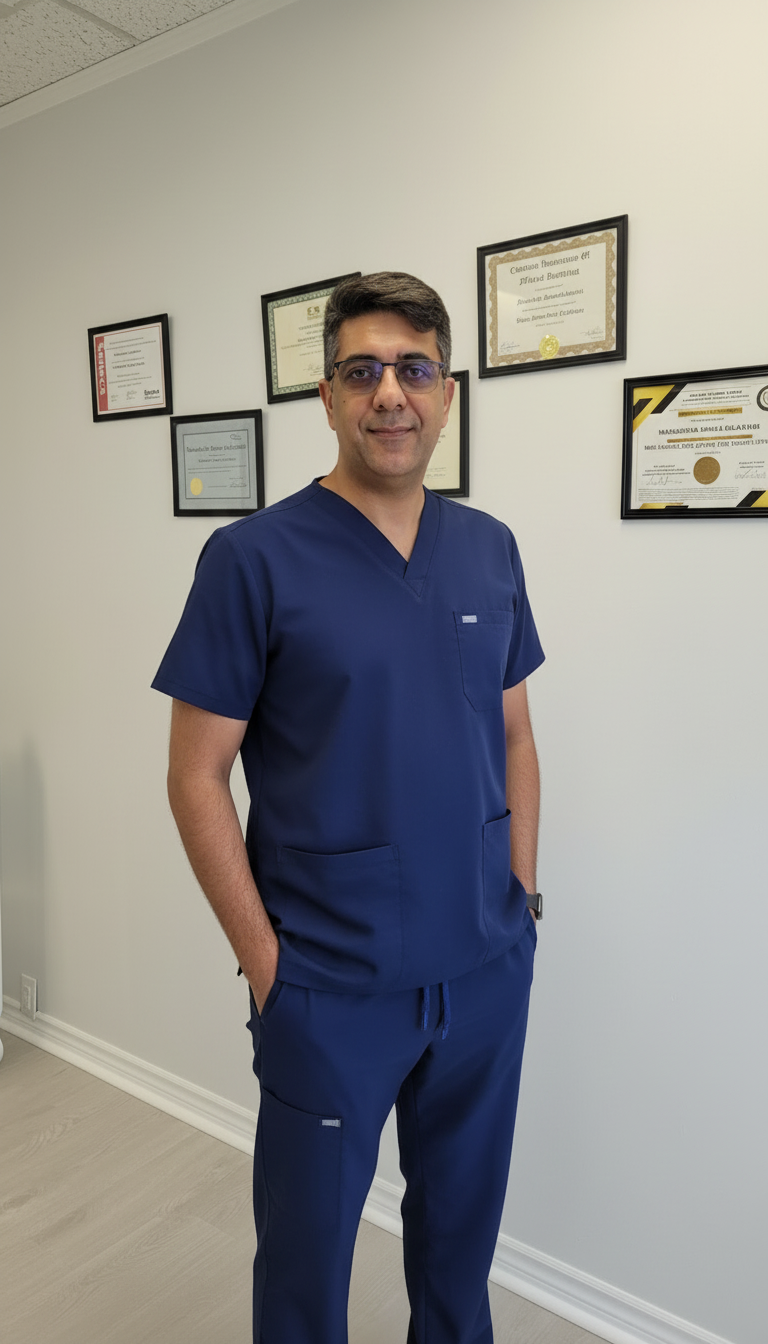
About the author
Manochehr Samya Kalantari, RN
Founder of Simcoe Cosmetic Clinic and a Registered Nurse with more than 30 years in health care, including ICU, ER and IV nursing.
Read moreHave questions about your treatment options?
Book a free consultation

Ready when you are.
Start with a consultation. Leave with a plan that's yours.