Introduction
Spider veins on the legs are more than just a cosmetic concern; they can affect your confidence and comfort. These small, web-like blood vessels often appear in shades of red, blue, or purple and are a common issue for many adults, especially women. Have you ever wondered how to remove spider veins on legs effectively and safely?
While spider veins are generally harmless, their visibility can be frustrating and sometimes embarrassing. They can result from factors such as genetics, aging, prolonged standing, or hormonal changes. Fortunately, advancements in cosmetic treatments offer numerous options to address this issue, making it possible to restore smoother, clearer skin with minimal downtime.
Understanding the best approach to spider vein removal is essential. Are home remedies enough, or do you need professional treatment? How do you choose the most suitable method without risking side effects? At Simcoe Cosmetic Clinic, we specialize in non-surgical cosmetic procedures that help clients rejuvenate their appearance comfortably and naturally.
In this guide, you will discover comprehensive strategies to remove spider veins on legs, from lifestyle adjustments to cutting-edge treatment options. Whether you are looking for quick solutions or long-term results, we will explore safe, effective methods tailored to your needs.
Before diving into specific treatments, it’s helpful to grasp why spider veins develop and how they can be managed proactively. Together, we’ll navigate through proven techniques that prioritize your skin’s health and beauty.
If you’re ready to regain confidence in your legs and understand the full spectrum of treatment possibilities, this article will be your go-to resource. Start your journey to clearer, more youthful skin today by learning the practical steps ahead.
Want to explore how expert cosmetic services can support your goals? Check out our detailed insights on advanced skin and vein treatments available at Simcoe Cosmetic Clinic for personalized care and results you can trust.
TL;DR
Wondering how to remove spider veins on legs effectively? This guide covers safe, non-surgical treatments and practical lifestyle tips to reduce and prevent spider veins. Discover expert strategies to regain clear, youthful-looking legs with minimal downtime and lasting results.
Step 1: Understand What Causes Spider Veins on Legs
Before diving into how to remove spider veins on legs, it’s essential to understand the underlying causes of these visible blood vessels. Spider veins appear as small, red, blue, or purple web-like patterns just beneath the skin’s surface, commonly on the legs. Although primarily a cosmetic concern, they signal that small blood vessels in your skin are weakened or damaged.
What Are Spider Veins?
Spider veins, medically known as telangiectasias, are tiny capillaries and venules that have become enlarged and dilated. Unlike varicose veins, which are larger and bulging, spider veins are smaller and flatter but often occur in clusters resembling spider webs or tree branches. They form close to the skin surface, making them easily visible.
How Do Spider Veins Develop?
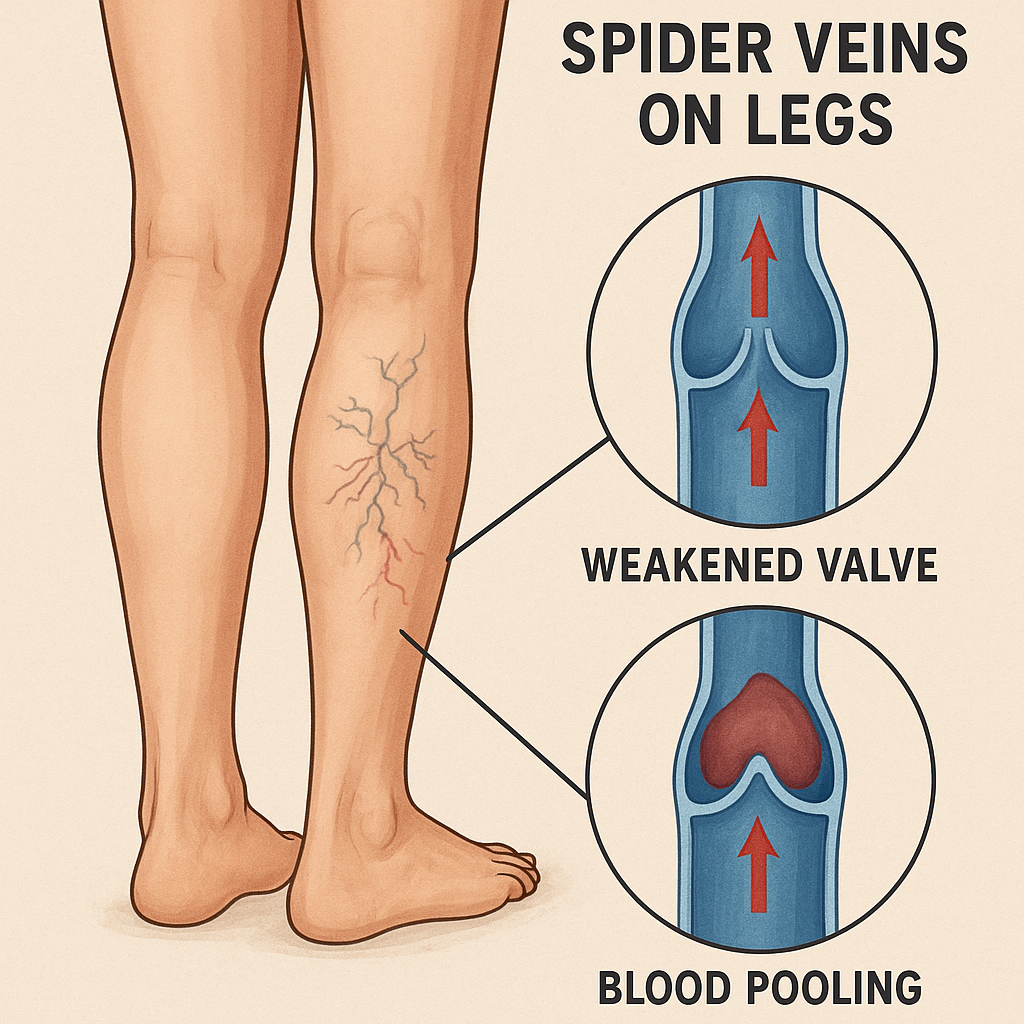
Veins in the legs are responsible for carrying blood back to the heart against the force of gravity. This feat is aided by tiny one-way valves inside the veins preventing blood from flowing backward. When these valves weaken or fail, blood can pool in the veins instead of moving efficiently.
Over time, the increased pressure causes the tiny blood vessels to weaken and expand, leading to spider veins. This mechanism is similar, though less severe, to what causes varicose veins.
Common Causes and Risk Factors
Several factors contribute to the formation of spider veins on legs, and identifying these can help you understand your risk profile:
- Genetics: A family history of spider veins or varicose veins often increases your susceptibility.
- Age: Aging weakens vein walls and valves, making vein dilation more likely. Spider veins are more common after age 50 and affect over half of women by the time they reach 80.1
- Hormonal Changes: Pregnancy, puberty, or menopause can affect vein health due to fluctuating hormone levels that relax vein walls.
- Prolonged Standing or Sitting: Occupations or lifestyles requiring long periods on your feet or sitting can increase pressure in leg veins and contribute to vein damage.
- Obesity: Excess body weight also adds pressure to leg veins.
- Sun Exposure: UV rays can weaken skin and blood vessels, especially leading to spider veins on the face but contributing to leg veins’ fragility as well.
Are Spider Veins Harmful?
Most spider veins are harmless and do not cause symptoms. However, some people may experience mild burning, itching, or discomfort, especially after standing for extended periods. In rare cases, spider veins could indicate underlying venous insufficiency, where larger veins have valve problems that might require medical attention.
It’s wise to consult a healthcare professional if you notice numerous spider veins accompanied by pain, significant swelling, or skin changes.
Why Understanding Causes Matters for Treatment
Knowing what causes spider veins will help you take informed steps, both in treatment and prevention. For example, if prolonged standing worsens your spider veins, incorporating leg elevation or wearing compression stockings may alleviate pressure and reduce new formation.
Understanding the role of weakened valves and blood pooling highlights why treatments like sclerotherapy or laser therapy, which close off damaged vessels, are effective. Meanwhile, lifestyle adjustments based on your risk factors support longer-lasting results.
By grasping the root causes behind spider veins, you’re positioned to make smart decisions about how to remove spider veins on legs safely and effectively. Remember, treatments may improve appearance and comfort, but ongoing care and lifestyle changes are key to preventing new veins.
For an in-depth explanation of spider vein formation and their medical implications, consider reviewing the detailed insights from the Cleveland Clinic’s guide on spider veins. Additionally, the Mayo Clinic outlines how vein valve failure contributes to varicose and spider veins, enhancing understanding of the conditions’ shared mechanisms.
Step 2: Evaluate Home Remedies and Lifestyle Changes
When considering how to remove spider veins on legs, it’s essential to recognize that while treatments like sclerotherapy or laser therapy provide definitive results, home remedies and lifestyle changes play a vital role in managing symptoms and preventing new veins from forming. These approaches support vein health, improve circulation, and can reduce discomfort associated with spider veins.
Compression Stockings: A Foundation for Symptom Relief
Arguably the most effective home remedy for spider veins and related venous issues is wearing medical-grade compression stockings. These special garments apply targeted pressure to your legs, preventing veins from dilating further and helping blood flow back to the heart efficiently. For those who stand or sit for long periods, compression stockings can alleviate aching, throbbing, and itching. Modern designs come in various stylish options, even sheer types that resemble regular hosiery, making compliance easier.
Incorporate Leg Elevation Throughout Your Day
Elevating your legs above heart level is a simple, often overlooked technique proven to reduce venous pressure and swelling. Even brief periods of elevation—while reading or resting—can enhance blood flow and ease the burden on weakened vein valves. For those seeking convenience, leg elevation pillows or adjustable recliners offer practical solutions that fit seamlessly into daily routines.
Stay Physically Active to Boost Circulation
Vein health thrives on movement. Engaging in low-impact cardiovascular exercises such as walking, cycling, or swimming stimulates blood flow in the legs and strengthens calf muscles, which function as natural pumps for venous return. If you have a sedentary lifestyle or a job requiring prolonged sitting or standing, make it a habit to take frequent breaks to stretch or walk. Even simple seated exercises like ankle pumps and calf raises can significantly enhance circulation and relieve vein pressure.
Mind Your Diet: Nutrient Choices That Support Vein Health
What you eat influences your vein condition. A diet abundant in flavonoids, potassium, and fiber supports vascular walls and maintains healthy blood pressure. Foods like citrus fruits, leafy greens, berries, and legumes are excellent choices. Reducing salt intake is equally important because excess sodium promotes water retention, exacerbating leg swelling and vein pressure.
Avoid Bad Habits That Worsen Spider Veins
High heels and tight clothing can significantly restrict blood flow and should be avoided to protect your veins. Opt for comfortable footwear with low heels and wear loose-fitting garments to promote optimal circulation. Additionally, protect your skin and delicate leg veins from sun damage using broad-spectrum sunscreen, which can prevent weakening of vein walls and the skin’s integrity.
While many home remedies improve symptoms and support vein health, it’s critical to recognize their limitations. None can remove spider veins permanently but can complement professional treatments. Understanding when to move beyond lifestyle adjustments and seek medical intervention is key to successful management.
Exploring more about these lifestyle adaptations can empower you to make informed decisions. For expert guidance on improving circulation and managing varicose and spider vein symptoms, consider insights from the Cleveland Clinic’s comprehensive guide on varicose vein remedies. You might also find practical prevention strategies detailed by the Albert Vein Institute’s list of lifestyle changes particularly helpful in your journey to healthier legs.
Step 3: Explore Medical Treatments for Spider Veins
When lifestyle changes and home remedies no longer offer the relief you seek, medical treatments for spider veins can provide a more effective and lasting solution. Understanding how to remove spider veins on legs through professional methods is key to achieving healthier-looking skin and improved leg comfort. At Simcoe Cosmetic Clinic, we recognize the importance of personalized treatment plans that suit your unique condition and aesthetic goals.
Why Consider Medical Treatments?
Spider veins result from weakened vein walls and malfunctioning valves that allow blood to pool and the veins to become visible. While self-care like exercise and compression stockings supports vein health, they cannot eliminate existing spider veins. That’s why medical treatments are vital—they target and close problem veins, improving both appearance and circulation.
Sclerotherapy: The Gold Standard Treatment
Sclerotherapy remains the most popular and effective treatment for spider veins, especially for veins that are small to medium in size. During this minimally invasive procedure, a specialized solution is injected directly into the affected veins. This solution irritates the vein walls, causing them to collapse and eventually be absorbed by the body. The treated veins fade away typically within 3 to 6 weeks, with several sessions often recommended for optimal results.
What makes sclerotherapy highly favored is its safety profile, minimal discomfort, and quick recovery time. Patients usually resume normal activities the day following treatment, wearing compression stockings for 2 to 3 weeks to enhance circulation and reduce swelling. For those seeking answers about managing spider veins effectively, sclerotherapy offers a reliable path to clearer legs according to the American Academy of Dermatology.
Laser Treatments: Non-Invasive and Efficient
If you prefer a non-injection approach, laser therapy is an excellent alternative. Laser treatments use concentrated light to target spider veins beneath the skin surface, causing the veins to scar and close off. Smaller veins often disappear immediately or fade significantly within a few weeks, while larger veins may require multiple sessions.
One of the key benefits of laser therapy is its non-invasive nature, which means no needles or incisions. While some mild discomfort may occur, downtime is minimal, with most patients returning to daily routines quickly. It’s important to protect treated areas from sun exposure for several weeks post-treatment to prevent pigmentation changes as explained by Dr. Edward Mackay.
Advanced Thermal Therapies: EVLT and Radiofrequency Ablation
For larger or deeper varicose veins commonly associated with spider vein clusters, advanced treatments such as Endovenous Laser Therapy (EVLT) and Radiofrequency Ablation (RFA) provide excellent outcomes. These therapies involve inserting a small catheter or fiber into the vein, using heat to collapse and seal it from the inside. Despite sounding intimidating, these procedures are performed with local anesthesia, ensuring a comfortable experience.
Post-treatment, wearing compression stockings and taking daily walks help prevent complications and support healing. Full disappearance of the treated vein can take up to a year, and multiple treatments might be needed. These methods often negate the need for surgical vein removal, representing a modern approach to vein care per dermatology insights.
Choosing the Right Treatment for You
How do you know which medical treatment aligns best with your needs? A thorough examination with vein-specialized professionals like those at Simcoe Cosmetic Clinic is crucial. They can assess the severity, location, and your general health to recommend the most effective, safe option. Sometimes, combining therapies—such as starting with sclerotherapy for smaller veins and using EVLT for larger veins—offers superior results.
Remember, not all spider veins require treatment, but addressing troublesome or cosmetically displeasing veins can boost your confidence and comfort. Be sure to also inquire about insurance coverage and costs, as cosmetic removal treatments are typically not covered, though some medical necessity cases may be eligible.
Practical Tips for Medical Spider Vein Treatment Success
- Wear prescribed compression stockings diligently post-treatment to maximize results and reduce swelling.
- Maintain an active lifestyle with regular walking to aid circulation.
- Protect your legs from sun exposure after treatments to avoid pigmentation issues.
- Be patient: visible improvements may take weeks to months, depending on treatment type and vein size.
- Schedule follow-up sessions as advised to achieve the best outcome.
Considering a professional approach to how to remove spider veins on legs can transform your skin’s appearance and your comfort. At Simcoe Cosmetic Clinic, we provide expert consultations and tailored vein treatments to meet your goals safely and effectively.
| Feature | Treatment Option | Notes |
|---|---|---|
| Most Commonly Recommended | Sclerotherapy | Effective for spider and small varicose veins; quick recovery; requires compression stockings; multiple sessions advised |
| Non-Invasive | Laser Therapy | No needles; treats smaller veins well; possible mild discomfort; sun protection essential post-treatment |
| Best for Larger Veins | Endovenous Laser Therapy (EVLT) / Radiofrequency Ablation (RFA) | Minimally invasive; requires local anesthesia; longer healing period; often replaces surgery |
Ready to explore your options? Contact Simcoe Cosmetic Clinic for a comprehensive consultation. Discover personalized care that focuses on your leg vein health and aesthetics. For related insights on non-surgical rejuvenation and skin treatments tailored to your beauty goals, explore our advanced skin care services and step confidently toward smoother, healthier legs.
Step 4: How to Prepare for Spider Vein Medical Procedures
Preparing for spider vein medical procedures is a crucial step in achieving optimal results and a smooth recovery. Whether you’re considering sclerotherapy, laser treatment, or endovenous laser therapy at Simcoe Cosmetic Clinic, understanding how to prepare will ease your experience and contribute to the success of your treatment.
Consultation and Health Assessment
Before any procedure, your healthcare provider will conduct a thorough assessment. This typically includes reviewing your medical history, current medications, and any underlying conditions such as blood clotting disorders or allergies. Certain medications like aspirin, ibuprofen, or blood thinners might need to be paused before treatment to reduce the risk of bleeding or bruising.
Do you know why this upfront evaluation is important? It helps your provider customize the treatment plan specifically for your vein condition and overall health, reducing complications and increasing effectiveness. Often, an ultrasound exam is performed to map your veins, ensuring precise targeting during the procedure. You can read more about how detailed vein evaluations enhance treatment success at Mayo Clinic’s sclerotherapy overview.
Pre-Procedure Skin & Activity Guidelines
In the days leading up to your spider vein treatment, avoid shaving your legs or applying lotions and creams on the area to be treated. Shaving right before the procedure can irritate the skin, increasing sensitivity, while lotions may interfere with the application of compression garments afterwards.
On the day of the procedure, wear loose, comfortable clothing that allows easy access to the legs and doesn’t restrict circulation after treatment. Uncomfortable or tight clothing can cause unnecessary pressure on treated veins, so opt for breathable fabrics.
Arrange Transportation and Recovery
Some treatments, especially those involving local anesthesia like endovenous laser therapy, might leave you feeling slightly uncomfortable or tired. It’s a wise choice to arrange for someone to drive you home afterward. Although many patients resume regular activities the same day, taking it easy and avoiding strenuous exercise for 1 to 2 weeks helps your legs heal properly.
Post-Procedure Supplies and Planning
Have your compression stockings ready before your procedure—wearing these immediately after treatment is essential to support veins, reduce swelling, and encourage healing. Your clinician will guide you on how long to wear them, usually around two weeks.
What about sun exposure? Protecting your treated skin from sun is vital. Direct sunlight or tanning beds can cause pigmentation changes on healing skin, especially in individuals with darker skin tones. Use a broad-spectrum sunscreen with an SPF of 30 or higher for at least two weeks post-procedure to prevent dark spots.
Finally, plan your schedule around your procedure: you might need to avoid hot baths, long periods of standing, or vigorous exercise temporarily. Walking is encouraged as it promotes healthy circulation and lowers the risk of blood clots, which your provider will emphasize during your preparation instructions.
With detailed preparation and guidance from your Simcoe Cosmetic Clinic team, you can approach spider vein removal confidently and comfortably. For additional expert insights on surgical and non-surgical vein procedures, explore the comprehensive information about endovenous laser varicose vein surgery at Johns Hopkins Medicine.
Are you ready to take the next step? Preparation empowers you to optimize your treatment outcome and puts you on a clear path “how to remove spider veins on legs” effectively. Remember, a little planning goes a long way toward smoother, healthier legs!

Step 5: Post-Treatment Care to Maintain Results
After completing your spider vein removal procedure at Simcoe Cosmetic Clinic, proper post-treatment care is essential to maintain the best possible results and promote healthy healing. How you care for your legs in the days and weeks following treatment can drastically influence the longevity and appearance of your spider vein-free skin.
Wear Compression Stockings Consistently
One of the most important steps to help your blood vessels heal and reduce swelling is wearing compression stockings or support hosiery as prescribed. These specialized stockings provide graduated pressure that aids in preventing blood from pooling back into the veins, supporting your circulation. Depending on the size and number of veins treated, you may be advised to wear compression stockings for anywhere between a few days to several weeks.
While it might feel a bit cumbersome at first, think of compression stockings as a small investment in preserving the smooth results of your treatment. They help to minimize bruising and promote quicker vein collapse and absorption, which aligns perfectly with the goal of how to remove spider veins on legs effectively.
Engage in Regular Walking and Light Activity
Movement plays a surprising but crucial role in your recovery. Gentle walking stimulates circulation in your legs, helping to prevent complications like blood clots while accelerating the healing process. Avoid high-impact or strenuous activities for the initial few days, but don’t be tempted to stay sedentary — even short walks around your home or office can make a difference.
The key is consistency; aim to walk multiple times a day for short durations, gradually increasing as you feel comfortable. This habit not only supports your veins but contributes to your overall well-being during recovery.
Protect Your Skin from Sun Exposure
Following treatment, your skin can be more sensitive and prone to hyperpigmentation, especially if exposed to UV rays. Using a broad-spectrum sunscreen with at least SPF 30 is crucial to avoid dark spots forming over healing veins. Hats and protective clothing can also provide an extra shield when outdoors.
Keeping your skin protected not only aids in healing but also enhances the cosmetic outcome, ensuring that your legs stay radiant and even-toned.
Avoid Hot Baths, Saunas, and Excessive Heat
Heat causes blood vessels to dilate, which can adversely affect your treatment results if applied too soon after your procedure. To maintain optimal outcomes, it’s best to steer clear of hot tubs, saunas, and long hot showers for at least two weeks post-treatment.
Opt for lukewarm water instead, and follow your provider’s specific guidance regarding when you can resume all usual activities. Remember, patience now pays off with smoother, healthier legs later on.
Monitor for Signs of Complications and Follow Up
While minor tenderness, redness, or bruising can be part of normal healing, watch for signs such as increased pain, swelling, skin ulcers, or blotchy pigmentation. If any severe discomfort or unusual symptoms arise, don’t hesitate to contact your healthcare provider promptly.
Regular follow-up visits are important to assess your progress and determine if additional treatments are necessary to optimize your results. At Simcoe Cosmetic Clinic, our team will guide you through these check-ins to ensure you achieve the best outcome possible.
Mastering how to remove spider veins on legs involves not just choosing the right treatment but also committing to diligent post-care. This combination results in smoother legs and lasting confidence. For a detailed medical perspective on post-sclerotherapy care, consider the guidelines provided by the Cleveland Clinic, and practical lifestyle advice from the Better Health Channel.
Step 6: When to Consult a Specialist and What to Expect
Knowing when to seek professional advice is a critical step in your journey on how to remove spider veins on legs. While spider veins are often considered a cosmetic nuisance, they can sometimes signal underlying venous issues that require expert evaluation. But how do you distinguish when at-home care isn’t enough and it’s time to consult a specialist?
Signs It’s Time to See a Specialist
If you notice persistent pain, swelling, or heaviness in your legs that doesn’t improve with rest, it’s important to book an appointment with a vein specialist. Visible, bulging veins, skin discoloration, or the development of sores that won’t heal can also indicate circulatory problems that warrant professional assessment. Additionally, if your spider veins come with frequent leg cramps, itching, or a burning sensation, these may be signs of venous insufficiency requiring treatment beyond topical or lifestyle measures. Pregnancy, family history of venous disorders, or a history of blood clots also increases your risk, making a specialist’s advice invaluable.
What Happens During Your Specialist Consultation
Your initial visit to a vein specialist at Simcoe Cosmetic Clinic or another qualified medspa typically begins with a thorough health evaluation. Expect the specialist to review your medical history and discuss your aesthetic goals as well as any symptoms you’ve observed. They will perform a physical examination of your legs and may use state-of-the-art imaging techniques such as duplex ultrasound to assess blood flow and the condition of your veins. This diagnostic process allows the specialist to identify any underlying venous problems and rule out complications.
Based on the evaluation, your specialist will customize a treatment plan tailored to your unique needs. This may include non-invasive options like compression stockings, lifestyle recommendations such as exercise and leg elevation, or minimally invasive procedures including sclerotherapy or radiofrequency ablation. Throughout treatment, your concerns will be heard, and open communication within the clinic’s team ensures you understand each step of your care.
Setting Expectations: Treatment and Recovery
If you’re wondering what to expect after your consultation, it’s helpful to know that many vein treatments are outpatient and require minimal downtime. You might experience mild bruising or tenderness, but these typically resolve quickly. Your specialist will provide detailed aftercare instructions to optimize healing and results. Follow-up visits help monitor progress and make adjustments if needed, ensuring a smoother, more confident outcome.
Taking the step to consult a vein specialist is a proactive move on how to remove spider veins on legs safely and effectively. For more detailed information about recognizing vein problems and what to expect during a consultation, visit the comprehensive guides provided by the Venus Vein Clinic and learn about the consultation process at Varicose to Perfect.
Conclusion
Understanding how to remove spider veins on legs is an empowering step toward healthier, more attractive skin. While spider veins are a common cosmetic concern, addressing them early with professional guidance can dramatically improve both appearance and confidence. From lifestyle changes such as regular exercise and leg elevation to advanced treatments available at Simcoe Cosmetic Clinic, there are numerous pathways tailored to your unique needs.
Remember, spider vein removal is not a one-size-fits-all scenario. It’s essential to consult experienced specialists who perform thorough evaluations and customize treatment plans. This approach ensures not only aesthetic enhancement but also the overall health of your veins, minimizing risks of complications.
What’s next after deciding to take action? Consistency in following prescribed aftercare and maintaining vein-friendly habits can significantly extend the benefits of your treatment. Minimally invasive procedures today offer quick recovery times, making it easier than ever to regain smooth, youthful leg skin without downtime disrupting your daily life.
Are spider veins holding you back from wearing your favorite outfits or feeling confident? Taking that first step and trusting skilled professionals can lead to lasting results. If you’re ready to explore ethical, effective options on how to remove spider veins on legs, consider booking a consultation with Simcoe Cosmetic Clinic—where expert care and personalized solutions meet for your skin’s best outcome.
FAQ: Common Questions About Removing Spider Veins on Legs
When considering how to remove spider veins on legs, it’s natural to have many questions. Understanding your options, treatment processes, and expected outcomes can empower you to make the best decisions for your vascular health and cosmetic goals. Here are some of the most frequently asked questions by patients seeking effective and lasting solutions.
Q1: What are the most effective treatments for spider vein removal?
Several advanced treatment options are available to reduce or eliminate spider veins. Sclerotherapy, which involves injecting a solution into the veins causing them to collapse and fade, remains highly effective. Laser therapy is another popular approach, using focused light to destroy veins without needles. At Simcoe Cosmetic Clinic, treatments are personalized based on vein size, location, and your individual health, ensuring optimal results with minimal downtime.
Q2: Are spider vein removal treatments painful?
Most patients describe discomfort during procedures as mild and brief. For instance, sclerotherapy injections may feel like tiny pinpricks, while laser treatments cause a warm sensation on the skin. Skilled practitioners at a medspa like Simcoe Cosmetic Clinic prioritize patient comfort and often use numbing techniques or cooling devices to minimize pain. After treatment, you might experience slight redness or tenderness, which typically resolves quickly.
Q3: How many sessions are usually needed to see results?
Spider vein removal often requires multiple sessions to achieve the best outcome. Many patients notice visible improvement after their first treatment, but depending on the extent and severity of veins, 2 to 4 sessions spaced several weeks apart may be recommended. During your consultation, experts assess your condition and craft a customized plan that balances results with your lifestyle needs.
Q4: What is the recovery process like after treatment?
One of the benefits of modern vein treatments is the rapid recovery time. Most individuals can resume normal activities immediately, though wearing compression stockings for a few days can enhance healing and treatment results. Avoiding prolonged standing or strenuous exercise briefly post-treatment supports vein health. Consistent leg elevation and staying hydrated also contribute to a smoother recovery.
Q5: Can lifestyle changes prevent spider veins from returning?
Absolutely. Implementing vein-friendly habits significantly aids in maintaining treatment results. Regular exercise, weight management, avoiding long periods of sitting or standing, and elevating your legs when resting all promote healthy circulation. Wearing compression garments during activities prone to venous strain, such as long flights, can also help prevent new spider veins from forming.
Q6: Are spider veins a sign of serious health issues?
In most cases, spider veins are a cosmetic concern rather than a medical emergency. However, if you experience pain, swelling, or skin changes along with visible veins, it’s important to seek evaluation for underlying venous insufficiency or other conditions. Trusting skilled specialists ensures both safe treatment and detection of any potential complications early.
Q7: How do I choose the right clinic for spider vein removal?
Choosing a reputable medspa like Simcoe Cosmetic Clinic, which combines expert medical evaluation with personalized treatment plans, is key to successful outcomes. Look for clinics with licensed professionals who use the latest technology and follow evidence-based protocols. Don’t hesitate to ask about their experience, patient testimonials, and before-and-after photos during your consultation.
Curious about which method suits you best or need tailored advice? Booking a consultation with our specialists at Simcoe Cosmetic Clinic is the perfect next step toward smoother, vein-free legs and renewed confidence.