You can clear stubborn warts in Barrie without endless home tricks.
Most people try over‑the‑counter creams, duct tape, or prayer and end up with a rough patch that still shows. It’s frustrating to hide a bump on your hand or face when you just want smooth skin.
This guide will walk you through what really works for wart removal Barrie – from safe at‑home steps you can start today to professional options you might consider at a local medspa.
You’ll learn how to spot the type of wart you have, what simple habits can speed up healing, and which treatments give fast, lasting results without harsh surgery.
By the end you’ll have a clear plan you can follow right now, so you can stop worrying about warts and start feeling confident in your skin again.
Understanding Wart Types and Causes
Warts aren’t one‑size‑fits‑all. They look different, feel different, and need different care.
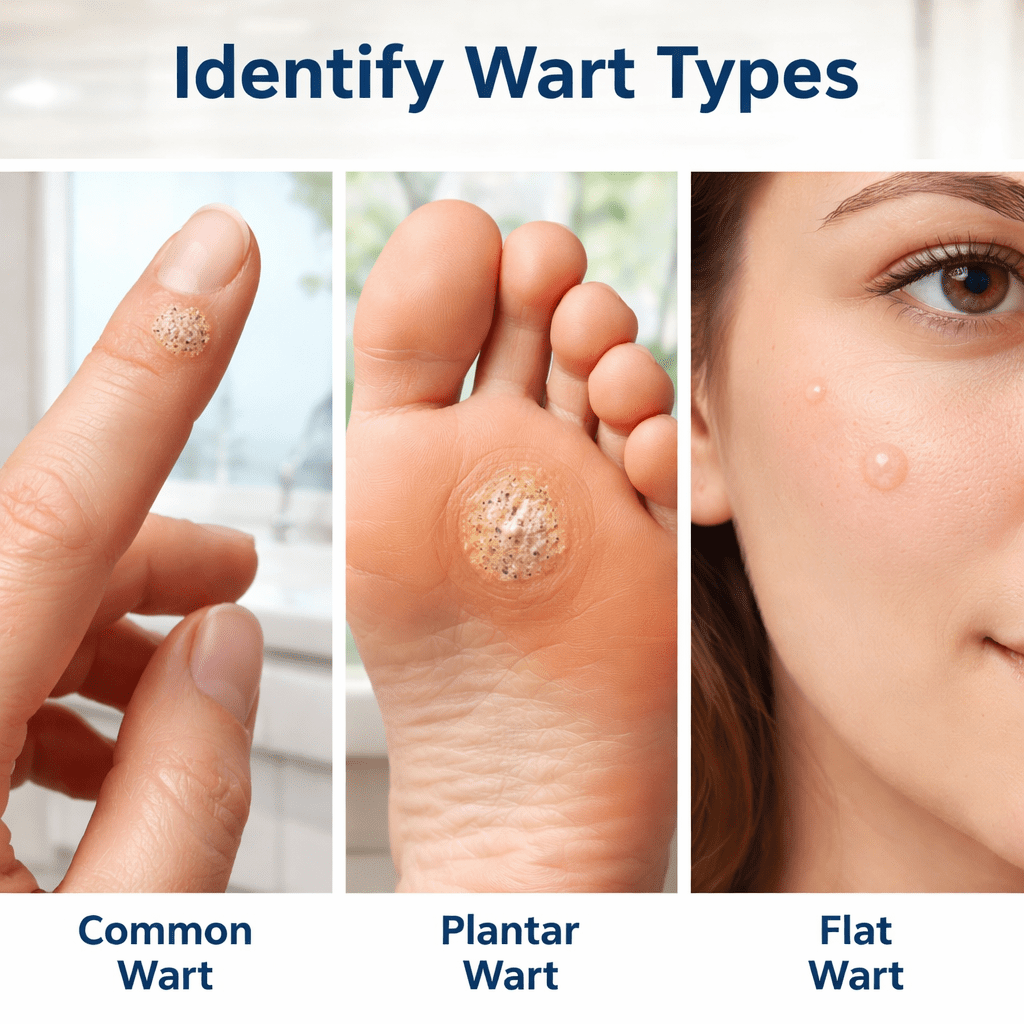
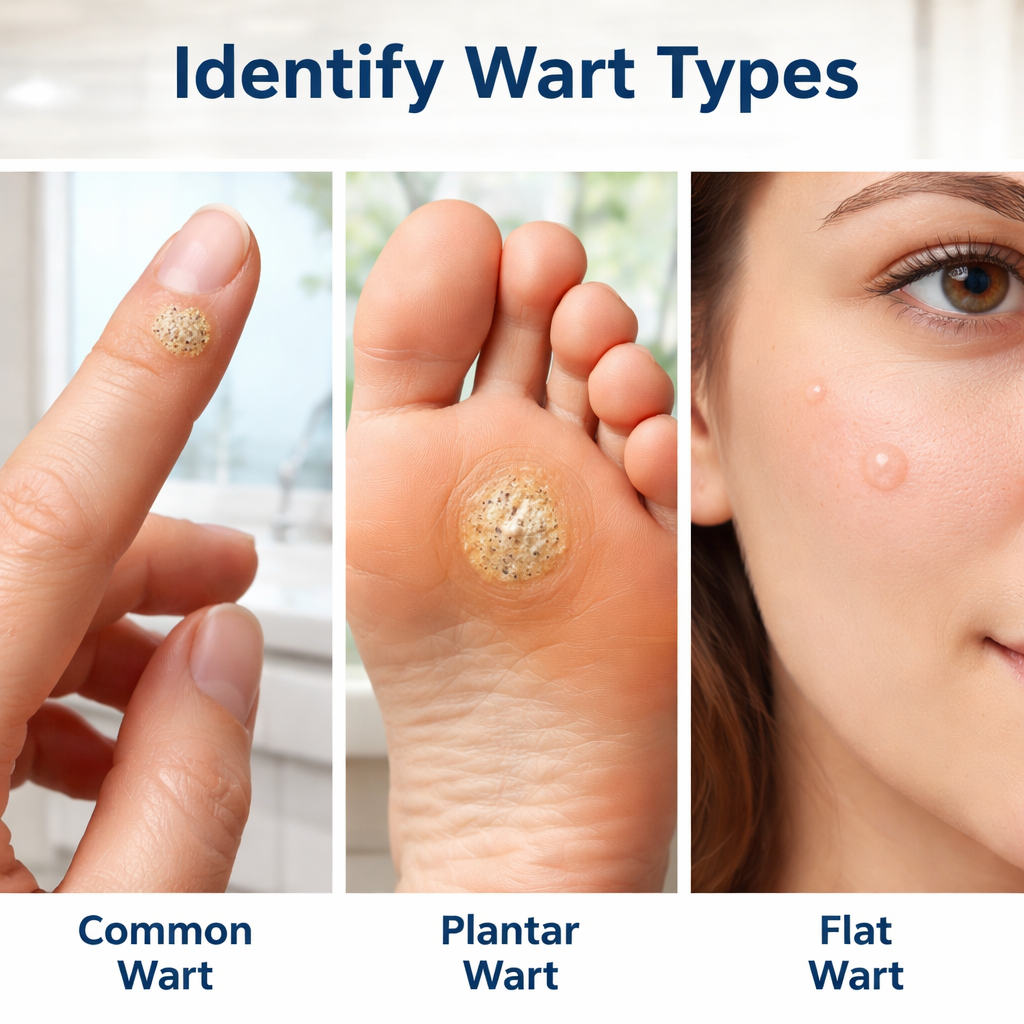
Common warts usually pop up on the backs of hands or fingers. They’re rough, raised, and may have tiny black dots, those are just tiny blood clots. WebMD notes that these grow where the skin was broken, like from nail‑biting.
Plantar warts love the soles of your feet. The pressure from walking makes them sink deeper, so they feel like a hard pebble under your shoe. They can look like calluses, but the black dots give them away.
Flat warts are smooth and tiny, often showing up on the face, neck, or legs. They spread fast and can form a patch that looks like a light sandpaper.
Filiform warts are the odd ones, thin, finger‑like growths that love the eyelid, lip, or neck area. They’re easy to spot because they look like tiny threads.
Why do they appear?
The culprit is the human papillomavirus, or HPV. The virus makes skin cells grow extra fast, creating that hard bump. Not everyone who touches HPV gets a wart; your immune system decides if it can fight it off.
Damage to skin, a cut, a hangnail, or even a harsh scrub, gives the virus a doorway. That’s why people with eczema, frequent nail‑biters, or those who share towels are more at risk.
Kids get warts more often because their immunity is still learning. Adults with weakened immunity, from conditions like HIV or certain meds, can also see stubborn warts.
Warts spread by direct skin contact. Touch a wart, then touch another spot, and the virus can move. Towels, razors, or gym equipment can pass it along too.
So, what should you watch for? Look for rough bumps that stay for weeks, especially after a skin injury. If a spot feels hard, has black dots, or won’t fade, it’s worth a check.
Knowing the type helps you pick the right removal method later, whether that’s a salicylic acid pad, cryotherapy at a clinic, or a laser session at Simcoe cosmetic clinic.
Effective Over-the-Counter Treatments for Wart Removal in Barrie
When you spot a wart, the first thing you want is a simple fix you can do at home. Luckily, there are a few OTC options that actually work, and they’re easy to find in Barrie.
Salicylic Acid Pads & Gels
Salicylic acid is the gold standard for DIY wart removal. It softens the thick skin layer and slowly peels it away. Look for a product that’s 17 % or higher for stubborn spots. Apply a fresh pad or a thin coat of gel each night after you clean the area, then cover with a bandage. Over a few weeks the wart should shrink and fall off.
Target’s salicylic‑acid wart removers carry several options that fit this description. You can grab one online or in the store and start the routine right away.
Cryotherapy Kits
These kits use a small can of liquid nitrogen to freeze the wart. The freeze‑thaw cycle creates a blister that lifts the wart off the skin. Follow the kit’s timing instructions carefully, usually a quick 10‑second spray, then a short wait before covering. Most people see results after one or two treatments.
For best results, keep the treated spot clean and avoid picking at the blister. Let it fall off naturally.
Other OTC Options
There are also wart‑removing ointments that combine salicylic acid with other gentle exfoliants. Some people swear by over‑the‑counter retinoid creams, but they can irritate sensitive skin, so test on a small patch first.
If you’re not sure which product to try, a quick chat with the team at Simcoe Cosmetic Clinic can point you toward the safest choice for your skin type.
Remember, consistency is key. Stick to the schedule, protect the area with a bandage, and give the skin time to heal. Most users see clear results in three to six weeks without a doctor’s visit.
Amazon’s best‑seller list gives a snapshot of what Canadians are buying right now.
Professional Wart Removal Options: Cryotherapy, Laser, and Electrosurgery
When home tricks stop working, a clinic can give you a clear path forward. In Barrie you have three main medical routes: cryotherapy, laser therapy, and electrosurgery. Each one works a bit differently, costs a bit differently, and needs a different recovery plan.
Cryotherapy (CryoProbe)
This method uses a stream of nitrous oxide that drops the skin temperature to about -89 °C. The cold freezes the wart tissue while sparing the surrounding skin. Most people feel a light pinch and need no anesthesia. A typical course is 1‑3 quick sessions, and the frozen spot usually falls off in 2‑4 weeks.CryoProbe treatment at a local medspa can handle larger lesions that need deeper freeze.
Laser Wart Removal
Laser works by targeting the blood supply that feeds the wart. The light energy breaks that supply, and the body clears the tissue over a few weeks. It’s especially good for vascular or stubborn warts that haven’t responded to other tricks. Expect 2‑3 sessions spaced a month apart. Recovery may show mild redness for 2‑4 weeks, but scarring risk is low.
Electrosurgery (Electrocautery)
Electrosurgery applies a controlled electric current that burns the wart away. The process is done under local numbing and usually needs 1‑2 visits. Success rates sit around 70‑90 % according to an electrocautery vs laser study. After the procedure a small scab forms and falls off in 1‑3 weeks.
So, which one fits you?
- If you want the fastest single visit and have a small wart, electrosurgery may be best.
- If you have a larger or deeper wart on a visible spot, laser gives precise control.
- If you prefer a painless freeze with minimal downtime, cryotherapy is a solid choice.
Practical steps to move forward:
- Book a free consult at a Barrie medspa. Bring a photo of the wart and note any past attempts.
- Ask the practitioner which tool matches your wart’s size, location, and your schedule.
- Follow post‑treatment care: keep the area clean, avoid picking, and use sunscreen if the spot is exposed.
| Feature | Cryotherapy | Laser | Electrosurgery |
|---|---|---|---|
| How it works | Freezes tissue with nitrous oxide | Targets blood supply with light | Burns tissue with electric current |
| Typical sessions | 1‑3 (quick) | 2‑3 (monthly) | 1‑2 (short) |
| Downtime | Same day, minor redness | 2‑4 weeks mild redness | 1‑3 weeks scab |
Aftercare and Prevention Tips to Keep Warts Away
After your wart removal in Barrie, the real work begins. The skin needs gentle care so it heals clean and stays wart-free.
Quick post-treatment steps
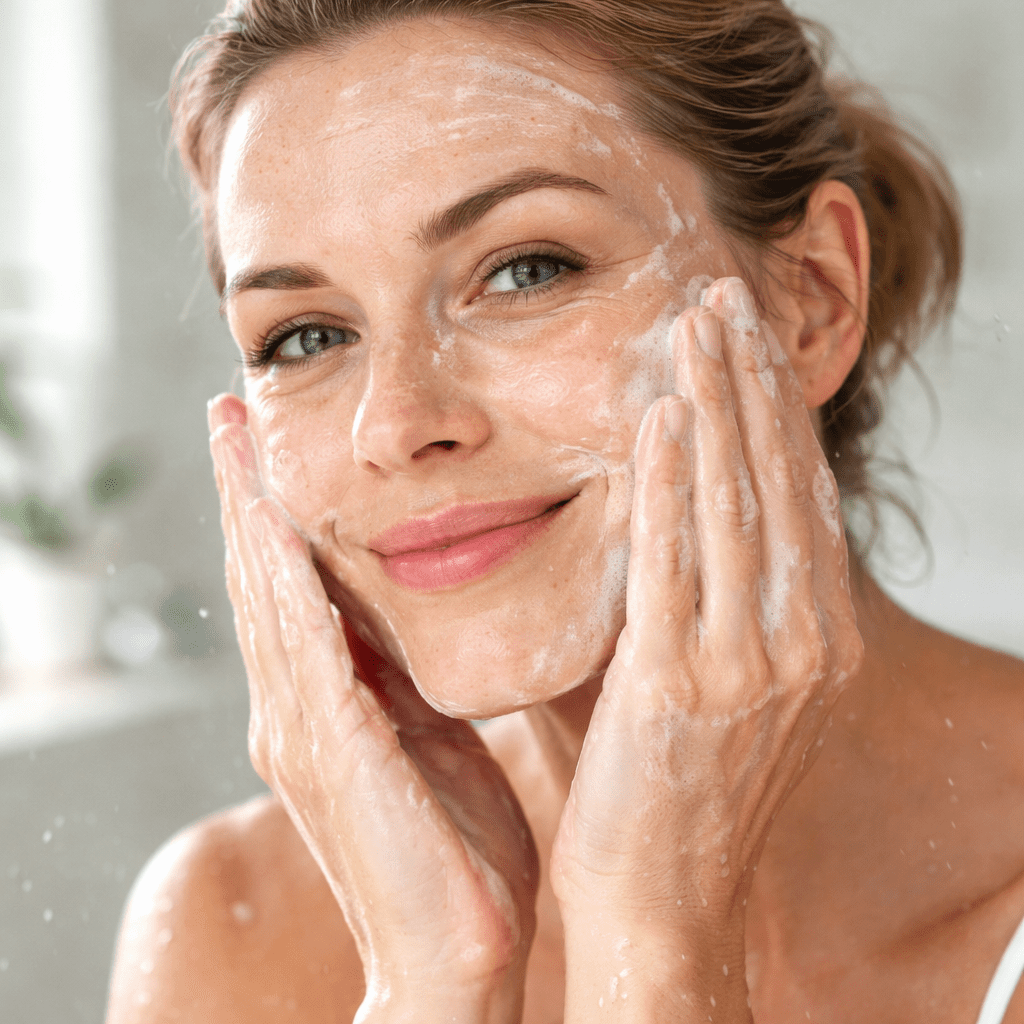
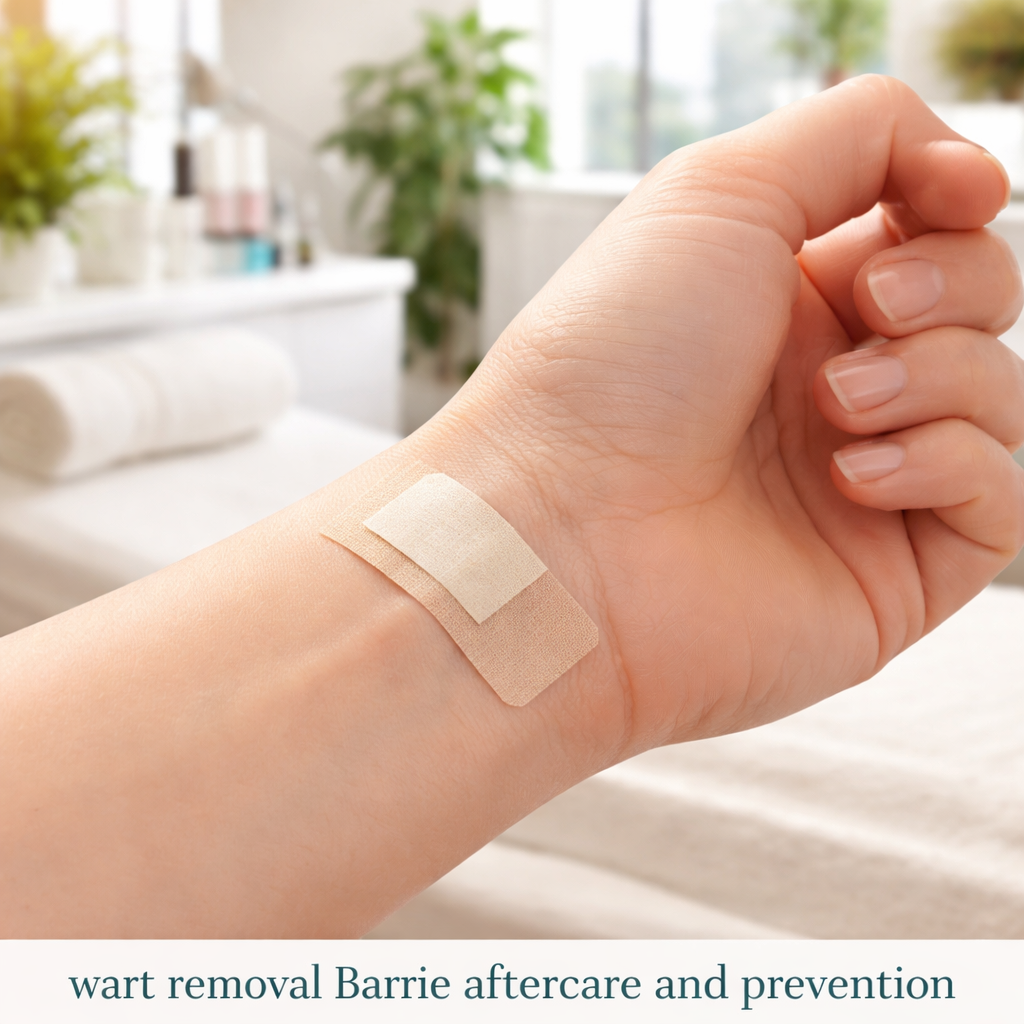
Keep the area clean. Wash with mild soap and water, then pat dry. Put a breathable plaster on any blister or scab. Avoid picking – that can spread the virus.
For the first 24-48 hours, skip heavy exercise if the spot is on a hand or foot. If you had a plantar wart removed, wear loose shoes or even use crutches for a few days. This reduces pressure and lets oxygen reach the wound.
What to watch for
Redness and mild soreness are normal. If pain gets sharp, or you see pus, call your clinician right away.
Sun exposure can darken new skin. Use a mineral sunscreen (SPF 30 or higher) once the scab falls off. This keeps the spot from turning a shade darker.
Long-term prevention
Warts come from HPV, which loves tiny cuts. Keep your skin moisturised so it doesn’t crack. A simple hand cream works wonders.
Don’t share towels, razors or nail tools. Wash your hands after touching any wart, even yours. The American Academy of Dermatology lists these habits as the best way to stop new warts from appearing.
If you notice a new bump, treat it early with over-the-counter salicylic acid or book a quick consult at Simcoe cosmetic clinic. Early action cuts down the chance of spread.
Stay hydrated and eat a balanced diet. Vitamins A, C and zinc support skin repair. A glass of orange juice or a handful of nuts each day can help your body heal faster.
For more detailed recovery timelines, the BHSkin recovery guide breaks down what to expect for each treatment type.
Follow these steps, protect your skin, and you’ll keep warts at bay while enjoying smooth, confident skin.
Conclusion
You’ve seen how warts grow, how they spread, and what steps work to clear them. Whether you pick a salicylic acid pad at home or a quick freeze at a clinic, the goal is the same, smooth, confident skin.
Remember to keep the area clean, moisturised, and out of the sun while it heals. A tiny hand cream can stop cracks that let the virus back in. If a bump shows up again, treat it early, the faster you act, the less chance it will grow.
For anyone worried about a mark left after removal, our guide on Scar Removal Barrie: Effective Treatments and Expert Tips for Smooth Skin shows how to keep the skin even.
Take the plan, follow the simple habits, and you’ll keep warts away while enjoying clear, healthy skin. Ready to start? Book a short consult at Simcoe Cosmetic Clinic and get a personalised road map.
Frequently Asked Questions
What causes warts and how can I stop them in Barrie?
Warts are caused by the human papillomavirus, or HPV. The virus gets in through tiny cuts, hangnails or scrapes. It tells skin cells to grow fast, so a hard bump shows up. Keep skin clean, moisturise dry spots, and don’t share towels or razors. If a new bump appears, treat it early with a salicylic acid pad or book a quick consult at a local medspa.
Are over‑the‑counter products worth trying for wart removal?
OTC options can work, especially for small, recent warts. Salicylic acid pads or gels are the most proven. Apply a thin layer each night after cleaning, then cover with a bandage. Most people see the wart shrink in a few weeks. If it doesn’t change after three weeks, it’s time to see a professional. Remember to follow the label directions to avoid skin irritation.
When should I book a professional wart removal appointment?
See a professional if the wart is large, painful, or has been there for more than a month. Also book a visit if home treatment hasn’t helped or if the wart is on the face, genitals or a pressure‑bearing spot like the sole of the foot. A clinic can offer cryotherapy, laser or electrosurgery, which often clear the wart in one or two visits.
What is cryotherapy and does it hurt?
Cryotherapy uses a quick burst of liquid nitrogen to freeze the wart. You feel a brief pinch, then the area goes numb. A small blister forms and the wart falls off in a week or two. The procedure is fast and needs no anesthesia. After treatment, keep the spot clean and avoid picking at the blister.
How long does recovery take after laser wart removal?
Laser treatment targets the blood supply of the wart. The skin may look red for a few days and a scab may form. Most people can return to normal activities the next day. The scab usually falls off in 1‑3 weeks, leaving smooth skin. Use a gentle cleanser and a mineral sunscreen once the scab is gone.
How can I keep new warts from coming back?
Good skin care is the best defense. Wash hands often, especially after touching a wart. Keep any cuts or dry spots moisturised so the virus has no doorway. Don’t share personal items like towels, razors or nail tools. A daily hand cream helps keep skin soft. If you spot a new bump, start treatment right away rather than waiting.