Cellulite is something many people notice but few truly understand. It’s that dimpled, lumpy skin often seen on the thighs, hips, buttocks, and abdomen. While it’s a natural occurrence, especially common in women, it can cause frustration and self-consciousness. If you’ve ever wondered how to get rid of cellulite, you’re definitely not alone.
So, why does cellulite happen in the first place? It’s caused by the way fat cells push up against connective tissue beneath the skin. Hormones, genetics, age, and lifestyle all play a role in how visible cellulite becomes. This means there’s no single magic cure, but there are plenty of effective strategies to reduce its appearance and improve your skin’s texture.
Are you tired of feeling stuck with cellulite despite trying countless creams or fad remedies? The good news is, a combination of healthy habits and professional treatments can make a significant difference. From targeted exercises to advanced non-surgical options available right here at Simcoe Cosmetic Clinic, there’s a tailored approach for everyone.
In fact, modern cosmetic clinics offer treatments that stimulate collagen production and improve circulation, tackling cellulite at its root. Before jumping into any solution, understanding the science behind cellulite, debunking myths, and knowing what truly works is essential for long-lasting results.
Ready to transform your skin? This guide will walk you through practical, expert-approved steps on how to get rid of cellulite effectively. Whether you prefer lifestyle changes, at-home remedies, or seeking professional care, you’ll find insights that empower you to take control of your appearance.
Don’t miss the opportunity to explore how these methods can fit into your routine and deliver smoother, firmer skin. For a comprehensive approach combining safe treatments and knowledgeable advice, check out our essential guide to skin tightening in Barrie.
Let’s dive in and discover what really works to help you feel confident in your skin again.
TL;DR
Struggling with how to get rid of cellulite? Combining healthy habits like targeted exercises with professional treatments boosts collagen and improves circulation for smoother skin.
At Simcoe Cosmetic Clinic, tailored non-surgical options make lasting change possible—giving you firmer, more confident skin without drastic measures.
Step 1: Understanding What Causes Cellulite
Before diving into how to get rid of cellulite, it’s crucial to understand what’s actually causing it. Knowing why cellulite forms helps you make better choices about your treatment options and expectations.
What Exactly is Cellulite?
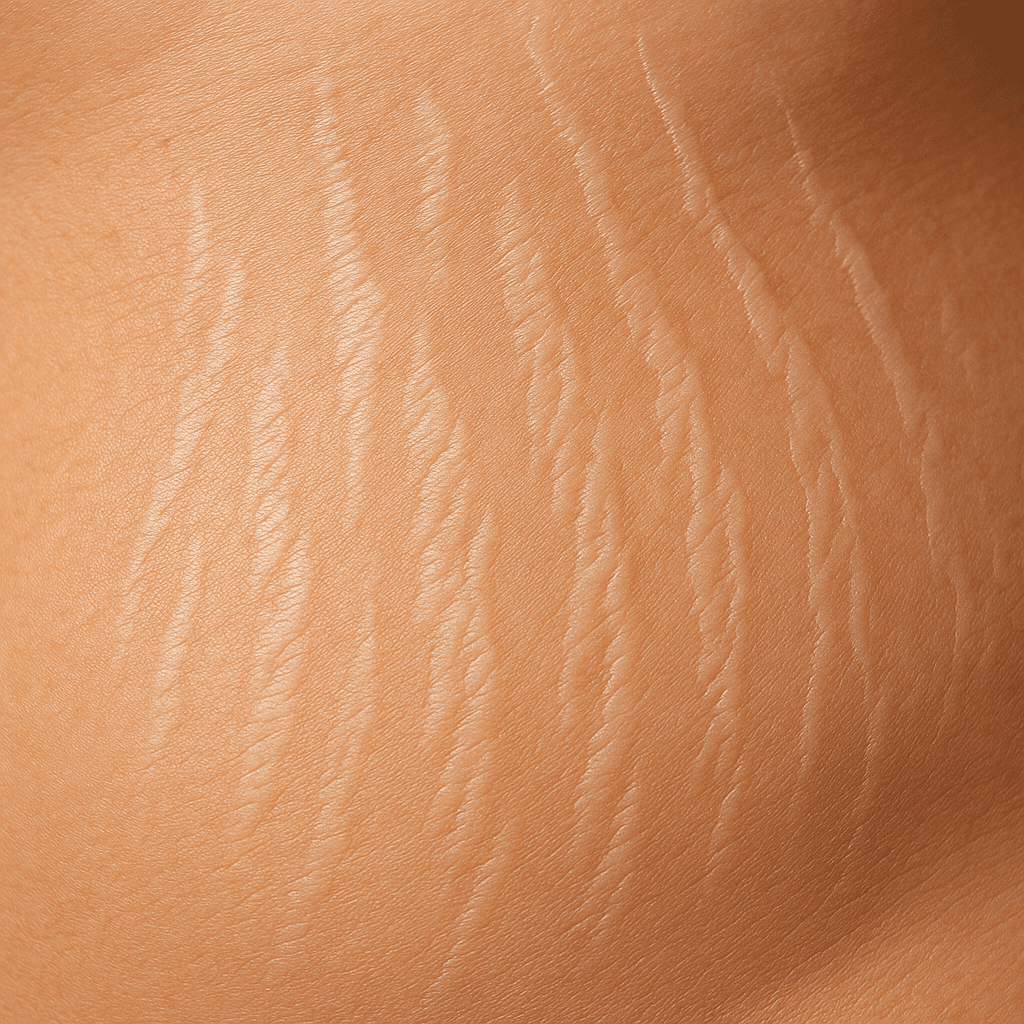
Cellulite is that dimpled, lumpy appearance on skin, often compared to cottage cheese or orange peel texture. You usually spot it around your thighs, hips, buttocks, and abdomen. It’s super common—especially among women, with most developing some degree of cellulite after puberty. It’s harmless medically but can really affect confidence.
Why Does Cellulite Happen?
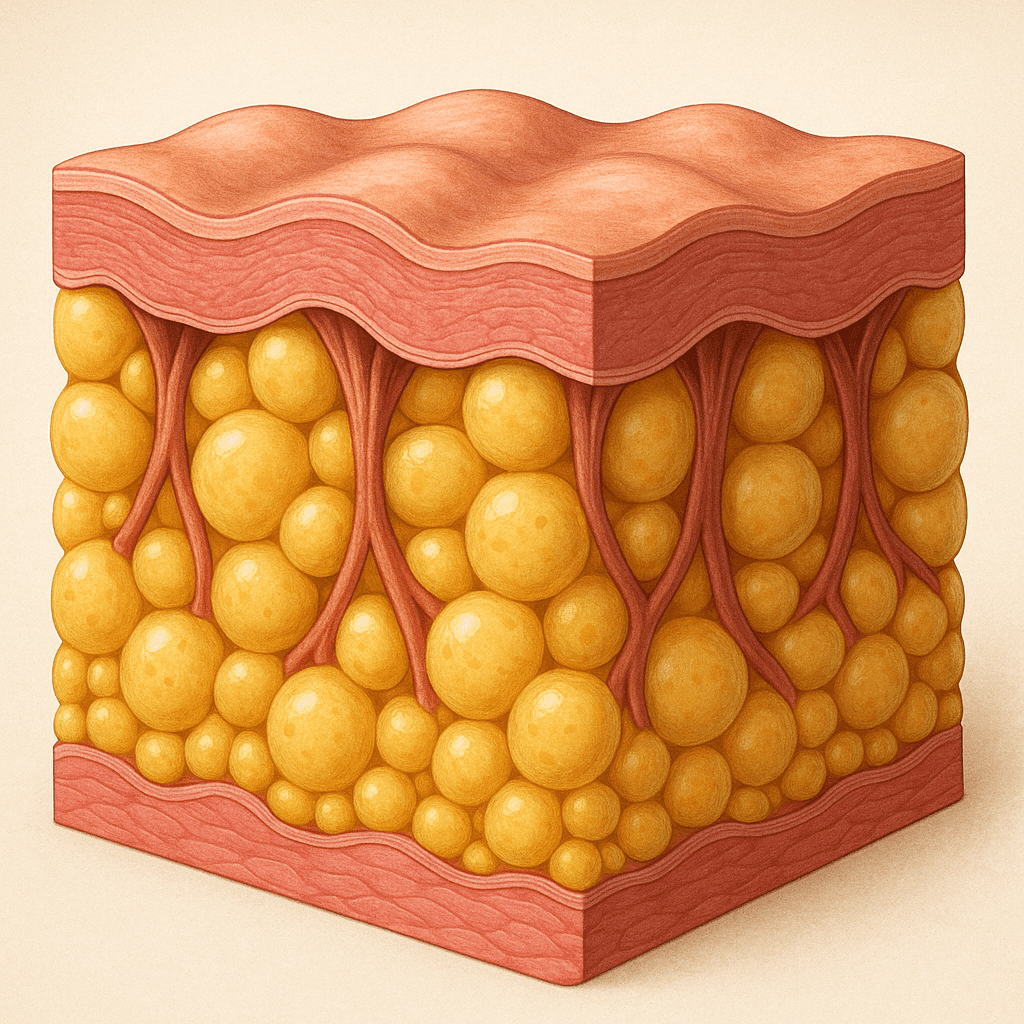
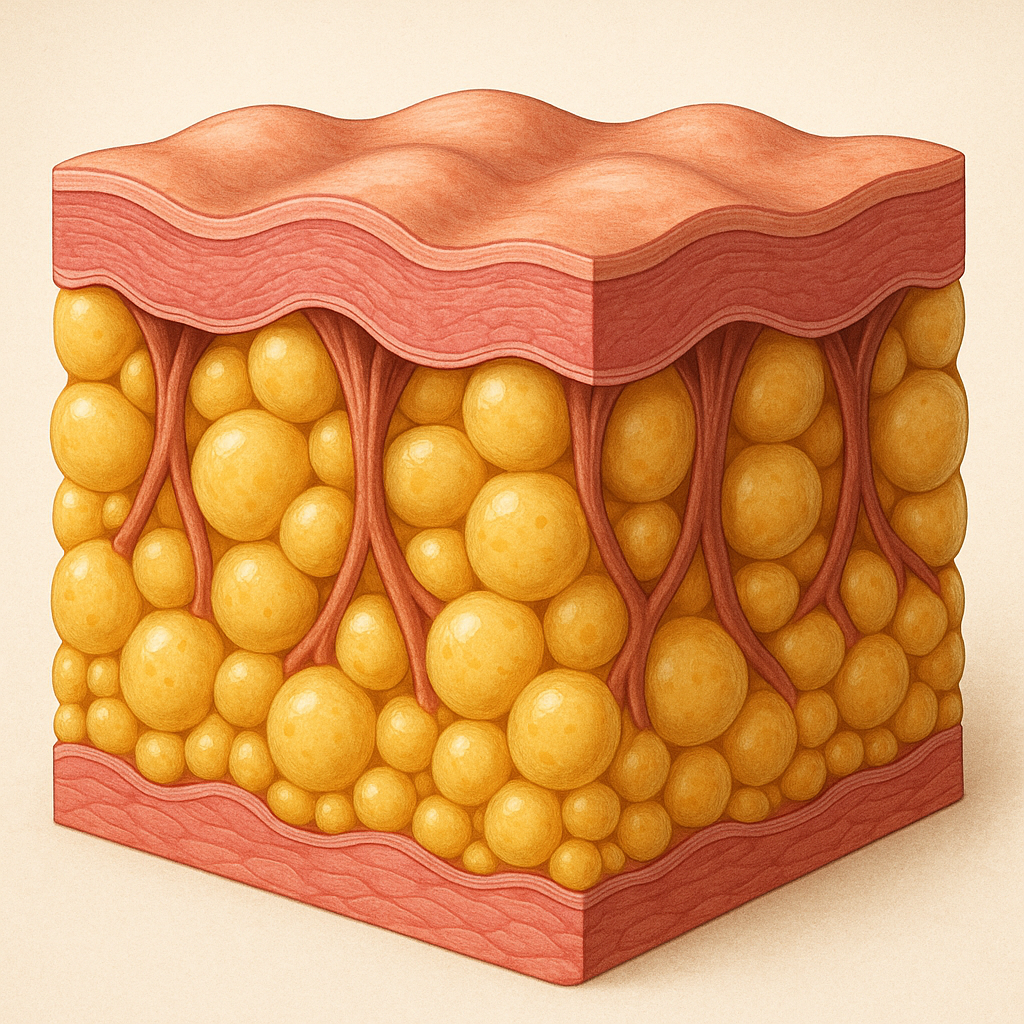
It boils down to an interplay between fat cells, connective tissues, and the skin’s structure. Here’s the breakdown:
- Fat cells: These push upward against your skin.
- Fibrous connective cords: These tough bands pull downward.
- Skin elasticity: When skin loses flexibility with age or damage, it can’t smooth out these irregularities.
This tug-of-war creates uneven skin surfaces and the classic dimpling look.
But here’s the kicker: cellulite isn’t just about extra fat. Even super fit people can have it, and weight loss might not get rid of it completely. That’s because the real “culprits” are the fibrous bands and skin quality, not solely fat. Understanding this changes your approach—you’ll focus not just on fat reduction but also on skin health and tissue structure.
Hormones and Genetics Play a Big Role
Wondering if it’s just about how much you exercise or diet? Not quite. Hormones, especially estrogen, strongly influence cellulite development. Estrogen can weaken connective tissue and promote fat storage in areas prone to cellulite. This explains why cellulite mostly affects women, and why it often appears or worsens during pregnancy, menopause, or hormone therapy.
And genetics? They set the baseline for your skin structure, fat distribution, and connective tissue strength. So if your mom or sister has cellulite, you might too, despite your best efforts.
Other Factors That Make Cellulite Worse
There are lifestyle elements that can either contribute to or worsen the appearance of cellulite:
- Poor Diet: High-carb, high-fat, or salty foods can increase fat storage and fluid retention, making cellulite more visible.
- Inactive Lifestyle: Lack of exercise reduces muscle tone and circulation, which means less support for the skin and sluggish removal of toxins.
- Aging: As you get older, collagen and elastin production drops, leading to thinner, less elastic skin.
- Weight Fluctuations: Rapid weight gain stretches connective tissues; quick weight loss can cause skin laxity, both worsening cellulite’s look.
Clearly, this isn’t caused by just one thing but a complex mix of factors. So where do you go from here?
Understanding these causes brings us closer to real, effective solutions. At Simcoe Cosmetic Clinic, we use this knowledge to craft personalized treatments that tackle cellulite’s root factors.
Curious about how the structure beneath your skin fuels those dimples? Check out this detailed explanation from the medical overview of cellulite’s anatomy. For a comprehensive look at causes and symptoms, the Mayo Clinic’s expert guide is a smart read. Finally, for hormone-related insights, this analysis of estrogen’s effect on cellulite sheds light on why women are more affected.
Now that you understand what’s causing cellulite, you can approach your treatment with confidence instead of frustration.
It’s more than skin deep—but that’s exactly where we can help.
Step 2: Lifestyle Changes to Reduce Cellulite Appearance
So, you’ve wrapped your head around what causes cellulite. Now, let’s talk about what you can actually do in your day-to-day life to reduce its appearance. Spoiler alert: it’s not about quick fixes—it’s about consistent lifestyle changes that nourish your skin and body from the inside out.
1. Optimize Your Diet for Radiant, Firmer Skin
Eating your way to smoother skin isn’t a myth. What you put on your plate makes a huge difference. Antioxidant-rich fruits and vegetables like berries, oranges, and leafy greens help fight free radical damage that can weaken skin structure. Including foods high in vitamin C supports collagen production—the protein that keeps skin plump and resilient against that dimpled look.
Don’t forget healthy fats. Omega-3 fatty acids found in salmon, flaxseeds, and walnuts act as natural moisturizers inside your skin, improving elasticity. Plus, vitamin E from nuts and seeds shields skin from oxidative stress.
Hydration is key, too. Drinking plenty of water helps your skin stay supple and flushes out toxins that can worsen cellulite. Aim for at least 6 to 8 glasses daily, and sneak in hydrating snacks like cucumbers and watermelon.
Curious about the nitty-gritty nutritional science behind skin health? This comprehensive guide on eating for fabulous skin offers some practical tips and meal ideas to get you started.
2. Move Your Body Regularly to Boost Muscle Tone and Circulation
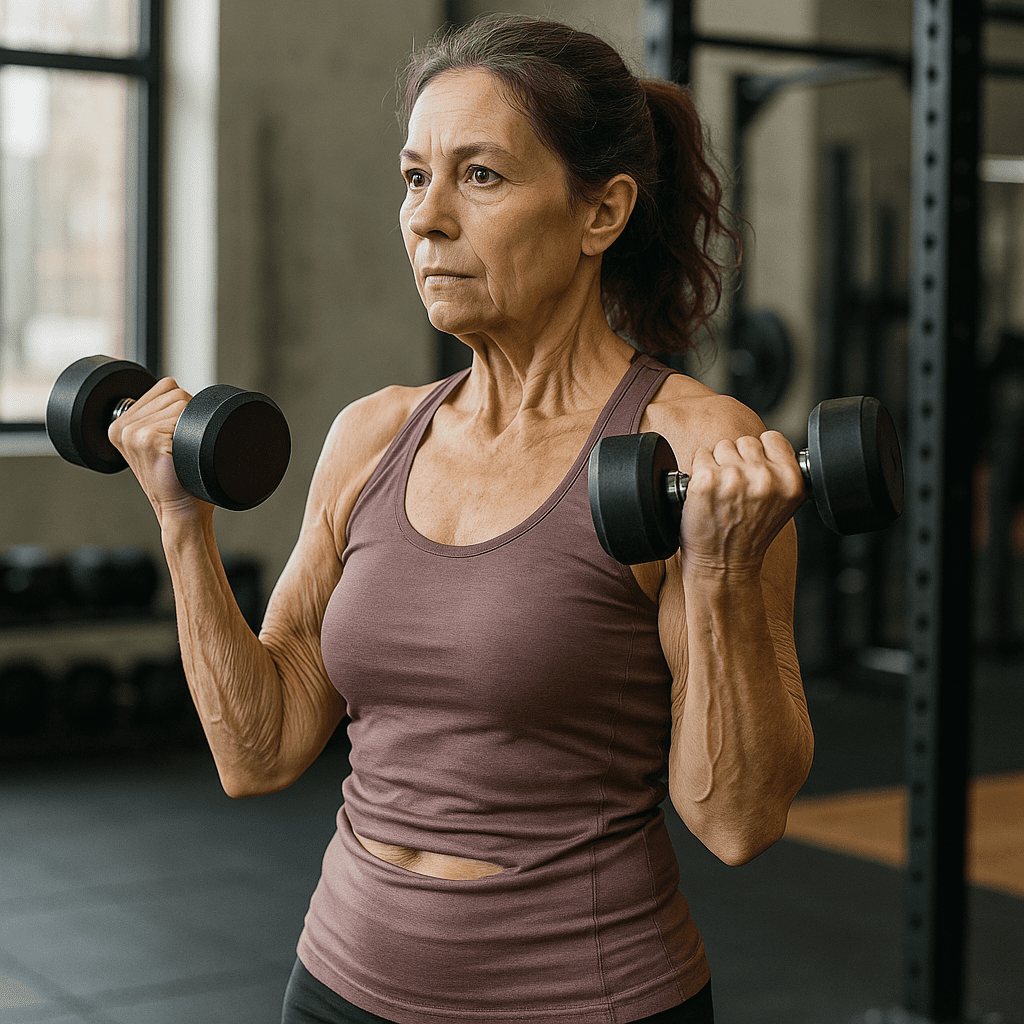
Exercise isn’t just about weight loss—it’s a powerful tool against cellulite. When you engage in resistance training or muscle-toning exercises, you build firm muscle under that skin layer, which smooths out the bumps. Plus, better circulation speeds fat metabolism and reduces fluid buildup, both of which help improve your skin’s texture.
Focus on activities targeting cellulite-prone areas like squats, lunges, and leg lifts for thighs and buttocks. Cardio workouts—think brisk walks, cycling, or swimming—add to the fat-burning effect overall.
Pro tip:
Incorporate interval training, alternating bursts of intense effort with rest. This strategy maximizes calorie burn and keeps metabolism revved up longer.
3. Monitor Your Weight Fluctuations and Avoid Crash Diets
Frequent weight gain and loss can stretch and stress your skin, making cellulite more pronounced. Crash dieting may leave your skin nutrient-deprived and saggy, which works against anything you want to achieve.
Instead, aim for steady, sustainable weight management focused on body composition—less fat, more lean muscle. This approach supports skin tightness and reduces those stubborn dimples.
4. Cut Back on Salt, Sugar, and Processed Foods
High salt intake can cause water retention and swelling, exacerbating cellulite’s appearance. Similarly, sugars and processed foods contribute to inflammation and break down collagen, the structural protein that keeps skin firm.
Making adjustments here won’t erase cellulite overnight, but it sets the stage for all other efforts to work better.
5. Consider Supporting Circulation and Skin Firmness with Targeted Techniques
While lifestyle changes are foundational, you might be wondering about additional things you can do at home. Techniques like dry brushing and massages can temporarily increase blood flow and may reduce the look of cellulite after a session.
For example, dry brushing involves gently stimulating the skin with a firm brush to promote circulation and lymphatic drainage. Though evidence is limited, many find this ritual relaxing and beneficial as a complement to other treatments.
Remember, the key is consistency over time—not expecting miracles after one session.
So, does this really work? The short answer is yes—but only when combined with a holistic plan. Cellulite is stubborn, but many people report visible improvements after embracing these lifestyle changes.
To dig deeper into what scientists say about natural ways to manage the look of cellulite, the detailed information from the Cleveland Clinic’s guide on cellulite is a trustworthy resource.
Putting these pieces together, you’re building a toolkit that’s about more than just hiding cellulite. You’re supporting your skin’s health at a fundamental level. And with steady effort, that shows.
Step 3: Topical Treatments and Their Effectiveness
Now that you’ve explored lifestyle tweaks and circulation-supporting techniques, you might be wondering about topical treatments. Can creams, lotions, or serums really show you how to get rid of cellulite? Let’s break down what works and what’s mostly hype.
Understanding How Cellulite Creams Work
Cellulite creams usually promise to smooth the skin by reducing dimpling. Most of these products contain ingredients like caffeine, retinol, or botanical extracts. Caffeine has been the star player because it’s thought to improve blood flow and temporarily tighten skin. But does that translate to real results?
Here’s the scoop: while some users report a slight improvement, these creams generally provide only temporary effects. You’ll often need to apply them consistently for at least 6 months to notice any visible change, especially with retinol, which can help by thickening the skin’s outer layer. But keep your expectations realistic; complete cellulite elimination isn’t a likely outcome with topical products alone.
Be Cautious About Ingredients
Not every cream is created equal, and with over 260 possible ingredients identified in cellulite creams, your skin can sometimes react negatively. Allergic reactions, redness, or irritation may occur—especially if you have sensitive skin. For example, products containing aminophylline should be avoided if you have asthma, since even topical application can trigger breathing issues.
Testing a small patch of skin first is always a smart move. If you want a safer starting point, look for creams with established, skin-friendly ingredients and consult a dermatologist for personalized recommendations.
Medical-Grade Topical Options at Simcoe Cosmetic Clinic
At Simcoe Cosmetic Clinic, we offer professional-grade topical treatments that can be combined with in-clinic procedures to enhance results. For example, retinol-based creams prescribed by experts can complement laser therapies that target cellulite more deeply.
Pairing your topical regimen with other treatments creates a synergistic effect that outperforms what over-the-counter products can do alone. If you’re serious about tackling cellulite, exploring a combination approach might be your best bet.
Other Spa and Device-Based Topical Treatments
Some spa treatments use creams or gels alongside suction massage devices or electric stimulation. Though these procedures can improve skin texture and feel temporarily firmer, scientific evidence suggests these effects are short-lived, usually fading shortly after stopping treatments.
Devices like endermologie® have FDA clearance for safety but haven’t been definitively proven to provide lasting cellulite reduction. The takeaway here? These can offer a pampering experience and mild improvement, but don’t expect miraculous or permanent changes.
Table: Comparison of Popular Topical Treatments for Cellulite
| Treatment Type | How It Works | Effectiveness | Notes |
|---|---|---|---|
| Caffeine-Based Creams | Stimulate circulation and skin tightening | Temporary improvement with consistent use | Use daily for months; avoid if sensitive to caffeine |
| Retinol Creams | Thicken skin, improve texture | Visible after 6 months or more | May cause irritation initially; best under dermatology supervision |
| Device-Assisted Topicals (e.g., Endermologie®) | Massage plus suction with topical gel | Short-term skin smoothing; effects fade quickly | Requires ongoing sessions; good for relaxation |
So, what should you do next? If topical treatments spark your interest, start by consulting the experts. Professional assessment ensures you’re using safe and effective products tailored to your skin’s needs.
Want to explore advanced options beyond creams? Check out our guide on skin tightening techniques in Barrie to see how combining therapies can accelerate your journey to smoother skin.
For deeper insight into topical therapies and cellulite treatments, the American Academy of Dermatology provides detailed information outlining what science says about these options.
If you’re curious about the ingredients lurking in cellulite creams and their safety profile, the PubMed study on cellulite cream ingredients offers a thorough review you might find illuminating.
Ultimately, topical treatments alone won’t erase cellulite, but they can be part of a thoughtful, multi-pronged strategy. Combining proven topical and professional treatments maximizes your skin’s potential for a younger, firmer look.
Step 4: Professional Treatments Available for Cellulite Reduction
If you’ve been wondering how to get rid of cellulite beyond creams and massages, professional treatments open a whole new realm of possibilities. While no method promises permanent removal, medical advances have made it easier than ever to smooth the skin and reduce that pesky dimpled look.
So, what exactly can you expect from professional cellulite reduction treatments? Let’s break down the most popular and effective options available today at medspas like Simcoe Cosmetic Clinic.
Laser-Assisted Cellulite Reduction
One of the leading methods is laser cellulite reduction, such as the FDA-cleared Cellulaze treatment. This minimally invasive procedure uses a tiny laser fiber just beneath the skin to gently heat the tissue. The result? The laser targets fibrous bands beneath the skin, releasing the tension that causes dimpling while also stimulating collagen production for firmer skin.
What makes this approach great is the combination of tissue tightening and fat smoothing in one go. It typically requires just one session, with improvements lasting about a year. Recovery is quick, usually just 1 to 2 days, making it a convenient option if you want to return to your routine swiftly. Keep in mind, though, that because it involves incisions, it must be performed by a qualified cosmetic surgeon or provider with equivalent training according to the American Board of Cosmetic Surgery.
Energy-Based Non-Invasive Treatments
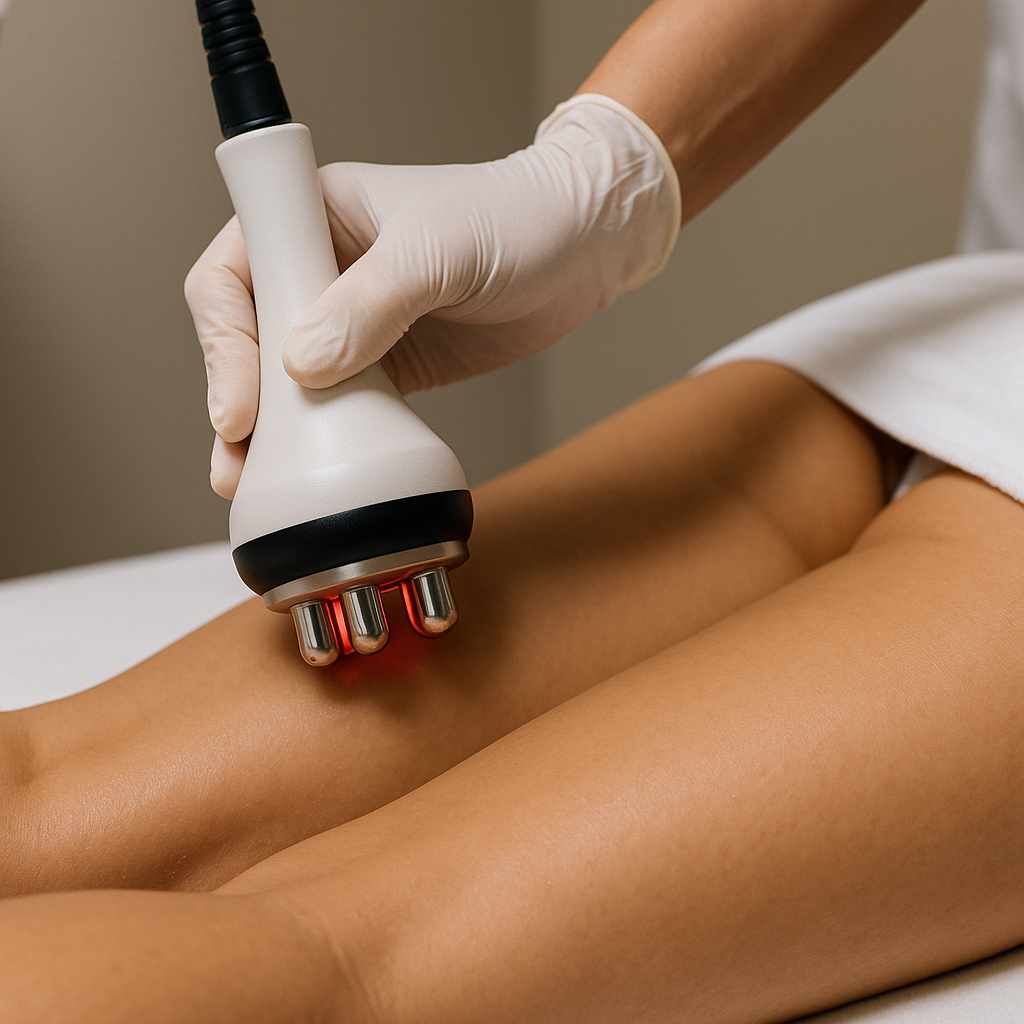
If you prefer to avoid any incisions at all, energy-based treatments offer a safe and popular alternative. These include technologies like radiofrequency (RF), ultrasound, and infrared light therapies. They deliver controlled heat energy to the skin layers to boost collagen remodeling and break down fat cells while relaxing fibrous bands.
Devices such as VelaShape or Venus Freeze fall into this category and are widely available in clinics across Barrie. Most patients undergo a series of sessions for optimal results, experiencing skin tightening and smoother texture with no downtime. But remember, maintenance treatments every few months may be necessary to uphold the improvements.
Radiofrequency treatments can even be customized to your skin’s needs at places like Simcoe Cosmetic Clinic, where they combine RF with microneedling (e.g., Morpheus8) for deeper collagen stimulation, which helps achieve noticeable cellulite reduction and skin rejuvenation as outlined in the Simcoe Cosmetic Clinic’s comprehensive guide.
Mechanical Subcision: Cellfina®
Looking for something longer-lasting but minimally invasive? Cellfina is an FDA-cleared treatment that mechanically releases those tight fibrous bands beneath the skin responsible for cellulite’s dimpling effect.
Using a tiny blade inserted through a small incision, a trained provider gently cuts the fibrous septae. This leads to an immediate smoothing effect, with results lasting up to three years — much longer than other options. Mild soreness and bruising may occur but usually resolve quickly.
Because of its targeted approach, Cellfina is considered one of the most effective professional cellulite treatments available today. However, it requires skilled hands, so always go to an experienced cosmetic surgeon or aesthetic expert who understands the anatomy thoroughly.
Injectable Enzyme Therapies
Injectable options like QWO have also been FDA-approved to treat cellulite. QWO works by enzymatically breaking down collagen bands and redistributing fat cells, softening the skin’s texture. Although this treatment showed promise, availability is limited due to side effect concerns such as bruising and discoloration.
If you’re curious about injectable cellulite reduction, discussing potential risks and benefits with your provider is crucial to determine if it’s right for you.
What’s the Best Way to Choose Your Treatment?
The truth is, cellulite reduction is rarely a one-size-fits-all journey. Each professional treatment has its pros and cons, treatment length, downtime, and cost to consider. Your skin type, cellulite severity, lifestyle, and goals will shape the best plan for you.
Here’s a simple roadmap to help you decide:
- Assess your goals: Are you after temporary smoothing or longer-term results?
- Consider downtime: Minimally invasive treatments require some recovery, while energy-based options usually have none.
- Consult a specialist: Experienced providers at clinics like Simcoe Cosmetic Clinic will tailor a treatment strategy. They often combine therapies, such as RF with microneedling, to amplify results.
Don’t hesitate to ask plenty of questions during your consultation. Understanding safety, expected sensations, and maintenance is key to successful cellulite management.
Putting It All Together
Wondering how to get rid of cellulite for good? The best outcomes usually come from combining professional treatments with lifestyle habits like balanced nutrition, exercise, and skin care.
Professional treatments act as powerful tools that work beneath the surface. When paired with daily self-care and patience, you’ll be amazed at the smoother, firmer skin you can achieve.
Feeling ready to explore your options? Schedule a consultation with a qualified provider at Simcoe Cosmetic Clinic to design a personalized plan tailored just for you.
Step 5: Preventative Measures to Avoid Cellulite Reappearance
You’ve worked hard to smooth your skin and get rid of cellulite, so now it’s time to keep those results intact. But, how do you prevent cellulite from making a comeback? The secret isn’t just in treatments—it’s about consistent lifestyle habits that support your skin’s health over time.
Stay Active and Maintain a Healthy Weight
Regular exercise not only tones your muscles but also boosts circulation and lymphatic drainage, essential in preventing cellulite. Combining cardio with strength training is a winning strategy. Plus, keeping your weight in check reduces fat deposits that can push against connective tissue, making cellulite less visible.
Hydration and Skin Care Matter
Hydrating your body helps maintain skin elasticity, which is key for a smooth appearance. Don’t forget to moisturize daily; well-moisturized skin is less prone to cracks and sagging. Using products rich in antioxidants and collagen boosters can further enhance skin strength. Think of your skin as an investment—it thrives when cared for consistently.
Nutrition Plays a Vital Role
Eating a balanced diet rich in lean proteins, healthy fats, and plenty of fruits and veggies supports collagen production and fights inflammation. Reducing processed foods and excess sugar helps prevent fat accumulation and inflammation, both contributors to cellulite reappearance. Why not make your plate work for your skin?
Protect Your Skin from Injury
Minor cuts, scrapes, or bruises can worsen cellulite. Take care when exercising, gardening, or even cooking to avoid skin injuries. If you do get a wound, clean and moisturize it promptly to prevent infections or inflammation that might aggravate cellulite. Maintaining healthy skin barrier function is essential—just ask the experts on preventing recurring skin issues, such as dermatologists at the American Academy of Dermatology.
Consider Professional Maintenance Treatments
Even after clearing cellulite, occasional touch-up treatments at specialized medspas like Simcoe Cosmetic Clinic can help sustain results. These might include radiofrequency sessions or microneedling to stimulate collagen regularly. Think of this as routine tune-ups to keep your skin smooth and firm.
Ready to lock in those smooth skin benefits? Remember, persistent care and attention make all the difference. For detailed skincare routines that target cellulite prevention, the Mayo Clinic offers trusted guidance that you’ll find practical and effective.
So, what’s your next step? Start by adopting these daily habits to keep cellulite at bay and enjoy your skin’s newfound confidence for the long haul.
Conclusion
So, how to get rid of cellulite for good? The truth is, there’s no overnight miracle. But combining healthy habits, protecting your skin, and considering professional maintenance really adds up over time.
Remember, reducing processed foods and excess sugar sets a solid foundation. Adding skin care that targets minor injuries and inflammation helps prevent cellulite from returning.
And here’s a little secret: medspa treatments, like those offered at Simcoe Cosmetic Clinic, are fantastic for long-term results. Treatments such as radiofrequency and microneedling stimulate collagen, which smooths skin and keeps cellulite at bay. Think of them as your skin’s tune-ups—necessary for lasting confidence.
Does this sound like a lot? Take it step by step, and your skin will thank you. Consistency is key—treat your skin kindly every day and be patient with the process.
Ready to take the next step? Contact Simcoe Cosmetic Clinic today to explore professional options tailored to your skin’s unique needs. Because everyone deserves to feel confident and comfortable in their skin.
Frequently Asked Questions About How to Get Rid of Cellulite
What exactly causes cellulite, and can it ever be completely eliminated?
Cellulite happens when fat pushes through connective tissue beneath the skin, creating that familiar dimpled, lumpy look. Factors like genetics, hormones, aging, and lifestyle all play a role. Unfortunately, cellulite isn’t something you can fully erase—it’s a natural condition for many. But here’s the good news: you can significantly reduce its appearance with consistent treatments and healthy habits.
Do diet and exercise really help reduce cellulite?
Absolutely! While diet and exercise won’t vanish cellulite overnight, they play a key role in minimizing it. Eating a balanced diet rich in antioxidants and reducing processed foods can improve skin health. Pair that with strength training and cardio to tone muscles and reduce excess fat, and you’re setting a solid foundation.
Think of it as prepping the canvas for better skin texture. Trust us, skipping the gym won’t help, but neither will diet alone.
How effective are topical creams and lotions for cellulite?
Many products promise quick fixes, but most only provide temporary smoothing and hydration. Ingredients like caffeine or retinol can stimulate blood flow and collagen production, but their effects tend to be subtle and short-lived. Don’t expect creams to replace other essential steps like diet changes or professional treatments—they’re best used as part of a broader routine.
What types of professional treatments offer the best long-term results?
At a medspa like Simcoe Cosmetic Clinic, options like radiofrequency therapy, microneedling, and laser treatments work wonders by stimulating collagen and tightening skin. Unlike creams, these treatments address the underlying structure beneath the skin. Repeated sessions create lasting improvements, smoothing out the skin and reducing cellulite appearance significantly.
So, if you’re serious about tackling cellulite, professional maintenance is a game changer, not just a luxury.
Is it possible to get rid of cellulite without surgery?
Yes! Many modern treatments are non-invasive or minimally invasive, meaning no downtime or scars. Technologies like radiofrequency and acoustic wave therapy remodel skin without cutting. Non-surgical options are attractive for their lower risk and impressive results. Your medspa expert can tailor a plan specific to your needs.
Why does cellulite seem worse in some people even if they’re slim?
Cellulite isn’t just about how much fat you have; skin structure and genetics are huge factors. Thin people might have less fat but still show cellulite due to weaker connective tissue or poor circulation. That’s why combining skin-targeting treatments with lifestyle changes matters most—not just weight loss.
How long does it take to see noticeable improvements?
Patience is key! While some people notice skin tightening after a few sessions, optimal results usually appear after several weeks or months of consistent care. Remember, you’re remodeling skin and tissue, which takes time. Maintaining results also means adopting healthy habits going forward.
Want to know the best next step? Reach out to the experts at Simcoe Cosmetic Clinic to get a customized consultation. Because when tackling cellulite, personalized care makes all the difference.