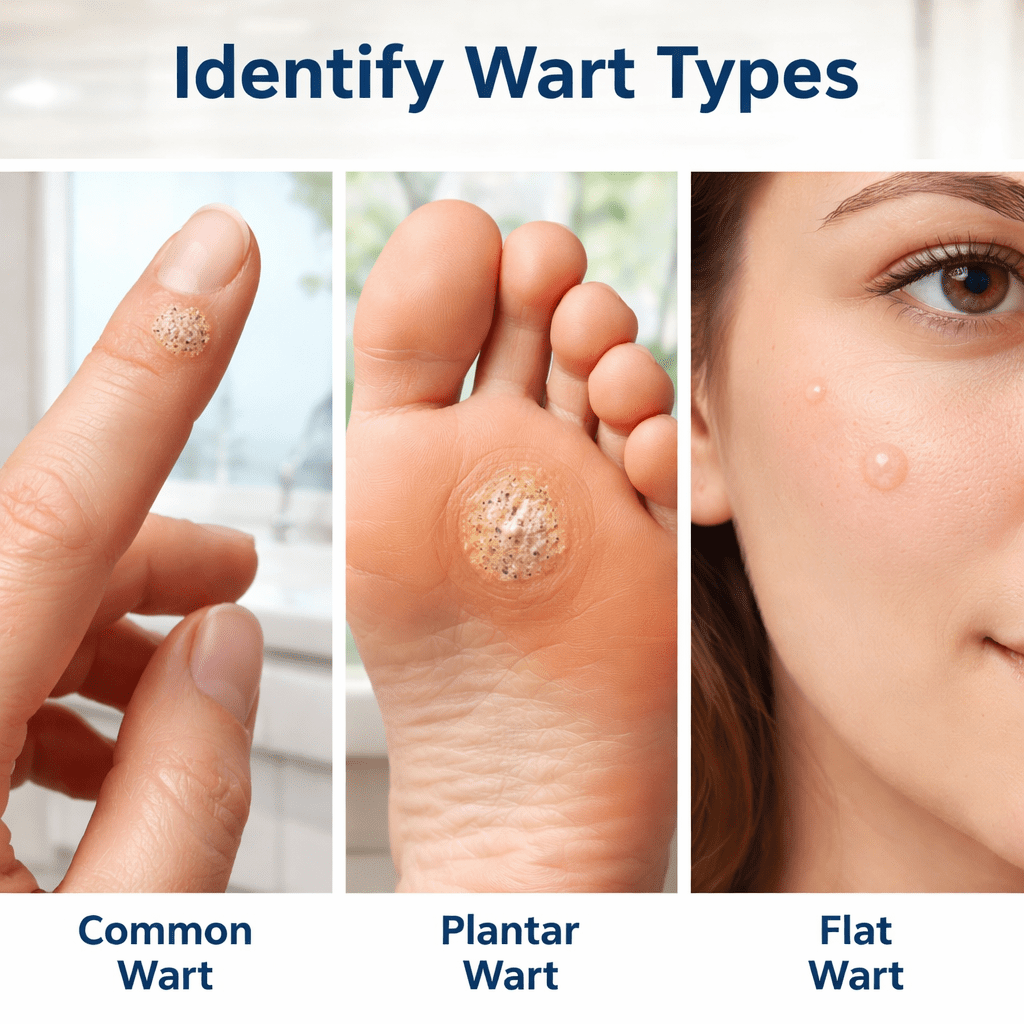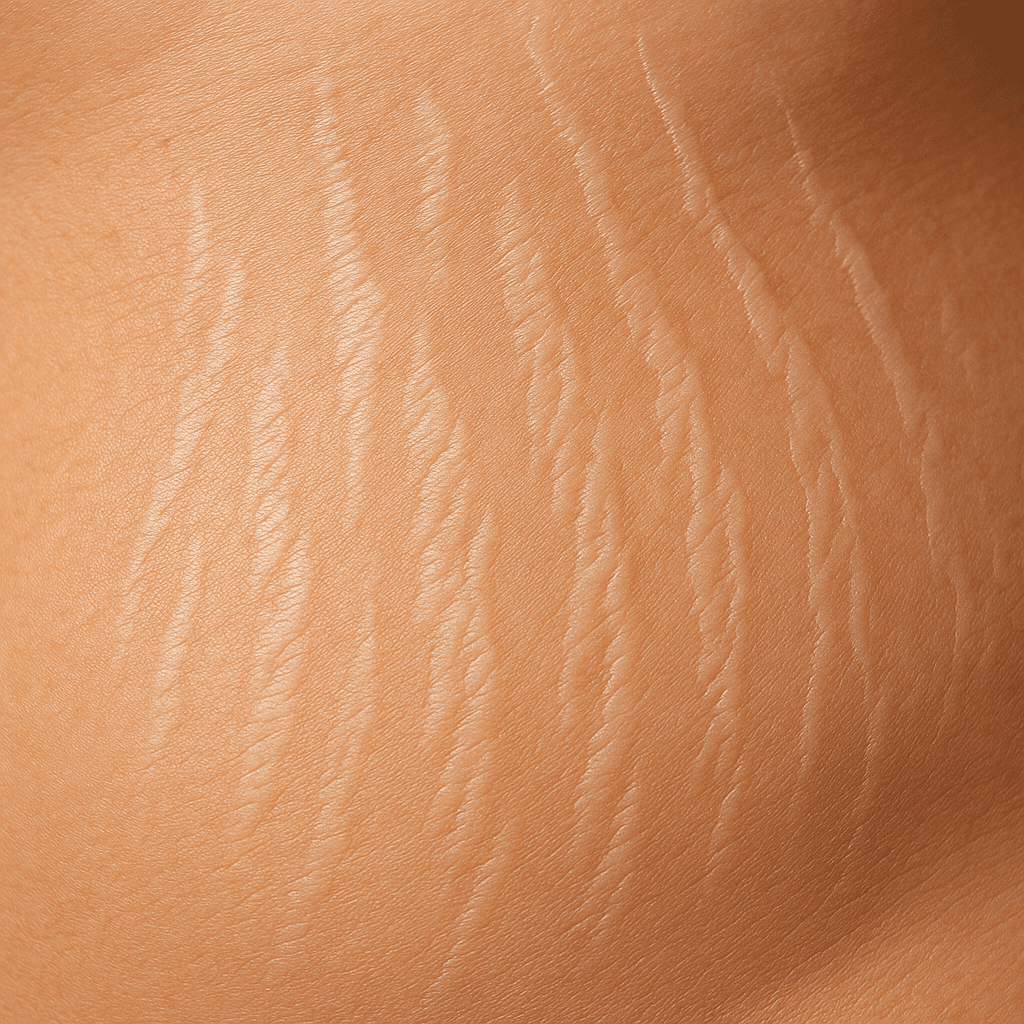
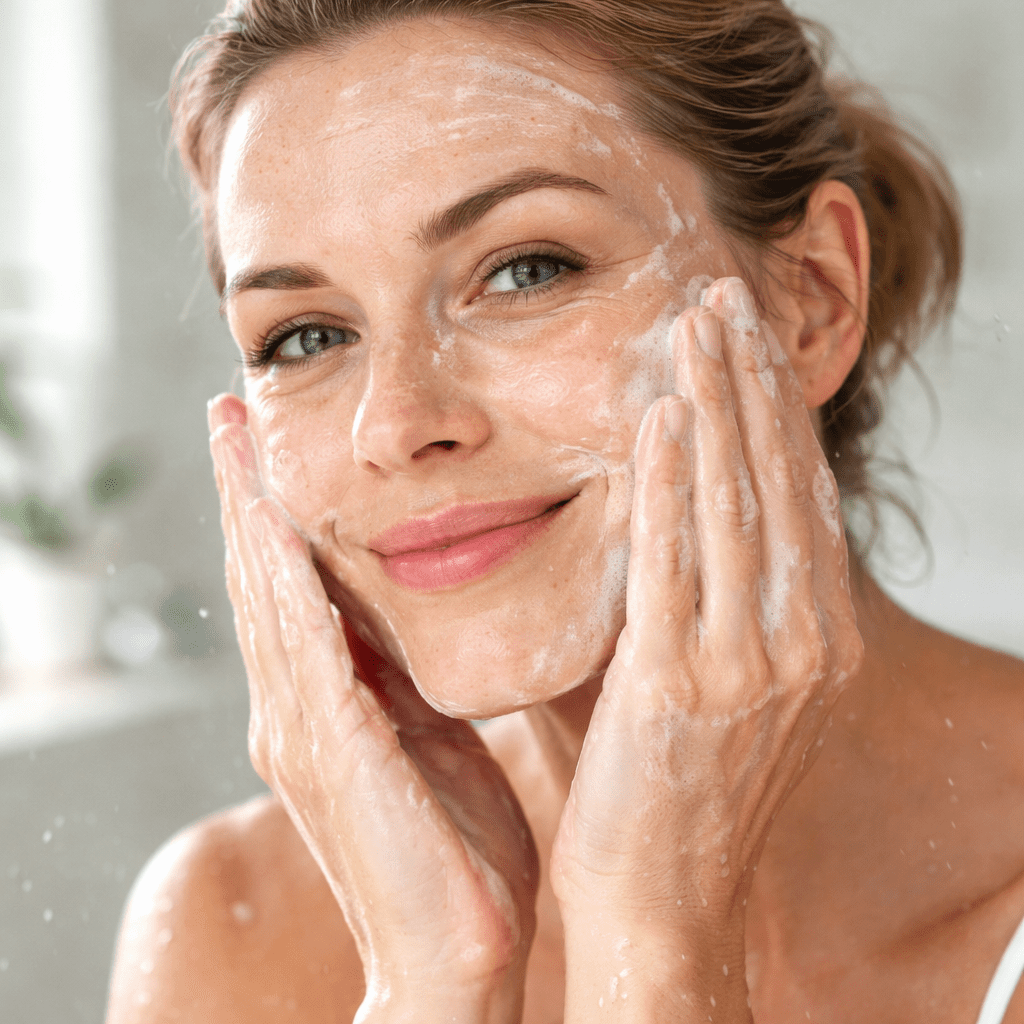
Textured skin on your face can be smoothed in weeks, not months.
Most of us have felt the irritation of uneven bumps or dull patches. It’s more than a look issue; it can lower confidence.
Think of your skin like a garden. It needs regular weeding, water and occasional tilling. Skip a step and the texture stays rough.
Step 1: Cleanse with a gentle, non‑scrubbing formula twice daily. Avoid harsh scrubs that strip the barrier.
Step 2: Exfoliate with a low‑dose chemical (5 % AHA) or a light enzyme mask two to three times a week. Never pair it with retinoid on the same night.
Step 3: Use a serum with niacinamide or a peptide. These boost collagen and tighten pores without irritation. Apply on damp skin.
Step 4: Protect each morning with SPF 30 or higher. Sun damage undoes the progress you’ve made.
Step 5: Add a professional boost. A series of microneedling sessions can jump‑start collagen and smooth deep pits. Simcoe Cosmetic Clinic explains why it’s a top choice Unlock Radiant Skin with Microneedling in Barrie.
Even if you’re not ready for a clinic visit, keep a simple checklist: clean, exfoliate, treat, protect. Stick to it for four weeks and you’ll notice softer skin and a clearer complexion.
For a different kind of checklist, see How to Choose the Perfect Prom Photo Booth Rental for an Unforgettable Night. It shows how step‑by‑step planning helps any project stay on track.
Step 1: Cleanse and Exfoliate Properly
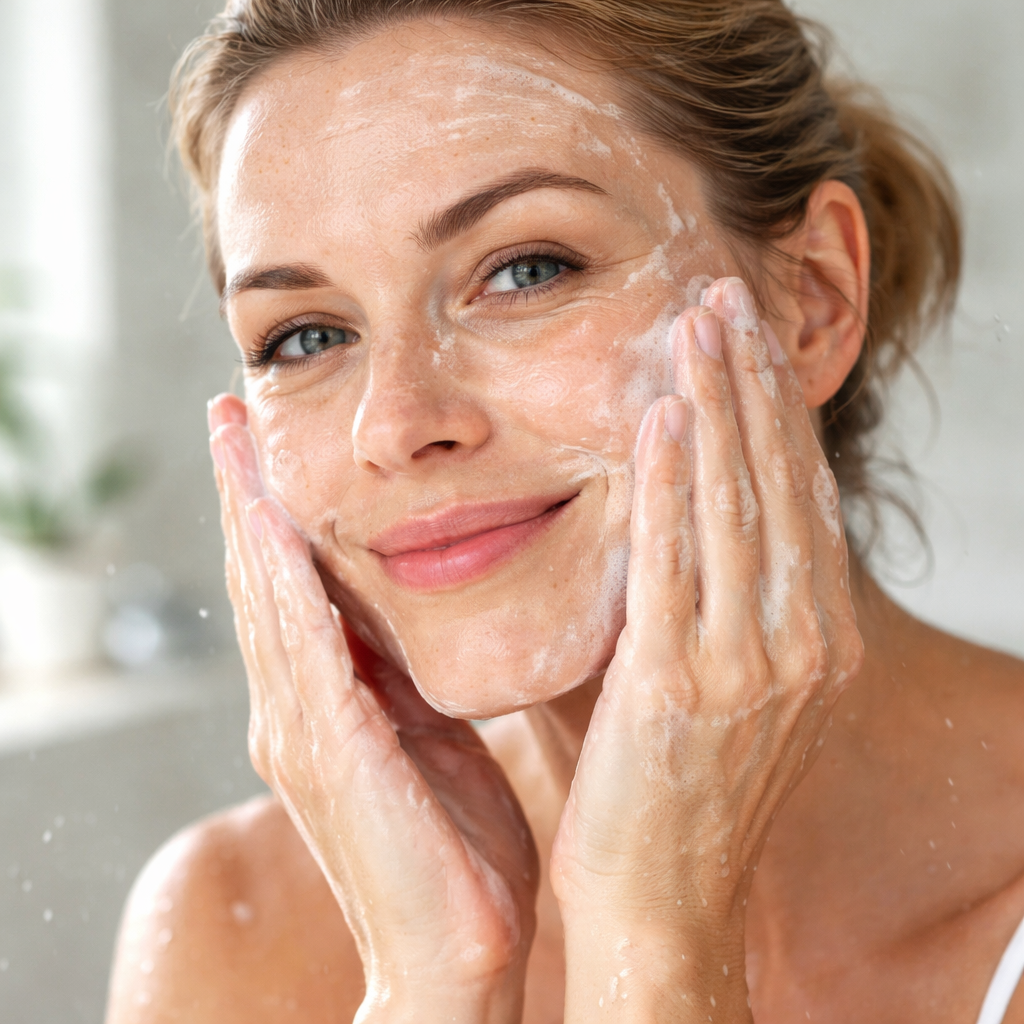
First thing you need is a wash that cleans without stripping. Look for a liquid cleanser that has a tiny amount of AHA or BHA and also adds moisture. A product that blends glycolic acid with glycerin will lift dead cells while keeping skin soft.
Why does this matter? Textured skin often feels rough because old skin blocks new cells. A gentle wash helps pull that barrier down so fresh cells can rise.
Tip: start with the wash once a day, maybe at night. If your skin feels tight, cut back to every other day until it adapts.
Next, add a low-dose chemical exfoliant two to three times a week. A 5 % AHA mask or a serum with salicylic acid works well for most ages. It smooths bumps without the harsh feel of a scrub.
Make sure you don’t pair this step with retinoid on the same night. That combo can irritate and make texture worse.
Here’s a quick checklist:
- Gentle liquid cleanser with AHA/BHA + hydrating base.
- Use twice daily, adjust frequency if needed.
- Low-dose chemical exfoliant 2‑3× a week.
- Avoid harsh scrubs or strong acids on the same night as retinoid.
Need a product idea? Bluemercury lists top liquid face washes for textured skin. Many of those include the right mix of exfoliating acids and soothing ingredients like niacinamide.
Watch the short video below for a visual walk‑through of how to apply the cleanser and exfoliant.
After you finish, pat skin dry with a soft towel. Don’t rub. That can pull at the fresh layer and cause irritation.
Step 2: Choose Targeted Treatments
Now that your skin is clean, it’s time to pick the actives that will smooth the bumps. Think of each product as a tiny tool that works where the skin needs help.
Serum with niacinamide is a top pick for most ages. It calms redness, shrinks pores and adds a bit of glow. You can slap it on right after your cleanser while your skin is still damp – that helps lock in the moisture.
Peptide‑rich serums give the skin a boost of building blocks. They nudge collagen production without the sting of a strong acid. One or two drops on a clean face works fine. If you’re new to peptides, start with a low‑dose formula and see how your skin feels.
Retinoids are powerful, but they need space from acids. Use a pea‑size amount at night, but only on nights you skip the chemical exfoliant. If you feel tight or flaky, cut back to every other night until you build tolerance.
Moisturizer may feel simple, but a barrier‑repair cream with ceramides and hyaluronic acid is a must. It keeps the new skin soft and stops irritation from the other actives. Pat it in – don’t rub – after your serum.
For those who want a faster lift, a professional microneedling session can jump‑start collagen. Simcoe cosmetic clinic offers a medspa‑grade microneedling that reaches deeper layers than at‑home rollers. A quick consult can tell you if the treatment fits your skin type.
So, what should you pick?
| Treatment | What it does | How to use |
|---|---|---|
| Niacinamide serum | Reduces redness, refines pores | Apply 2–3 drops on damp skin, morning & night |
| Peptide serum | Supports collagen, smooths texture | Use a few drops after niacinamide, 1–2× daily |
| Retinoid | Speeds cell turnover, fades bumps | Pea‑size amount at night, avoid on exfoliation nights |
Keep a short checklist: clean, serum, peptide, retinoid (on alternate nights), moisturize. Stick to it for a few weeks and you’ll notice the skin feeling softer, looking more even.
Step 3: Hydration and Sun Protection
Now that your skin is clean and treated, water and sun become the next big steps.
Your skin needs moisture to stay soft and to let the serums work longer.
Pick a lightweight, barrier-repair cream that has ceramides or hyaluronic acid.
If you have oily skin, a gel-type moisturizer with glycerin can give the same glow without feeling greasy.
Apply the moisturizer while your face is still a bit damp – this locks in the water.
A quick tip: drink at least eight glasses of water a day. Your skin will thank you from the inside out.
Sun protection is the final guard.
Even on cloudy days UV rays still hit your skin and can undo all the work you’ve done.
Choose a broad-spectrum SPF 30 or higher that doesn’t leave a white cast.
Apply SPF as the last step of your morning routine, even if you plan to stay indoors.
Reapply every two hours if you step outside, and after swimming or sweating.
For extra boost, look for moisturizers that already contain SPF – they save a step and keep texture smooth.
A common ask from clients at Simcoe cosmetic clinic is how to keep texture even while enjoying the sun.
Our teams suggest pairing a hydrating cream with a mineral-based SPF for a gentle feel and strong protection.
Remember, the combo of good hydration and daily sun guard is what really flattens bumps over weeks.
If you’re hunting for a new moisturizer, Sephora’s collection for textured skin offers options with vitamin C, peptides, and hyaluronic acid.
Step 4: Lifestyle and Maintenance Habits
Getting rid of textured skin on face isn’t just about creams. Your daily habits shape how smooth your skin feels.
Sleep is a silent hero. Aim for seven to nine hours, and you’ll notice less redness and finer texture.
Stress spikes cortisol, which can flare up bumps. Try a quick breathing break or a short walk when tension builds.
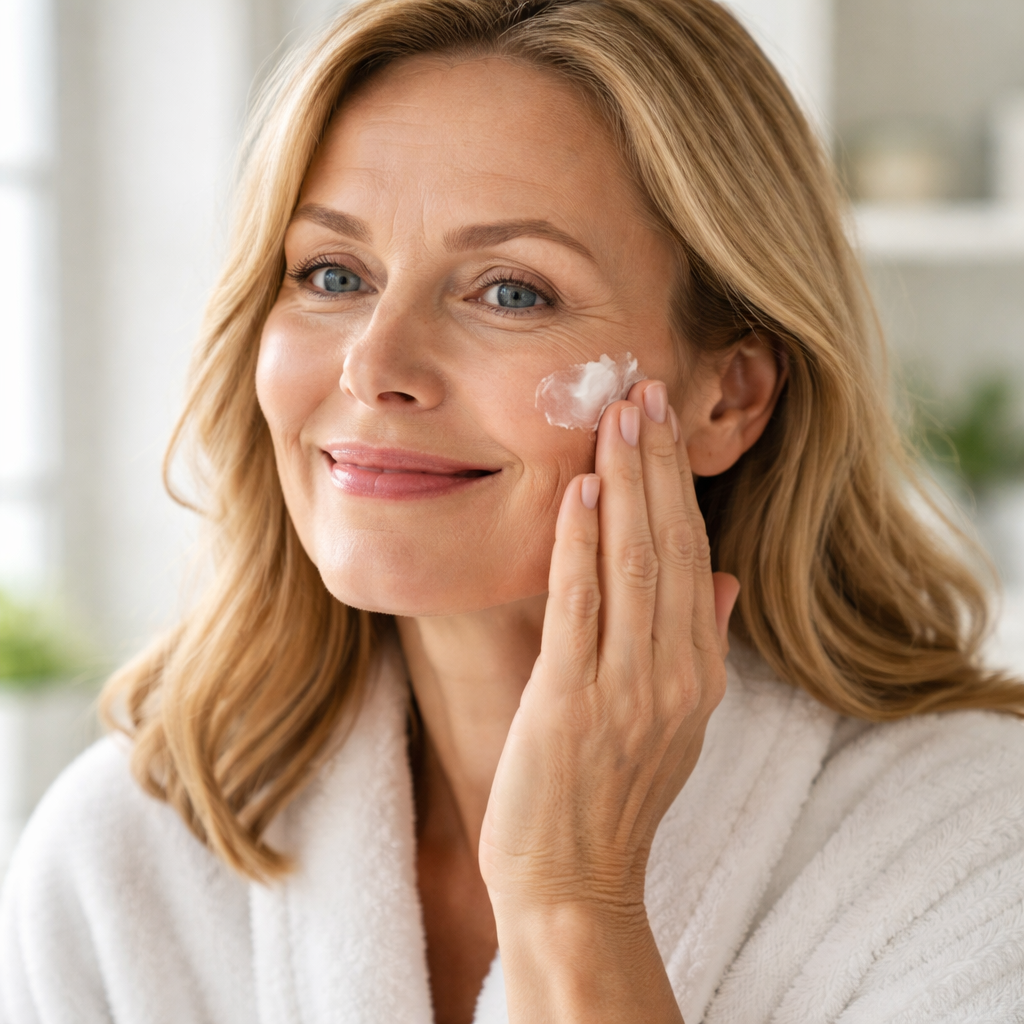
Hydration starts from the inside. Keep a water bottle handy and sip often—eight glasses a day is a solid goal.
Nutrition matters too. Foods rich in omega‑3s, like salmon or walnuts, help keep the skin barrier supple.
Skip smoking. It narrows blood vessels and leaves the skin dry, which can accentuate texture.
Alcohol can dehydrate you. Limit intake, and follow each drink with a glass of water to balance.
Protect your skin from harsh winds. A lightweight scarf in winter or a humidifier at home can stop moisture loss.
Exercise boosts circulation, delivering nutrients to skin cells. Even a 20‑minute stroll three times a week makes a difference.
Stick to a simple routine. Cleanse, treat, moisturize, and shield with SPF each morning; repeat at night without the sunscreen.
When you pair these habits with the steps you’ve already learned, the texture will smooth out over weeks, not months.
Mind your environment. Low humidity in winter can dry the skin barrier, so a room humidifier helps keep texture even.
Finally, be patient. Consistency beats quick fixes, and over time these habits will give you the smoother face you want.
Conclusion
Getting rid of textured skin on face isn’t magic, it’s steady habits mixed with the right treatments.
If you’ve stuck to gentle cleansing, low‑dose exfoliation, a soothing serum, and daily SPF, you’ll already see smoother skin in weeks. Pair those basics with simple lifestyle tweaks, stay hydrated, eat omega‑3 rich foods, and protect against harsh wind.
For those who want a faster lift, a professional microneedling session at Simcoe cosmetic clinic can jump‑start collagen and smooth deeper pits.
So, what’s the next step? Keep your routine consistent, track how your skin feels, and consider a quick consult if texture persists.
Remember, patience beats quick fixes. Stick with the plan, and the texture will fade, leaving a clearer, softer complexion.
You don’t need to overhaul your life, just a few minutes each morning and night can keep the texture at bay. Think of it like a daily habit that builds a smoother canvas over time.
And if you ever wonder whether a product is right for you, a quick chat with the medspa team can point you toward a formula that matches your skin type.
FAQ
How often should I exfoliate to get rid of textured skin on face?
Most skin types do well with a low‑dose chemical exfoliant two to three times a week. Start with a 5 % AHA or BHA on nights when you’re not using retinoid. Keep the formula gentle and watch for irritation; if your skin feels tight, drop back to once a week until it adapts. Consistency beats intensity, and the bumps usually soften after four weeks.
Can I use retinoids with my routine for texture?
Retinoids are great for cell turnover, but they can irritate textured skin if layered with acids. Use a pea‑size amount at night on evenings when you skip the chemical exfoliant. Start with a low concentration (0.3 % or less) and build up slowly. Pair it with a calming serum like niacinamide to keep redness in check. Apply a moisturizer right after to seal in hydration, and always follow with SPF in the morning because retinoids can make skin more sun‑sensitive.
What role does sunscreen play in smoothing texture?
Sunscreen is the final guard that stops new texture from forming. UV rays break down collagen and can darken existing bumps, so a broad‑spectrum SPF 30 or higher should be the last step every morning. Reapply after two hours of outdoor time or after sweating. Choose a formula that feels light on the skin so you’ll stick with it. If you forget, a tinted moisturizer with SPF can give you some protection without a separate cream.
Are home microneedling tools effective for texture?
Home microneedling pens use short needles that only reach the top layer of skin, so they help with mild roughness but rarely erase deeper pits. For noticeable smoothing, the needle depth needs to be 0.5 mm or more, which is usually only safe in a clinic where a professional can control sterility. If you try a roller, keep it short, disinfect it before each use, and pair it with a soothing serum.
How long does it take to see smoother skin?
Most people notice softer skin after about two to three weeks of steady care, but full texture reduction can take up to eight weeks. Track progress by taking a quick photo each week in the same light. If you see no change after a month, consider tweaking the frequency of exfoliation or adding a professional boost like microneedling at Simcoe cosmetic clinic.
When should I consider a professional treatment?
If texture stays stubborn after a month of consistent at‑home routine, it’s time to book a consult. A medspa can assess whether deeper treatments such as professional microneedling, chemical peels, or laser resurfacing are needed. They also check for underlying issues like rosacea or hormonal changes that may need a different approach. A quick visit often saves months of trial and error.