
Melasma—the blotchy, stubborn dark patches that show up mostly on your face—can really throw off your confidence. It’s that one skin condition that feels like it creeps in despite all your best efforts, especially if you’re spending time in the sun. Wondering why your usual sunscreen just isn’t cutting it? That’s because melasma isn’t your average hyperpigmentation; it’s deeply linked to hormonal changes, sun exposure, and even genetics.
You know that moment when you try on a new foundation, and instead of hiding the melasma, it almost highlights those spots? Yeah, frustrating. The good news? Choosing the best sunscreen for melasma isn’t about slapping on just any SPF. It’s about picking one specially designed to shield your skin from the specific UV rays and visible light that trigger those pesky dark patches.
Here’s the thing: not all sunscreens are created equal for melasma. Mineral-based sunscreens, usually containing zinc oxide or titanium dioxide, offer broad-spectrum protection by physically blocking sunlight rather than absorbing it. They’re often gentler on sensitive skin and less likely to cause irritation—crucial if your skin is already stressed by melasma treatments.
But don’t just grab the first mineral sunscreen you see. Look for formulas labeled “broad-spectrum” with at least SPF 30, and if possible, those including ingredients to block visible light, which recent studies suggest can worsen melasma. Some sunscreens even add antioxidants to fight free radicals, adding an extra layer of defense. Win-win.
Think about it this way: if melasma is like a wildfire, sunscreen is your firebreak. Without a strong, reliable barrier, those dark spots flare up again and again—no matter what creams or treatments you use. So, what should you do next? Start by building your daily routine around a quality sunscreen that fits your skin type and lifestyle.
And if you’re curious about how sun protection fits into the bigger picture of skin care for melasma, you might want to check out this detailed guide on treating stubborn melasma at Simcoe Cosmetic Clinic. It’s packed with insights on combining treatments with smart sun care to nurture your skin back to calm, clear health.
So, let’s dive in and break down what really makes the best sunscreen for melasma—because sun care isn’t cosmetic fluff; it’s the frontline defense that really matters.
TL;DR
Struggling with melasma? The best sunscreen for melasma isn’t just any SPF—it’s mineral-based, broad-spectrum, and blocks visible light that can worsen those stubborn spots. Think of it as your skin’s front line against flare-ups, especially when paired with other gentle treatments.
Start with sunscreen that fits your skin type and lifestyle to keep melasma in check daily. It’s the small but decisive step that really changes the game.
Why Specialized Sunscreens Matter for Melasma
Let’s be real for a second—melasma isn’t just a winter nuisance or a mild inconvenience. It’s a stubborn condition that can feel like it hijacks your skin every time the sun peeks out. And if you’ve been slathering on your regular sunscreen hoping it’ll keep those pesky brown patches at bay, only to be disappointed, you’re not alone.
See, the usual sunscreens that protect against general sunburn don’t always cut it for melasma. Why? Because melasma responds to a whole mix of triggers, and sunlight is sneaky. It’s not just UVB rays giving you a sunburn; UVA light, visible light, and even infrared heat can fan the flames of those unwanted patches. That’s why the best sunscreen for melasma has to do more than block UV—it needs to shield you from the full spectrum of light that worsens pigment.
Think of it like trying to build a fortress. If you block only the front gate (UVB), but leave the back door (visible light) wide open, you’re not really protected. Mineral sunscreens—those with zinc oxide and titanium dioxide—act like a physical shield, reflecting and scattering all these types of light. Unlike chemical sunscreens that absorb specific rays, these minerals sit on your skin, bouncing light away so your pigment-producing cells don’t get overactive. Plus, they’re often less irritating, which matters when your skin might already be sensitive or inflamed.
What about those fancy claims on sunscreen bottles promising “broad spectrum” protection? Well, that’s crucial, but still, some brands might not cover visible light or infrared heat effectively—two major culprits behind melasma flare-ups. Recent research has really highlighted visible light’s role in making melasma worse, so look for sunscreens specifically labeled to tackle this, sometimes called “blue light blockers” or formulations including iron oxides. These are game changers, particularly if you’re outdoors a lot or sitting near windows wrapping up work on your laptop.
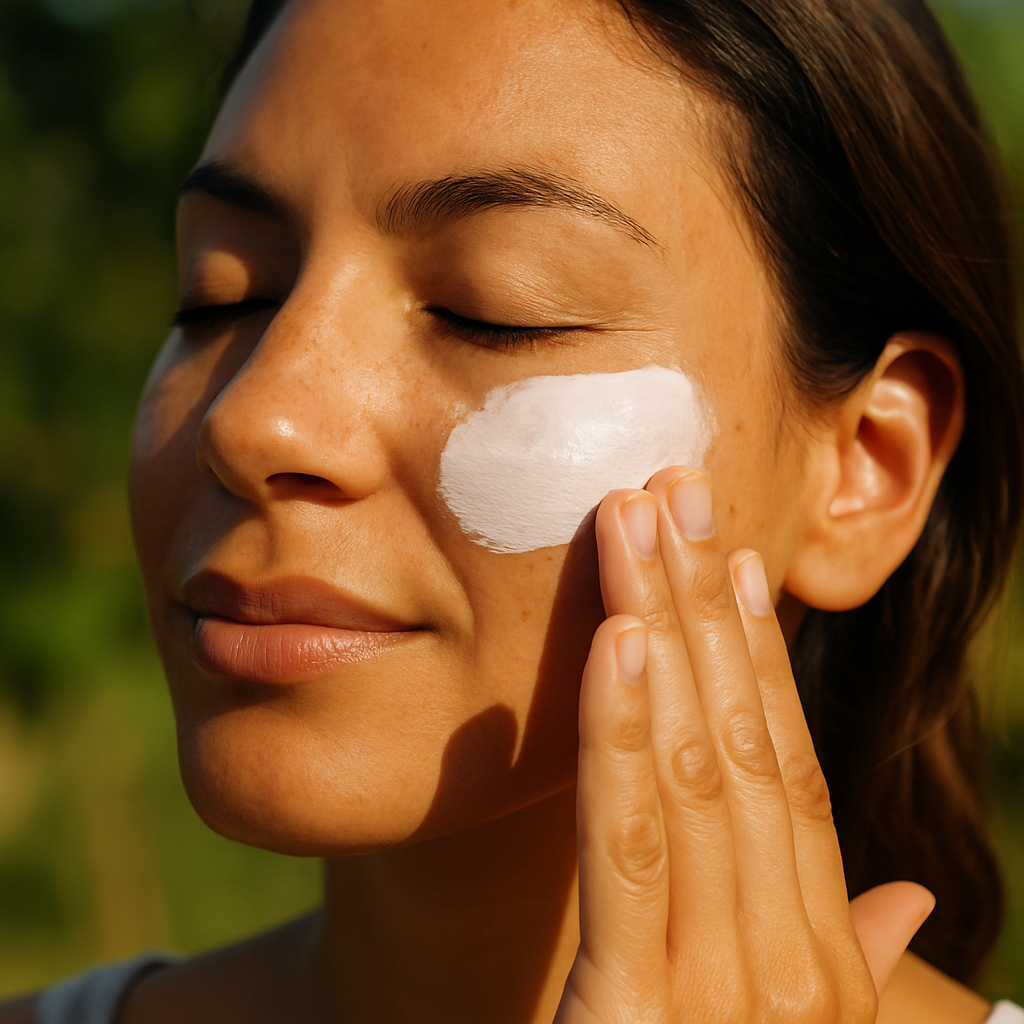
And here’s a tip you might not hear often: the way you apply your sunscreen matters just as much as what’s in it. Dermatologists recommend using about a teaspoon for your face alone and reapplying every two hours if you’re outside. It might seem like a hassle, but those dark patches won’t give up without that kind of dedication.
Why not just trust any high SPF? Because high spf doesn’t always mean broad coverage against the specific rays melasma responds to. Plus, chemical sunscreens can sometimes cause irritation or allergic reactions, which might backfire and worsen pigmentation. That’s why mineral options are usually preferred for melasma. And if you want to get real about protecting your skin, coupling your sunscreen with other sun-smart habits—like wearing wide-brimmed hats and seeking shade—makes a huge difference too.
Wondering how effective sunscreen can be alone? A study published in the Indian Journal of Dermatology found that using a broad-spectrum sunscreen with SPF 19 alone improved melasma significantly over 12 weeks, both on clinical evaluation and quality of life measures. That tells us sunscreen isn’t just a sidekick—it can be a frontline treatment piece according to research. Of course, pairing it with other treatments your skin care expert recommends helps even more.
And if you want to dive deeper into what causes melasma and why certain sunscreens matter, Harvard Medical School offers a great overview of melasma’s triggers and treatments, breaking down the tricky science into accessible info you can use day-to-day.
At the end of the day, choosing the best sunscreen for melasma is about recognizing that this skin condition isn’t one-size-fits-all. You need a product tailored to how melasma reacts to light and hormones. So don’t settle for the convenient bottle on the drugstore shelf—dig a little deeper, check ingredients, and commit to a sunscreen ritual that suits your skin and life.
Because honestly? With the right sunscreen, melasma becomes a whole lot more manageable. It’s not magic—it’s smart, consistent defense. And you’re totally capable of making it part of your daily routine.
Key Ingredients to Look for in Sunscreens for Melasma
Let’s be honest: when you’ve been battling melasma, picking a sunscreen feels like walking through a maze. There are tons of options screaming for attention, but what really matters is what’s inside the bottle. Because let’s face it—that’s where the magic (or the disappointment) actually happens.
So, what ingredients should you be hunting for? It’s not just about the SPF number slapped on the front. The best sunscreen for melasma has a lineup of key players that work together to shield your skin from the sun’s sneaky triggers.
Mineral blockers: Zinc Oxide & Titanium Dioxide
First up: mineral sunscreens, with zinc oxide and titanium dioxide leading the charge. Think of them as tiny mirrors your skin wears. Instead of soaking up UV rays like a sponge, they bounce the harmful light away—physically blocking both UVA and UVB rays.
Why does this matter? Because melasma isn’t just triggered by one kind of light. It’s sensitive to a whole spectrum, and mineral blockers provide a broad defense. Also, they tend to be gentler on sensitive or already irritated skin, which is common with melasma. So if your skin screams “ouch” after chemical sunscreens, minerals might be your calm in the storm.
Iron Oxide: The visible light defender
Ever heard of visible light messing with your melasma? I’m talking about blue light—yes, the stuff from your phone, computer, and, of course, the sun. It’s a bit of a bully, making pigmentation worse.
Here’s where iron oxide steps in. It’s that reddish pigment that gives tinted sunscreens their color, but it’s way more than makeup flair. Iron oxide actually blocks high-energy visible (HEV) light, the very blue light that can reignite those stubborn patches. Wearing a tinted sunscreen with iron oxide doesn’t just protect—it camouflages, too. Win-win, right?
Experts highlight iron oxide as a game changer in managing melasma, especially if you spend a lot of time indoors near windows or staring at screens.
Broad-spectrum protection: More than just UVB
You’ll often see “broad-spectrum” plastered on sunscreen bottles. But what does that even mean for melasma? In simple terms, it means your sunscreen blocks both UVA and UVB rays. UVA penetrates deeper into skin layers and quietly triggers pigment production, while UVB is the usual culprit behind sunburn.
Broad-spectrum defense is non-negotiable because melasma responds to both. Choosing a sunblock without it? You might as well bring a sieve to a rainstorm.
SPF 50 or higher: Don’t skimp here
Now, SPF 30 might sound tempting, especially when it’s easier to find or feels lighter. But for melasma, going high with SPF 50 or above isn’t just about blocking sunburn—it’s about seriously keeping those rays from poking at your pigment cells. Remember when we talked about visible light? Well, the stronger the barrier, the better your defense system.
If you want the nitty-gritty, board-certified dermatologists recommend this SPF level for melasma patients to reduce flare-ups effectively.
Antioxidants: The extra layer of armor
Here’s something that might surprise you. Some sunscreens pack antioxidants like vitamin C or green tea extract. Why? Because they tackle the invisible damage that sunlight and pollution cause inside your skin cells—those free radicals that fuel inflammation and pigment overproduction.
Consider antioxidants like your sunscreen’s sidekick, reinforcing protection from the inside out. They’re not a must-have but if your sunscreen includes them, you’re giving your skin a little love boost.
Does this all sound like a complex science experiment? Hang tight—it gets simpler when you focus on habits, but having the right ingredients definitely tilts the odds in your favor.
Why chemical ingredients alone aren’t the whole story
You might’ve heard skeptics call out chemical sunscreens like avobenzone or oxybenzone. Truth is, these ingredients absorb harmful UV rays and convert them to heat. Some people find chemical sunscreens irritating, but they do play a role, especially when paired with mineral blockers in hybrid formulas.
Still, for melasma, mineral sunscreens with broad coverage and iron oxide tinting consistently stand out for their specific benefits. It’s like choosing the right tool for the job instead of a one-size-fits-all approach.
So, what’s your next move?
Look for sunscreens that list zinc oxide, titanium dioxide, and iron oxide among their ingredients. Tinted mineral sunscreens are your best friends in the fight against melasma flare-ups. Don’t just chase the SPF number—make sure the formula blocks visible light and UVA rays too.
And here’s a quick tip from dermatology pros: applying enough sunscreen is just as important as having the right ingredients. That means about a teaspoon for your face alone and reapplying every two hours when you’re out and about.
Want to see how these ingredients work together in real life? Check out this video that breaks down the sunscreen must-haves for melasma, so you know exactly what to look for next time you’re shopping.
Top 5 Best Sunscreens for Melasma: An In-Depth Review
If you’ve been battling melasma, you know that picking the right sunscreen feels like trying to find a needle in a haystack. It’s not just about slapping on any SPF; it’s about choosing a formula that actually understands your skin’s unique needs.
So, what makes a sunscreen truly great for melasma? It’s all about broad-spectrum protection that covers UVA, UVB, and visible light—especially the tricky blue light—and minerals like zinc oxide and titanium dioxide, plus iron oxide to block that visible light that can worsen pigmentation.
Here’s the deal: not all sunscreens are created equal, and if you want to keep melasma at bay (or help fade those spots), you need to be picky. Let’s break down the top 5 best sunscreens you can trust, backed up by the science and some real talk on why they work.
1. EltaMD UV Clear Broad-Spectrum SPF 46
If your skin is reactive or acne-prone, this is a hero product. It’s formulated with zinc oxide but doesn’t feel heavy or greasy. Plus, it includes niacinamide, which is great for calming inflammation—super important because inflammation can trigger melasma flare-ups.
What really seals the deal is that it’s lightweight enough to layer under makeup without ghosting or clogging pores. It’s recommended often by dermatologists for melasma because it covers UVA and UVB rays while being gentle enough for sensitive skin.
2. La Roche-Posay Anthelios Mineral Tinted Sunscreen SPF 50
This one’s a classic tinted mineral formula packed with zinc oxide, titanium dioxide, and iron oxides. The tint does double duty—it protects against visible light and camouflages dark patches, lessening the emotional toll melasma can take.
Its water-resistant formula means it holds up even if you’re out for longer periods, so you’re truly shielded. And the added antioxidants offer a little bonus defense against environmental damage.
3. Colorescience Sunforgettable Total Protection Brush-On Shield SPF 50
Here’s a sunscreen that’s unlike your everyday cream. It’s a mineral powder packed with zinc oxide and iron oxides designed to be reapplied over makeup or on the go—which is cool because reapplying regularly is key in managing melasma.
This one feels almost weightless, and since it’s tinted, it blocks visible light too. Perfect for those days when you want to touch up sun protection without going full skincare mode again.
4. Blue Lizard Australian Sunscreen Sensitive SPF 50+
Don’t let the straightforward packaging fool you. This mineral sunscreen is a beast against UV rays with 10% zinc oxide and 5% titanium dioxide. It’s fragrance-free and paraben-free, great if you’ve got super sensitive or irritated skin prone to melasma flare-ups.
It’s not tinted, so if iron oxide is a must-have for your routine, you might layer a tinted moisturizer over top. But if irritation is your top concern, Blue Lizard keeps things simple and effective.
5. SkinCeuticals Physical Fusion UV Defense SPF 50
This one strikes a balance—tinted, mineral-based, with zinc oxide providing broad-spectrum coverage. The tint works overtime blocking visible light, and it has a silky texture that blends seamlessly without that chalky finish mineral sunscreens sometimes have.
It’s a bit of an investment, but many patients swear by how well it helps manage their melasma when applied consistently.
Wondering if one of these sunscreens might change your melasma game? Here’s the big takeaway: the best sunscreen for melasma isn’t just about SPF numbers; it’s about that broad spectrum of protection, including visible light blockers like iron oxide, plus an ingredient list that respects your skin’s sensitivity.
And here’s a small reality check: no sunscreen alone will erase melasma, but using the right one daily can dramatically reduce flare-ups and keep your skin’s tone more even. Remember how we said you need roughly a teaspoon for your face? Don’t skimp, and don’t forget to reapply every two hours if you’re outside. Consistency is the magic ingredient.
Need a quick reference? Check out this side-by-side of these top contenders to see what fits your lifestyle and skin type best.
| Sunscreen | Key Ingredients | Benefits for Melasma |
|---|---|---|
| EltaMD UV Clear SPF 46 | Zinc Oxide, Niacinamide | Gentle on sensitive skin, reduces inflammation, broad-spectrum UVA/UVB |
| La Roche-Posay Anthelios Mineral SPF 50 | Zinc Oxide, Titanium Dioxide, Iron Oxide | Tinted for visible light protection, camouflages pigmentation, water-resistant |
| Colorescience Sunforgettable SPF 50 | Zinc Oxide, Iron Oxides | Powder form for easy reapplication, tinted, lightweight |
| Blue Lizard Australian Sunscreen SPF 50+ | Zinc Oxide, Titanium Dioxide | Fragrance-free, ideal for ultra-sensitive skin, strong UV protection |
| SkinCeuticals Physical Fusion UV Defense SPF 50 | Zinc Oxide, Iron Oxide (Tinted) | Tinted, smooth application, blocks visible light, broad spectrum |
Of course, your best bet is to chat with a knowledgeable skincare pro who can guide you based on your unique melasma triggers and skin type. But hey, having this shortlist makes stepping into a store or browsing online a little less overwhelming, right?
Remember, choosing the best sunscreen for melasma is less about perfection and more about commitment. Pick one you enjoy wearing—that’s half the battle won.
Want to dig even deeper into why these ingredients matter so much? Harvard’s detailed insight on melasma treatments and sun protection is a great resource. And if you’re curious about the role of visible light and UV in pigmentation, the thorough review on photoprotection in this open access journal article breaks it down nicely.
Finally, remember: embracing the best sunscreen for melasma is less about a magic fix and more about daily armor. If you keep that consistent, your skin will thank you—day in, day out.
How to Apply Sunscreen Correctly for Maximum Melasma Protection
Okay, so you’ve got your hands on the best sunscreen for melasma—now what? Applying it right is where most of us stumble. It’s like owning the perfect umbrella but leaving it in the car when it pours. You can’t expect to stay dry if you don’t actually open it.
First off, quantity matters. Yep, that teaspoon-sized dollop for your face isn’t just a suggestion, it’s the amount that dermatologists agree covers your skin adequately. And don’t just swipe it all over—you want even coverage from hairline to jawline, around your ears, down your neck, and don’t forget the tops of your feet if they’re going to see some sun.
Here’s a little trick: apply sunscreen to dry skin 15 minutes before stepping outside. It gives the formula that little head start to settle and form a proper shield. Slapping it on moments before heading outdoors might leave you a bit vulnerable. Think of it like letting paint dry before heading out in the rain.
Wondering about reapplication? It can feel like a chore, but if you’re out and about, it’s your secret weapon against melasma flare-ups. Every two hours is the golden rule, especially after swimming or sweating. Invisible rays sneak in when sunscreen thins out, so keep that defense line strong.
Not all application methods are created equal, either. Lotions and creams are perfect for face and dry skin, while sprays might seem easier but can be tricky to apply evenly. If you love sprays, just spray until your skin glistens and then rub it in. This way, you avoid missing spots and get better protection overall.
Also, if you’re fighting melasma, go for a tinted mineral sunscreen with iron oxide—that tint does double duty by blocking visible light that can worsen dark spots and by camouflaging those spots a bit. And yes, layering a tinted sunscreen under makeup is not just doable; it’s encouraged.
Wait, what about vitamin D? If you’re worried that slapping on sunscreen all day might zap your vitamin D, you’re not alone. But studies show that using a high-SPF sunscreen on your face, consistently and correctly, doesn’t significantly affect your vitamin D levels—at least for most people. So no need to freak out, but chatting with your doc is a smart move if you have concerns. This study dives into the details if you want to geek out.
A quick checklist for your next sunny day:
- Apply about a teaspoon of broad-spectrum, tinted mineral sunscreen to your face and neck.
- Make sure your skin is dry before application; get that perfect shield in place 15 minutes ahead of time.
- Apply generously everywhere exposed: ears, neck, tops of feet, even scalp if you don’t have much hair.
- Reapply every two hours or immediately after swimming or heavy sweating.
- Consider layering under makeup if you want extra coverage and light camouflage.
Want more proof on why it’s a must to be consistent and generous? The American Academy of Dermatology offers a solid resource packed with sun protection basics and practical advice that really can give your skin a fighting chance.
So yeah, applying sunscreen isn’t just about slapping on a quick layer. It’s a routine, a commitment—almost like that morning cup of coffee, but for your skin’s health. And if you nail it, melasma doesn’t stand a chance at flaring up every time you step outside.
Lifestyle and Additional Skincare Tips to Manage Melasma
Dealing with melasma feels a bit like trying to tame a wild garden—you get the main plants under control (hello, sunscreen!), but the weeds keep popping up if you don’t watch your whole environment. That’s exactly why beyond sunscreen, your lifestyle and skincare habits play a big role.
First off, have you noticed melasma tends to flare during stress or hormonal shifts? You’re not imagining things. Stress hormones can ramp up melanin production, making those pesky patches darker. So managing stress isn’t just good for your sanity — it might actually help your skin chill out.
Think about those sunny days when you’re outdoors longer than planned. Beyond reapplying sunscreen, wearing protective clothing like wide-brimmed hats and UV-blocking sunglasses can make a huge difference. After all, sunscreen isn’t a magic shield—it’s your frontline layer in a full defense system.
Now, let’s talk routine. Your skin loves a gentle touch, but it also thrives on consistency. Have you tried adjusting your cleansing habits? Using a mild, fragrance-free cleanser is key because rough scrubs or irritating soaps could stir up inflammation, and that’s a known trigger for hyperpigmentation worsening.
Moisturizing? Absolutely non-negotiable. A hydration boost not only supports your skin barrier, making it more resilient, but certain moisturizers also help enhance the effects of your melasma treatments. Look for creams with ingredients like niacinamide to soothe inflammation and protect pigmentation balance.
And here’s a curveball: blue light from your phone and computer screens can sneak under your radar but might contribute to melasma’s stubbornness. Crazy, right? That’s why the best sunscreen for melasma often includes iron oxides—they help block visible light too, making your sunscreen a real multitasker. It’s worth double-checking your formula for that feature if you’re glued to screens a lot.
Ever heard of those “tyrosinase inhibitor holidays”? Basically, your skin gets a bit used to certain lightening ingredients after a while, so dermatologists often recommend cycling your skincare products. You go all in for a few months, then switch to gentler maintenance products to keep your skin responsive without irritation. It’s like giving your skin a breather to stay fresh and fight back better.
Wondering if diet matters here? While no miracle foods zap melasma away, a balanced diet rich in antioxidants and vitamins supports overall skin health. Foods with vitamin D, like oily fish or eggs, are especially helpful. Keeping your immune and endocrine systems happy indirectly supports clearer skin.
Oh, and don’t underestimate sleep. That’s when your body repairs and rebalances hormones. Poor sleep means more stress and inflammation, both unwanted guests at the melasma party.
Still curious about protecting your skin from all angles? You can check out this comprehensive overview of melasma management from the Cleveland Clinic—a great resource with science-backed tips you can trust.
Also, if you want a deeper dive into crafting a tailored skincare regimen to keep those dark spots in check without overloading your skin, this guide on the best skincare routine for melasma breaks down product choices by skin type and stage of treatment.
So, what’s the takeaway? Sunscreen’s your MVP, no doubt. But layering on smart lifestyle habits—stress management, protective clothing, gentle skincare, mindful product cycling, nutritious eating, and getting good rest—turns you from a BYSTANDER into a true partner in managing melasma. It feels manageable when you own these areas, one small change at a time.
Here’s a tiny challenge: pick one lifestyle habit from this list to tune up this week. Maybe it’s swapping your cleanser or scheduling 10 minutes for calm meditation. Small wins add up, and your skin—and mood—will thank you.
Frequently Asked Questions About the Best Sunscreen for Melasma
So you’ve been diligent about sunscreen but melasma still feels like a stubborn guest that won’t leave. Sounds familiar? Let’s unwrap some common questions that come up when you’re hunting for the best sunscreen for melasma. Because honestly, sunscreen isn’t one-size-fits-all here.
What makes a sunscreen the ‘best’ for melasma?
Great question. It’s not just about high SPF—though that’s essential. You’re looking for a broad-spectrum sunscreen (blocks UVA and UVB rays) with mineral ingredients like zinc oxide or titanium dioxide. Why minerals? They sit on top of your skin, creating a physical barrier without irritating your sensitive spots.
Also, look for sunscreens with tinted formulas. The tint usually includes iron oxides, which block visible light—this sneaky type of light can worsen melasma but often flies under the radar in regular sunscreens.
Can I use chemical sunscreens if I have melasma?
Maybe. Chemical sunscreens absorb UV rays but sometimes trigger sensitivity or irritation, which can worsen pigmentation. Tough spot, right? Many with melasma find mineral sunscreens gentler and more effective for long-term use. But skin varies—test small areas first or chat with a dermatologist to see what your skin loves.
How often should I reapply sunscreen during the day?
This is where people get lazy, and melasma takes advantage. Plan to reapply every two hours, especially if you’re outdoors, sweating, or swimming. Imagine your sunscreen like a flashlight beam that dims over time—without topping it up, the dark spots get a sneak peek of sunlight.
What if I’m indoors most of the day? Do I still need sunscreen?
Here’s the kicker: even indoors, your skin faces blue light from screens and windows letting in UVA rays. That means yes, wearing a tinted mineral sunscreen daily is a smart move. It’s like having an umbrella indoors for when you accidentally step outside.
Will sunscreen alone clear my melasma?
Nope, sunscreen is a star player but not a solo act. Managing melasma well means a combo of sunscreen, gentle skincare, stress management, and sometimes professional treatments. Think of sunscreen as the baseline defense; everything else layers on top.
Is it okay to wear makeup over my sunscreen?
Absolutely! In fact, tinted mineral sunscreens work beautifully under makeup and can even double as a light foundation, camouflaging dark spots. Just make sure to apply sunscreen first, give it a few minutes to set, then go in with your makeup.
How do I pick a sunscreen that won’t clog my pores or cause breakouts?
Look for labels that say “non-comedogenic” and “fragrance-free.” Since irritated skin can fuel melasma flare-ups, you want formulas that play nice with your skin type—whether that’s oily, dry, or combo. Lightweight creams or lotions usually win here. Spray sunscreens? They’re convenient but require more care to avoid missed spots.
Still feeling overwhelmed? Taking it one step at a time works best. Start by switching to a broad-spectrum tinted mineral sunscreen daily and layering in good habits from there. Your skin’s going to notice the difference—and so will you.
Conclusion
Dealing with melasma isn’t just about slapping on sunscreen and calling it a day. It’s more like a daily dance—one where you balance protection, gentle care, and lifestyle tweaks to keep those stubborn dark patches at bay.
Think of the best sunscreen for melasma as your skin’s trusty shield. But without the right habits—like managing stress, choosing gentle skincare, and protecting yourself from all kinds of light—it’s like bringing only half your armor to a battle.
Maybe you’ve felt stuck, wondering if all this effort even makes a difference. Here’s the truth: it does, but it takes time. Your skin needs consistency. It responds best when you treat it kindly and stay committed, even on those days when progress seems slow.
So, what’s a simple move you can try today? Start by picking one new habit—wearing a wide-brimmed hat, swapping to a non-comedogenic cleanser, or setting reminders to reapply your tinted mineral sunscreen every couple of hours. Little wins like these build up faster than you think.
And if your melasma feels like it’s still winning after trying all this, don’t hesitate to reach out for professional options. Clinics like Simcoe Cosmetic Clinic specialize in personalized care that can really shift the needle.
Remember, your skin’s journey with melasma is uniquely yours. With a little patience, the right tools, and some TLC, you can get closer to clearer, more confident skin every day.