Many people celebrate the incredible achievement of significant weight loss, yet soon face an unexpected challenge: loose or sagging skin. This common concern can feel discouraging after the hard work and dedication invested in shedding pounds. But what causes this loose skin, and more importantly, how to tighten loose skin after weight loss effectively?
When you lose weight rapidly or in large amounts, your skin often struggles to keep up. Skin elasticity—our skin’s ability to bounce back—depends largely on collagen and elastin fibers. Over time, factors such as age, genetics, sun exposure, and the amount of weight lost can influence how well your skin adjusts to your new shape. This means that, for some, loose skin becomes a visible reminder of their journey, affecting confidence and comfort.
So, is all hope lost when it comes to recovering firmer, smoother skin? Absolutely not. There are multiple approaches to addressing loose skin that range from natural remedies to advanced cosmetic treatments. Incorporating proper skincare, hydration, and targeted exercises can help improve your skin’s tone and elasticity. Moreover, non-surgical options like radiofrequency therapies or microneedling can stimulate collagen production, helping your skin regain its firmness.
Understanding the science behind your skin’s response and exploring tailored solutions is key. At Simcoe Cosmetic Clinic, we offer a variety of innovative treatments to assist clients in achieving tighter, rejuvenated skin without surgery. For a deeper insight into skin health and treatments available, check out our essential guide to skin tightening in Barrie.
Embarking on the path to tighten loose skin after weight loss is a journey of patience and commitment. Curious about how to start or which options suit your unique needs? Let’s dive in and explore practical and effective strategies to help you love your skin as much as your progress.
TL;DR: Quick Overview on How to Tighten Loose Skin After Weight Loss
Tightening loose skin after weight loss involves combining targeted exercises, proper hydration, and nourishing skincare routines to boost elasticity. For enhanced results, consider non-surgical treatments like radiofrequency or microneedling that stimulate collagen production. Patience and consistency are key to restoring firmness and confidence.
Step 1: Improve Skin Elasticity Through Targeted Exercise
After successfully losing weight, you may find yourself facing the challenge of loose skin — an all-too-common concern that can temper your excitement. But what if the way forward involves not just skincare products or treatments, but also harnessing the power of movement? Learning how to tighten loose skin after weight loss begins with a targeted exercise regimen designed to rebuild your skin’s natural resilience and restore its youthful firmness.
Why Exercise Matters for Skin Elasticity
Loose skin after weight loss results primarily from your skin’s diminished ability to retract due to reduced collagen and elastin — the two key proteins that maintain skin strength and elasticity. Rapid or significant weight loss can stretch the skin beyond its capacity to bounce back, resulting in sagging. Fortunately, targeted exercise helps address this by building muscle mass underneath the skin, essentially filling in the space left by lost fat and providing natural support that smooths and tightens the skin’s appearance.
Moreover, regular physical activity increases blood circulation, delivering vital oxygen and nutrients to skin cells. This enhanced flow stimulates collagen and elastin synthesis, accelerating skin repair and improving tone. Exercise also reduces stress, which can otherwise inhibit collagen production due to elevated cortisol levels.
Focus on Strength Training Over Cardio
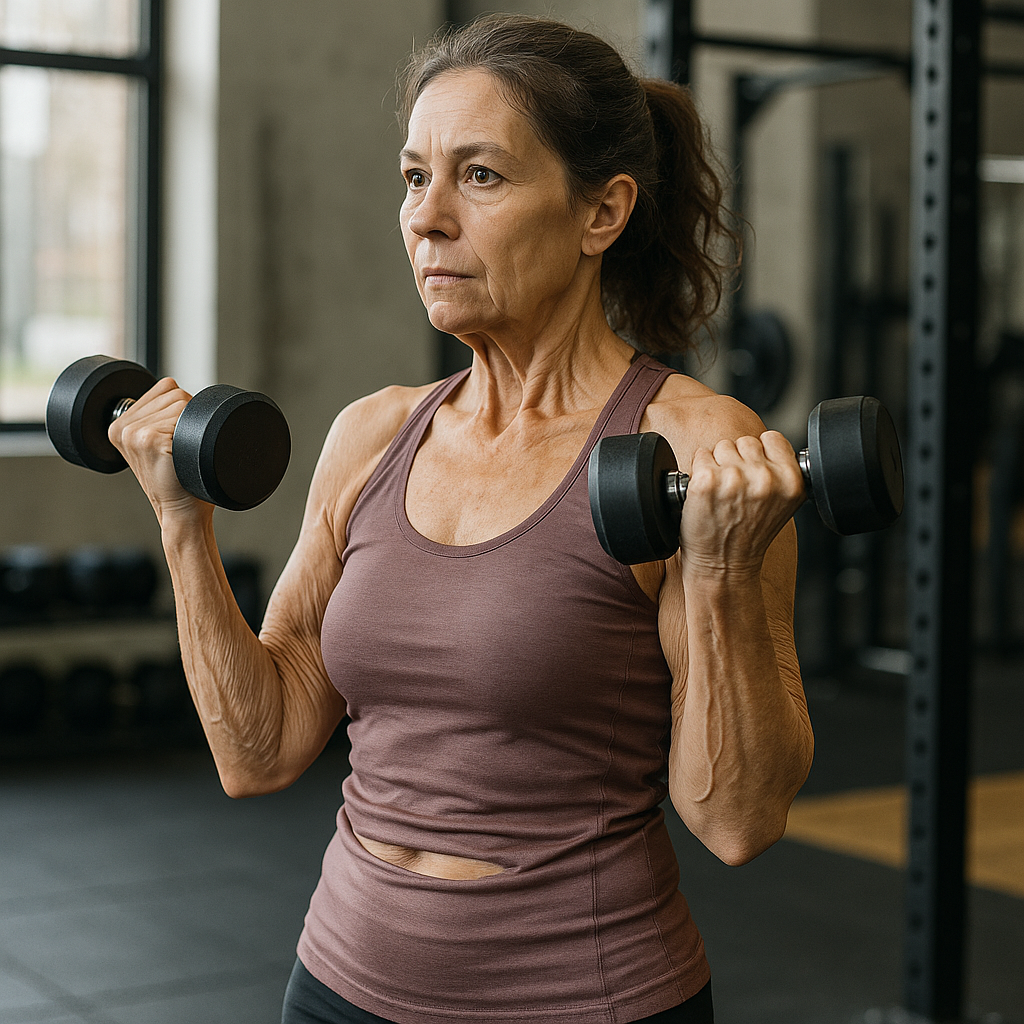
While aerobic exercises have numerous health benefits, strength training is the cornerstone when it comes to tightening skin after weight loss. Resistance exercises cause microscopic muscle fiber damage that the body repairs by rebuilding stronger and thicker muscles — a process called hypertrophy. These bigger, firmer muscles push gently against loose skin, diminishing its sagging look and improving overall body contour.
In fact, research published in a recent study on resistance training and skin aging highlights how resistance training not only boosts muscle mass but also increases dermal thickness and improves skin elasticity by enhancing extracellular matrix components like collagen. This emphasizes its unique role beyond weight control, directly rejuvenating aging skin.
Target Multiple Muscle Groups for Better Results
When devising your targeted exercise routine, prioritize compound movements that engage multiple muscle groups simultaneously. Exercises such as squats, lunges, deadlifts, push-ups, and rows are excellent starting points. Here’s a simple template to follow:
- Day 1: Full-body strength training focusing on major muscle groups (legs, back, chest, core)
- Day 2: Rest or light activity such as gentle walking or yoga
- Day 3: Strength training with added focus on arms and shoulders
- Day 4: Rest or active recovery
- Day 5: Core and lower body strengthening exercises
- Days 6 and 7: Rest and recovery
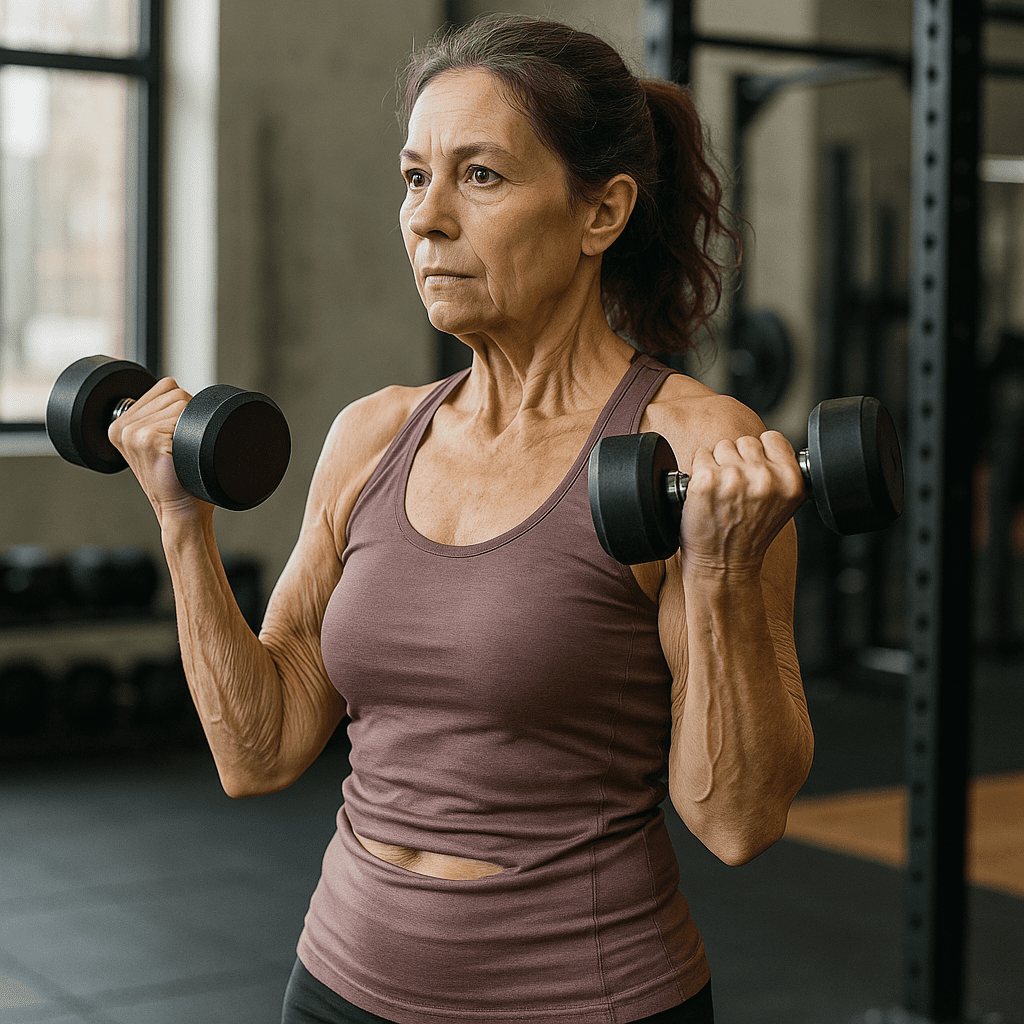
Adjust the routine to prioritize areas where loose skin is most noticeable, such as the abdomen, arms, or thighs. Strengthening the underlying muscles in these regions offers added support to the skin. For instance, for tightening the arms, tricep dips and bicep curls can be highly effective.
Practical Tips for Safely Building Muscle Under Loose Skin
- Start slow: Begin with lighter weights or resistance bands, gradually increasing the intensity to avoid injury and excessive soreness.
- Master your form: Proper technique is crucial for maximizing results and minimizing strain. Don’t hesitate to consult fitness professionals or use reputable online tutorials to guide you.
- Incorporate warm-ups and cool-downs: These help prepare your muscles for training and reduce the risk of injury.
- Consistency is key: Give yourself months to see noticeable changes. Skin remodeling and muscle growth take time, especially when targeting skin elasticity.
Nutrition and Hydration Amplify Exercise Benefits
Exercise alone won’t fully restore your skin’s elasticity if your nutrition doesn’t support it. Protein intake is vital for muscle repair and collagen production, so focus on including lean meats, legumes, and dairy in your diet. Additionally, vitamins C and E, zinc, and omega-3 fatty acids support skin repair and hydration.
Stay well-hydrated. Water consumption facilitates nutrient transport, improving skin moisture and suppleness — essential factors in skin tightening after weight loss. Keep in mind, foods with high water content like cucumbers and watermelon also contribute significantly to your hydration.
For a deeper understanding of practical exercises to manage loose skin after weight loss, you can explore detailed guidance on Mia Aesthetics’ page about exercises for loose skin after weight loss.
Finally, while targeted exercise is a powerful natural approach to improving skin elasticity, it is one part of a comprehensive strategy. At Simcoe Cosmetic Clinic, we offer expert advice and tailored solutions that complement your efforts to look and feel younger, including non-surgical skin tightening treatments. Combining your fitness efforts with professional care ensures the best possible outcome on your journey toward firmer, healthier skin.
Step 2: Adopt Skin-Nourishing Diet and Hydration Habits
After understanding the importance of collagen and muscle repair for skin tightening, the next crucial step is adopting a diet and hydration routine that truly supports your skin’s return to its firmer, healthier state. Have you ever wondered why some people’s skin bounces back after weight loss while others are left with loose, sagging skin? Much of the answer lies beneath the surface—in the nutrients we feed our skin and the hydration habits we maintain daily.
Eat to Nourish Your Skin From Within
Your skin is a living organ that requires specific nutrients to sustain its elasticity and repair capabilities. Incorporating foods rich in protein, especially those high in amino acids like glycine and proline, is vital since these building blocks directly contribute to collagen synthesis. Lean meats, dairy, legumes, and plant-based proteins such as edamame and quinoa provide these essentials. But protein alone isn’t enough.
Vitamin C, a powerful antioxidant, is fundamental because it helps synthesize collagen and protects your skin from oxidative stress. Add a colorful variety of fruits and vegetables like oranges, strawberries, kiwis, and bell peppers to your meals, ensuring you meet the daily vitamin C requirement for healthy skin maintenance. WebMD highlights the critical role of vitamins C and E, zinc, and omega-3 fatty acids in skin repair and hydration.
Omega-3 fatty acids found in salmon, walnuts, flaxseeds, and chia seeds aid in strengthening your skin’s barrier, reducing inflammation, and promoting a supple complexion. Zinc supports cellular repair and regeneration, so don’t forget to include nuts, seeds, and whole grains in your diet.
Hydration: The Unsung Hero for Skin Tightening
Water makes up about 64% of your skin’s structure. Staying well-hydrated is indispensable when aiming to tighten loose skin after weight loss. Hydration allows nutrients to be transported efficiently to skin cells and maintains skin moisture and elasticity. But how much water should you drink?
Health experts suggest consuming at least 2 liters (about 8 cups) of water daily, adjusting for factors like climate and physical activity. Remember, water-rich foods such as cucumber, watermelon, and celery supplement your hydration efforts and provide additional vitamins and antioxidants.
Older adults especially should be mindful, as hydration needs can increase with age while thirst perception diminishes. The National Institutes of Health discusses how adequate water intake supports skin thickness and density, though it alone cannot reverse wrinkles or sagging caused by other factors.
Practical Tips for Skin-Nourishing Eating and Drinking Habits
- Plan balanced meals: Include a source of protein, healthy fats, and vitamin-rich vegetables at every meal.
- Snack smart: Choose nuts, seeds, or a fruit-rich yogurt over processed snacks to support skin nutrients.
- Hydrate consistently: Set reminders to drink water throughout the day; avoid waiting until you feel thirsty.
- Limit diuretics: Reduce excess caffeine and alcohol intake as they can dehydrate the skin.
- Prepare meals ahead: Keep chopped fruits and vegetables ready to encourage nutrient-rich snacking.
Lastly, while diet and hydration form the foundation, they work best alongside other skin care practices and exercises discussed in other steps. By fueling your body with nutrient-dense foods and keeping your skin hydrated, you dramatically improve your chances of seeing your skin regain elasticity and firmness naturally.
For personalized guidance tailored to your skin’s needs after weight loss, consider consulting with experts at Simcoe Cosmetic Clinic, who provide holistic advice combining nutrition, hydration, and advanced cosmetic treatments optimized for your skin’s rejuvenation journey.
Step 3: Utilize Topical Treatments and Skin Care Regimens
After embracing nourishing foods and hydration, the next pivotal step in learning how to tighten loose skin after weight loss is incorporating targeted topical treatments and comprehensive skin care regimens. These methods nurture your skin directly, enhancing its elasticity and firmness by stimulating collagen and elastin production while deeply moisturizing and protecting the skin’s surface.
Why Topical Treatments Matter
Loose skin results largely from decreased collagen and elastin—two key proteins responsible for skin’s bounce and strength. While internal nutrition supports their production, applying active ingredients directly to the skin can jumpstart repair from the outside in. This dual approach is essential to maximize skin tightening and restore youthful resilience after weight loss.
Effective Natural Oils and Their Benefits
Natural oils are some of the most accessible and research-backed topical treatments for improving skin tone and elasticity. Oils like coconut, olive, and almond oil are rich in antioxidants, vitamins, and fatty acids that hydrate deeply and promote skin regeneration.
- Coconut oil provides medium-chain fatty acids and vitamin E, which hydrate and protect the skin while stimulating collagen synthesis.
- Olive oil contains polyphenols and vitamin E, assisting in skin cell regeneration and offering antioxidant defense against environmental damage.
- Almond oil’s vitamin E and fatty acids nourish and improve skin texture, making it a great choice for rough or sagging areas.
Regularly massaging these oils into affected areas enhances blood flow, enabling better nutrient delivery and collagen production. For maximum benefit, massage in upward circular motions for at least five minutes daily, focusing on problem zones like the abdomen, arms, and thighs.
Harnessing Aloe Vera and Herbal Remedies
Aloe vera gel is revered for its skin-tightening properties owing to its rich vitamin content (including vitamins A, C, and E) and amino acids that stimulate collagen and elastin fibers. Applying fresh aloe vera gel to loose skin areas can soothe, hydrate, and promote firmer skin over time. Leaving the gel on for 20 minutes before rinsing enhances absorption.
Other herbal topical treatments such as green tea extracts and cucumber masks also provide antioxidants and hydration. Green tea’s catechins help prevent collagen breakdown, while cucumber adds moisture and silica, a mineral important for collagen synthesis.
Incorporating Exfoliation and Serums
Exfoliating regularly with gentle scrubs, like coffee grounds mixed with coconut oil, removes dead skin cells and stimulates circulation, fostering new healthy skin growth and improved elasticity. The caffeine in coffee can also temporarily tighten and tone skin by encouraging blood flow.
Additionally, advanced serums containing firming ingredients can be integrated to enhance skin texture. For example, firming serums with resveratrol act as powerful antioxidants and collagen boosters while being gentle on sensitive skin. Their lightweight formulas penetrate quickly, preparing the skin to better absorb subsequent moisturizers.
Building a Routine: Consistency Is Key
One-time application of topical treatments won’t produce lasting results. The true power lies in daily or consistent application combined with massage to encourage circulation and collagen synthesis. Consider the following regimen for tightening skin:
- Cleanse skin gently twice daily to remove impurities without stripping moisture.
- Exfoliate 2–3 times weekly using natural scrubs to promote cell turnover.
- Apply targeted serums in the morning and evening, focusing on firming ingredients.
- Follow with moisturizing natural oils or creams rich in antioxidants.
- Massage each targeted area for 5–10 minutes to stimulate blood flow and elasticity.
Professional Guidance and Skin Care Products
For those seeking enhanced results, consulting with skincare professionals at a trusted medspa like Simcoe Cosmetic Clinic can provide personalized advice on topical products suitable for individual skin types and concerns. Professional-grade treatments often complement home regimens, maximizing skin tightening in a safe, non-surgical manner.
Ultimately, understanding how to tighten loose skin after weight loss involves combining internally supportive habits with diligent topical care. By consistently nourishing your skin with potent natural oils, soothing aloe vera, exfoliating scrubs, and targeted serums, you empower your skin’s natural healing mechanisms. These efforts—supported by expert guidance when needed—will help you reveal firmer, more youthful skin that truly reflects your hard-earned transformation.
Step 4: Explore Non-Surgical Professional Treatments
After establishing a consistent skincare routine and embracing effective home remedies, many wonder: what professional options exist to further improve skin firmness? Understanding how to tighten loose skin after weight loss often means exploring advanced, non-surgical treatments that can provide noticeable results without downtime or invasive procedures.
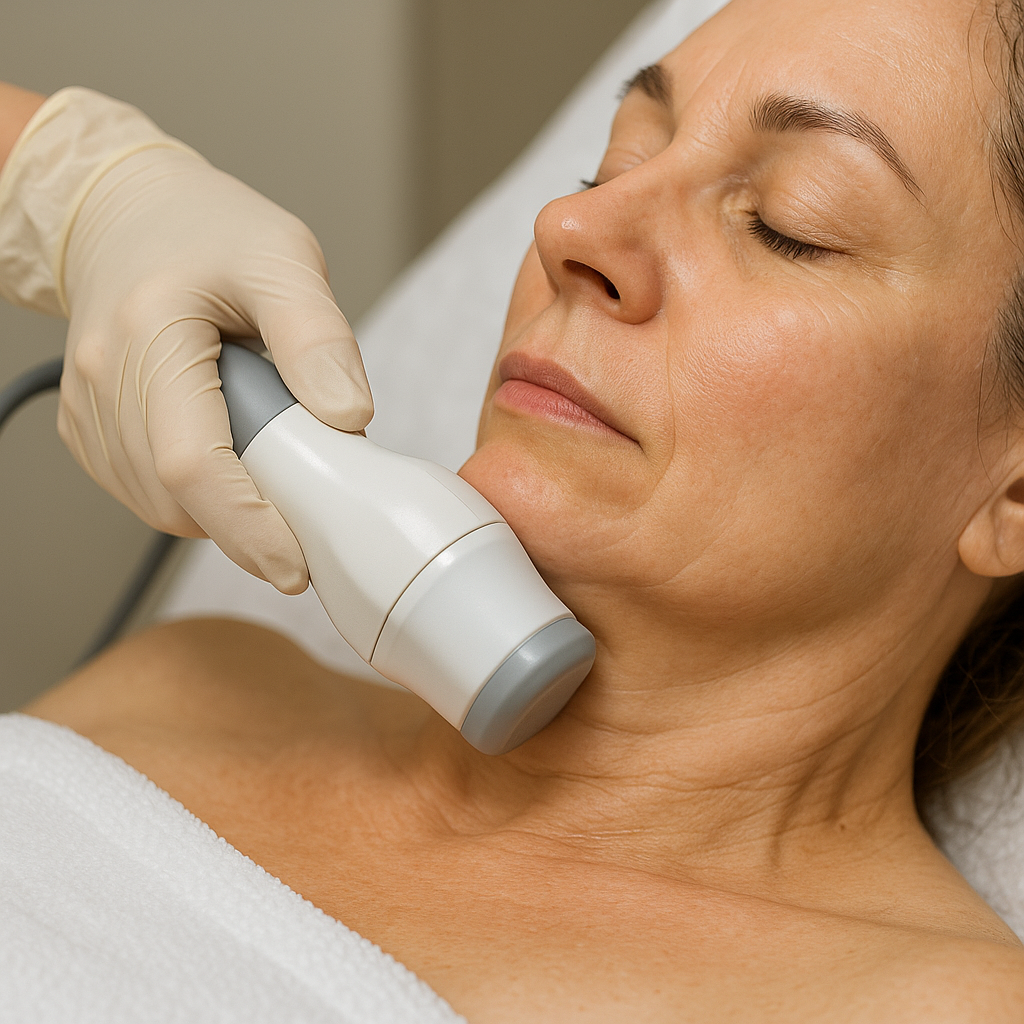
Non-surgical skin tightening leverages controlled energy—such as ultrasound, radiofrequency, or light—to penetrate the skin’s deeper layers, triggering your body’s natural collagen and elastin production. These proteins are essential for restoring skin’s elasticity and firmness, which are often diminished after significant weight loss.
Why Choose Non-Surgical Treatments?
Non-surgical procedures offer a great balance for those seeking more than topical care but who prefer to avoid the risks and recovery associated with surgery. They are typically well-tolerated, require minimal to no downtime, and can be customized to target specific areas such as the face, neck, abdomen, or arms.
At Simcoe Cosmetic Clinic, our medspa expertise ensures safe administration of these treatments tailored to your skin type and goals, supporting your journey to a younger, firmer appearance.
Popular Non-Surgical Skin Tightening Options
1. High-Intensity Focused Ultrasound (HIFU)
HIFU uses focused ultrasound waves that penetrate deep layers, including the SMAS (superficial musculoaponeurotic system) layer targeted in surgical facelifts. This stimulates tissue regeneration and collagen synthesis over time, leading to lifted and tightened skin.
One major advantage is its ability to reach depths up to 5mm beneath the surface, delivering a non-invasive mini facelift effect. It is especially beneficial for patients wanting long-lasting results with only occasional maintenance sessions. Research on HIFU shows an excellent safety profile and promising patient satisfaction according to expert cosmetic surgery resources.
2. Radiofrequency (RF) Therapy
RF therapy works by heating the dermal layers of the skin to stimulate collagen remodeling. Unlike HIFU, RF focuses more on the skin’s surface and mid-layer which can improve skin texture and brightness as it tightens.
Several branded RF treatments are widely recognized, such as Profound® RF, Thermage®, and Morpheus8®. These treatments provide cumulative skin tightening effects and can be more comfortable for patients sensitive to deeper energy penetration. RF therapy is recommended for mild to moderate sagging and is praised as a safe choice for ongoing skin maintenance per clinical aesthetic discussions.
3. Combination Treatments (IPL + RF)
Combining intense pulsed light (IPL) with RF energy allows treatment of broader skin concerns, from pigmentation to texture, alongside tightening. This dual-action approach targets both superficial irregularities and deeper collagen stimulation, offering a comprehensive skin rejuvenation session.
Devices such as Venus Versa® and VelaShape® utilize this technology to smooth cellulite, firm skin, and improve overall tone. These are excellent for patients wanting a versatile solution with visible, multi-faceted improvements according to non-surgical procedure reviews.
What to Expect During Treatment
Each session typically lasts between 30 and 60 minutes, depending on the size and number of areas treated. Most patients experience mild warmth or tingling sensations, with minimal discomfort and no recovery period.
Expect gradual improvements over weeks to months as collagen regenerates. Combining these treatments with your established skincare routine maximizes outcomes and supports vibrant, lifted skin.
Is Non-Surgical Skin Tightening Right for You?
These treatments are ideal for individuals with mild to moderate skin laxity who desire natural, progressive tightening without surgery. However, they may not substitute surgical lifts for significant excess skin.
A professional consultation at Simcoe Cosmetic Clinic will assess your skin’s condition and help you select the most effective treatment plan. Our experienced providers guide you through options to meet your aesthetic goals safely and comfortably.
Summary Table of Non-Surgical Treatment Options
| Feature | Option/Tool | Notes |
|---|---|---|
| Depth of Penetration | HIFU | Reaches deep layers (up to 5mm), targeting SMAS for lifting |
| Comfort Level | Radiofrequency (RF) | Milder sensation, focuses on mid to superficial skin layers |
| Multi-Concern Treatment | IPL + RF Combination | Treats pigmentation and texture alongside tightening |
Understanding the technologies and what they offer informs your choices on how to tighten loose skin after weight loss effectively. Professional non-surgical treatments are a powerful next step in your skin restoration journey, enhancing firmness and rejuvenation without surgery.
Step 5: When to Consider Surgical Options for Loose Skin
After exploring non-surgical treatments for loose skin, you might wonder: when is it time to consider surgical options? Understanding when surgery becomes the best choice can help you set realistic expectations and plan your skin-tightening journey effectively. Surgical procedures are typically reserved for cases where loose skin is significant and does not respond well to conservative or non-invasive treatments.
Identifying the Need for Surgery
Loose skin varies widely depending on factors like age, genetics, amount of weight lost, and skin elasticity. For individuals who have experienced substantial weight loss—especially over 100 pounds—loose, sagging skin often persists despite proper skincare, hydration, and non-surgical tightening procedures. If you notice large folds of skin that make it difficult to wear certain clothes, cause discomfort, or affect your confidence, it may be a sign that surgical intervention is necessary.
Perform a simple skin pinch test: if pinching the skin reveals a thick flap with very little underlying fat, this often indicates excess skin rather than just residual fat. Such skin typically won’t tighten on its own. In these cases, surgical body contouring might be the most effective solution.
Surgical Procedures for Loose Skin
Several surgery options are available depending on which areas bother you most and how much skin you want removed. Common procedures include:
- Tummy tuck (abdominoplasty): Removes excess belly skin and tightens abdominal muscles, improving midsection contour.
- Thigh lift: Targets sagging skin on the inner or outer thighs, especially after dramatic weight loss.
- Arm lift (brachioplasty): Removes loose, hanging skin under the arms.
- Body lift: A more comprehensive surgery that addresses multiple areas like hips, buttocks, and thighs.
- Breast lift: Lifts and reshapes sagging breasts which may accompany weight loss.
Often, patients undergo a combination of these surgeries staged over time to gradually sculpt their new body shape. Your surgeon will customize a treatment plan tailored to your goals and overall health.
Choosing the Right Candidate for Surgery
Not everyone with loose skin is an immediate candidate for surgery. Ideally, consider surgical options only after:
- You have maintained a stable weight for several months to a year
- Your overall health is good with no significant medical issues
- You do not smoke or are prepared to quit before and after surgery
- You have realistic expectations about outcomes and scarring
Consulting an experienced plastic surgeon at a trusted clinic like Simcoe Cosmetic Clinic ensures a thorough evaluation. They will assess your skin quality, tissue laxity, and discuss potential risks and benefits to help you make an informed decision.
Recovery and Results Expectations
Body contouring surgeries require downtime and a patient recovery period. While hospital stays vary by procedure, many involve some swelling, bruising, and discomfort for several weeks. Full healing and optimal skin tightening may take months, with noticeable improvements continuing over a year.
Despite the recovery time and surgical scars, many patients experience dramatic boosts in comfort, mobility, and self-confidence. Surgical removal of excess skin can also reduce skin irritation and rashes caused by folds.
Is Surgery Right for You?
If you’ve tried non-surgical methods and still struggle with significant loose skin that impacts your quality of life, surgery might be the right step. Reach out to specialists at Simcoe Cosmetic Clinic to explore options and receive expert advice tailored to your unique journey.
For additional insights on surgical approaches, see resources such as the Cleveland Clinic’s guide on excess skin removal and strategies to prevent loose skin after weight loss. Understanding all options empowers you to take confident steps toward a firmer, more contoured physique.
Conclusion: Taking the Right Steps to Tighten Loose Skin After Weight Loss
Achieving a firmer, more youthful appearance after significant weight loss is an attainable goal when you understand how to tighten loose skin after weight loss effectively. Whether you choose non-surgical treatments, lifestyle improvements, or surgical options, the key lies in tailoring your approach to your unique skin condition and personal goals.
Have you considered combining methods for better results? For instance, regular hydration and strength training can enhance skin elasticity, while professional treatments like radiofrequency therapy or body contouring surgery address deeper laxity. These steps, taken thoughtfully, can significantly improve your skin’s tone and texture.
At Simcoe Cosmetic Clinic, expert evaluation ensures you receive guidance matched to your specific needs. This personalized plan maximizes results and minimizes risks. Remember, patience is essential—skin tightening is a gradual process, often requiring weeks to months to see noticeable changes.
If loose skin after weight loss affects your confidence or comfort, don’t wait to seek expert advice. Taking action now can transform not only your appearance but also your overall well-being. With the right support and treatment, reclaiming your smooth, contoured silhouette is within reach.
Frequently Asked Questions on How to Tighten Loose Skin After Weight Loss
1. Can loose skin after weight loss be completely tightened without surgery?
Many wonder if non-surgical methods alone can fully tighten loose skin after significant weight loss. While conservative approaches like hydration, targeted exercises, and certain skincare products improve skin elasticity, very loose or excess skin often requires professional intervention. Non-invasive treatments, such as radiofrequency or ultrasound therapies, can help stimulate collagen but may not always achieve complete tightening like surgical options do. It’s important to set realistic expectations and consult a specialist to explore the best personalized course of action.
2. What are the safest professional treatments available at a medspa to tighten loose skin?
At reputable medspas like Simcoe Cosmetic Clinic, treatments such as radiofrequency skin tightening, laser therapies, and microneedling are popular choices to enhance skin firmness without surgery. These non-invasive procedures work by stimulating collagen production and improving circulation, gradually restoring skin tone. They carry minimal downtime and risks compared to surgery, making them attractive for people seeking gradual yet noticeable improvement. Always ensure the clinic is staffed by certified professionals who can tailor treatments to your unique skin condition.
3. How long does it typically take to see results from skin-tightening treatments?
Patience is key when addressing loose skin. Depending on the method, noticeable improvements may take several weeks to a few months. For example, non-surgical treatments generally require multiple sessions spaced out over time, with collagen remodeling continuing well after initial therapy. Lifestyle changes like consistent strength training and improved nutrition also gradually improve skin elasticity over months. Discussing your timeline and goals with your medspa provider can help manage expectations and optimize your treatment plan.
4. Can exercise help tighten loose skin after weight loss?
While exercise cannot directly shrink loose skin, building muscle under the skin can create a firmer, more toned appearance. Strength training focuses on muscle growth which fills in some of the looseness caused by fat loss. Additionally, regular physical activity improves blood flow and overall skin health, supporting natural collagen production. Combining exercise with hydration and professional treatments can yield more comprehensive results when tackling loose skin.
5. Are there any risks associated with surgical skin tightening?
Surgical options like body contouring or skin removal provide dramatic improvements for severe loose skin but come with inherent risks such as infection, scarring, and anesthesia complications. Recovery time is longer compared to non-invasive procedures. Surgery may be the best solution for some, but undergoing a thorough consultation with a board-certified plastic surgeon is crucial to understand potential outcomes and ensure the procedure aligns with your health and lifestyle.
6. How does hydration impact skin elasticity after weight loss?
Hydrated skin maintains flexibility and resilience, which supports how tightly it can conform to the body’s new shape post-weight loss. Drinking plenty of water and using moisturizers rich in hyaluronic acid or similar ingredients helps improve skin texture and suppleness. While hydration alone won’t eliminate loose skin, it is a foundational step that enhances the effectiveness of other treatments.
7. When should I seek expert advice about tightening loose skin after weight loss?
If loose skin affects your self-confidence, comfort, or causes skin irritation, it’s wise to seek professional guidance. Early evaluation by experts at Simcoe Cosmetic Clinic can provide insight into your treatment options and help devise a tailored plan. Addressing concerns sooner rather than later maximizes the chances of success through a combination of lifestyle adjustments and appropriate aesthetic procedures.