Stretch marks are one of the most common skin concerns affecting people from all walks of life. Whether they appear after pregnancy, sudden weight changes, or rapid growth phases, these fine lines on the skin can often leave individuals feeling self-conscious about their appearance. So, how to remove stretch marks effectively and with lasting results?
Many wonder if these marks can be completely erased or if treatments only offer fading benefits. While stretch marks tend to be stubborn due to the disruption of collagen and elastin fibers in the skin, modern approaches provide more promising outcomes than ever before. From topical remedies to professional treatments, there is a spectrum of options tailored to various skin types and severity levels.
At Simcoe Cosmetic Clinic, we understand the emotional and visual impact stretch marks can have, so we focus on solutions that promote skin restoration and rejuvenation without invasive surgery. Are you looking for methods that not only fade stretch marks but also help improve your skin’s overall texture and elasticity? You’re in the right place.
In the sections ahead, we will explore practical and expert-backed strategies on how to remove stretch marks safely, including lifestyle adjustments, advanced cosmetic treatments like microneedling, and personalized care approaches. Whether you’ve just noticed the first signs or have longstanding stretch marks, understanding the science behind these options can empower you to make informed decisions.
Keep in mind that treating stretch marks is a gradual process requiring patience and consistency. Our clinic also offers tailored consultations to identify the best treatment plan suited to your unique skin condition.
If you’re ready to take the first step toward healthier, smoother skin, dive into our detailed guide to learn more about effective solutions for stretch marks and discover how expert care can make a difference. For additional skin rejuvenation options that complement stretch mark treatments, consider exploring our insights on microneedling in Barrie, a popular approach to naturally boost collagen and revitalize skin.
TL;DR
Wondering how to remove stretch marks effectively? Combining consistent skincare, lifestyle changes, and non-invasive treatments like microneedling can gradually improve your skin’s texture and elasticity. Patience and expert guidance from clinics like Simcoe Cosmetic Clinic are key to achieving smoother, rejuvenated skin over time.
Step 1: Understand What Causes Stretch Marks
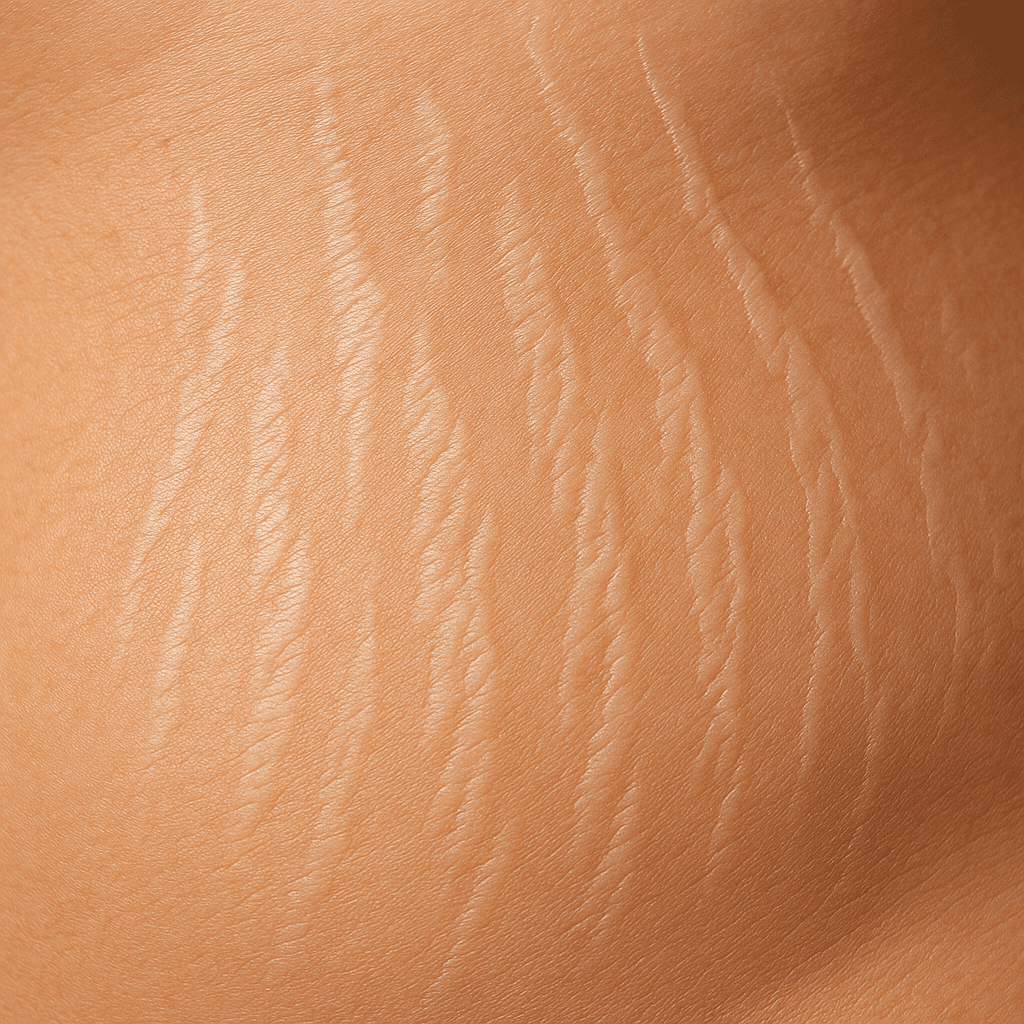
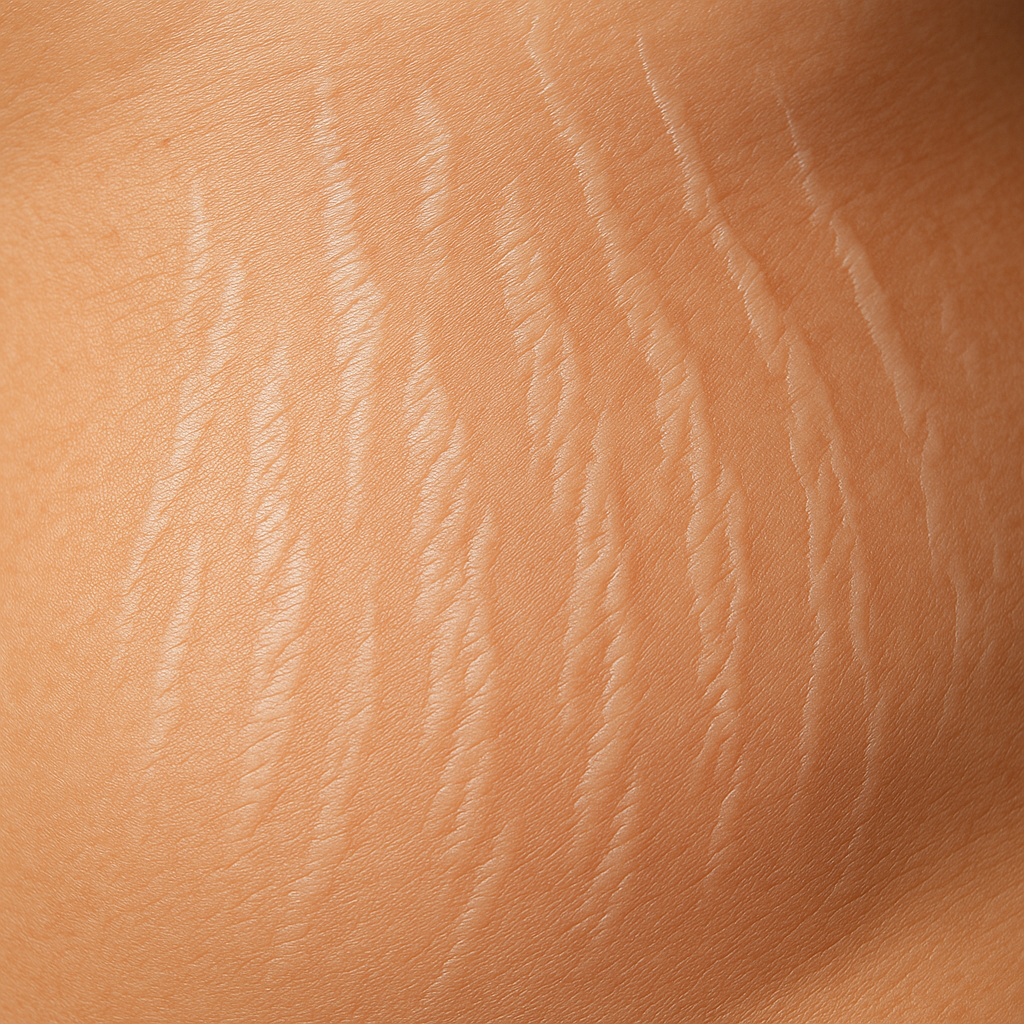
Before diving into how to remove stretch marks, it’s essential to understand what causes them. Stretch marks, medically known as striae, are narrow lines or streaks that appear on the skin when its middle layer, the dermis, stretches and tears. This tearing occurs because the skin loses elasticity when subjected to rapid expansion or contraction.
Why Does the Skin Stretch This Way?
Commonly, stretch marks develop during periods of sudden growth or weight gain. For example, many experience them during puberty when the body changes quickly or during pregnancy, when the abdomen and breasts expand to accommodate a growing baby. Weight fluctuations, including rapid weight gain or loss, can also be triggers.
Hormonal changes play a significant role, too. During pregnancy or puberty, hormones like cortisol can interfere with the skin’s ability to retain collagen and elastin—two critical proteins that keep skin firm and elastic. When these proteins break down, the skin becomes more prone to tearing under tension.
Who Is More Prone to Stretch Marks?
Not everyone develops stretch marks under these conditions. The likelihood depends on several factors:
- Genetics: Some people’s skin types are naturally more elastic, making them less susceptible.
- Rate of weight gain: The faster the skin stretches, the higher the chance of damage.
- Body location: Areas like the abdomen, breasts, thighs, hips, and arms are most commonly affected.
- Certain medical conditions: Rarely, underlying disorders such as Cushing’s syndrome, which leads to excessive cortisol production, can cause extensive stretch marks.
Understanding these risk factors helps paint a clear picture of why stretch marks form in the first place.
What Does This Mean for Treating and Preventing Stretch Marks?
Knowing that stretch marks result from skin tearing and collagen loss emphasizes why they can be challenging to eliminate completely. While many creams and oils claim prevention or removal benefits, evidence indicates they often have limited effect once marks have formed. Maintaining a stable, healthy weight and supporting skin health through proper hydration and nutrition are practical steps to reduce the risk.
If you’re wondering how to remove stretch marks effectively after they appear, treatments focus on encouraging collagen production or skin regeneration to improve texture and appearance, rather than erasing them entirely.
For a detailed overview of how stretch marks develop and potential medical insights, the NHS guide on stretch marks offers comprehensive and trustworthy information. Additionally, pregnancy-specific causes and care tips are well outlined in the NHS pregnancy stretch marks page, which sheds light on hormonal influences and natural fading over time.
At Simcoe Cosmetic Clinic, understanding these factors underscores our approach to tailored treatments that consider your skin’s unique condition and elasticity, helping you take meaningful steps toward reducing the visibility of stretch marks.
Step 2: Use Topical Treatments to Reduce Stretch Marks
Once your stretch marks have appeared, you might be wondering: how to remove stretch marks effectively? While complete elimination is often unrealistic, topical treatments can play a vital role in reducing their visibility. These treatments primarily work by moisturizing the skin, boosting collagen production, and promoting skin regeneration to help blend stretch marks with the surrounding healthy skin.
Choosing the Right Topical Products
Not all creams, oils, and gels are created equal. When selecting a topical treatment, consider products that are rich in ingredients known to support skin repair and elasticity, such as retinol, hyaluronic acid, cocoa butter, and rosehip oil. For example, Mederma Quick Dry Oil combines sweet almond and rosehip oils to help reduce the appearance of stretch marks by enhancing skin hydration and texture.
It’s wise to select a formula based on your skin’s sensitivity and personal preference — options range from lightweight oils to richer creams and gels. For sensitive skin, gentle, hypoallergenic products like TriLASTIN Intensive Stretch Mark Cream offer non-toxic, paraben-free formulas that minimize irritation.
Why Retinol Is a Key Ingredient
Retinol, a derivative of vitamin A, is widely acclaimed for its ability to stimulate collagen production and increase cell turnover. These actions can effectively fade stretch marks, especially when they are new and still reddish or purple in tone. Applying retinol consistently helps your skin rebuild collagen, improving elasticity and smoothing the marked areas.
However, retinol should be used cautiously — it can increase sensitivity to sunlight, so applying a broad-spectrum sunscreen daily is essential when incorporating retinol into your routine. Also, pregnant or breastfeeding women should avoid retinol-based products due to potential risks.
Products like Jan Marini Age Intervention Retinol Plus and SkinMedica Age Defense Retinol Complex offer effective retinol formulations tailored for sensitive areas such as the abdomen, thighs, or arms. Start with lower concentrations to minimize irritation, slowly increasing usage frequency as your skin acclimatizes.
Best Practices for Applying Topical Treatments
Maximize results by applying topical stretch mark treatments as part of a daily skincare routine. Here’s a simple how-to approach:
- Clean and dry the skin: Gently cleanse the area to remove dirt and oils before application.
- Use circular motions: Massage the product into your skin using circular movements. This stimulates circulation and helps absorption.
- Consistency is key: Apply treatments 2–3 times daily, depending on product instructions. Long-term use—several months or more—is typically needed to notice improvements.
- Moisturize: Follow with a hydrating moisturizer rich in ingredients like hyaluronic acid or shea butter to maintain skin elasticity and suppleness.
- Sun protection: Always use sunscreen on treated areas during the day to prevent UV damage that can worsen stretch marks and compromise treatment effectiveness.
Introducing gentle exfoliation once or twice a week can also improve the skin’s receptiveness to treatments by removing dead cells and promoting new cell growth.
Understanding Limitations and Enhancing Results
It’s important to set realistic expectations. Topical treatments cannot erase stretch marks completely but can visibly improve their texture and color over time, especially if started early. Older, white or silver stretch marks are more stubborn because the skin has fully healed and scarred, making treatments less effective alone.
If you’re seeking faster or more pronounced results, consider combining topicals with professional treatments available at Simcoe Cosmetic Clinic, such as laser therapy or microneedling, which enhance collagen production more intensively.
In summary, how you use topical treatments plays a pivotal role in reducing the visibility of stretch marks. Choose quality products with proven active ingredients like retinol and nourishing oils, apply them consistently with good skin care practices, and protect your skin from sun exposure. This methodical approach will help you take proactive steps toward smoother, healthier-looking skin.
For a deeper dive into the effectiveness of various products recommended by dermatologists and users alike, check out the comprehensive rankings of stretch mark treatments and explore expert insights on retinol for stretch marks. These resources offer further guidance to help tailor your skincare regimen confidently.
Step 3: Explore Professional Treatments for Stretch Marks
When thinking about how to remove stretch marks, it’s important to realize that while topical creams provide gradual improvement, professional treatments at clinics like Simcoe Cosmetic Clinic offer more pronounced and faster results. These advanced options harness technology to stimulate your skin’s natural healing processes, promoting collagen and elastin production to restore smoother, healthier skin texture. Let’s explore some of the most effective professional treatments available and how they work.
Why Consider Professional Treatments?
Have you tried creams but find the results underwhelming? Or perhaps your stretch marks are older and more stubborn, appearing white or silver? Professional treatments target the deeper dermal layers where stretch marks occur, working beyond the surface to remodel scar tissue and enhance skin regeneration. These treatments can reduce the width and length of stretch marks and improve their color and texture, helping you regain confidence in your skin.
Laser Therapy: Precision and Power
Laser therapy is a leading method for treating stretch marks, especially effective on newer red or purple marks. The process involves using concentrated light energy to penetrate the skin, breaking down damaged scar tissue while triggering collagen and elastin synthesis. There are two main types:
- Ablative lasers: These remove the outer skin layer to promote new skin growth but may involve more downtime and side effects like redness and swelling.
- Non-ablative lasers: These heat the dermis to stimulate collagen without damaging the surface, offering milder side effects and faster recovery.
Most patients require multiple sessions—typically 4 to 6—to achieve optimal results. The procedure is minimally painful, often described as a mild warming sensation, and allows quick return to normal activities. However, it’s essential to choose an experienced provider to minimize risks such as hyperpigmentation or scarring, especially if you have darker skin tones. For a detailed overview, refer to expert insights on laser stretch mark removal at Prime Aesthetica’s laser treatment guide.
Microneedling: Stimulating Your Skin’s Natural Repair
If laser therapy sounds intimidating or you’re looking for a more economical option, microneedling is a powerful alternative that’s gaining popularity. This technique uses tiny, fine needles to create controlled micro-injuries in the skin, prompting your body to produce collagen and elastin for repair. It’s safe for most skin types and effective on all stages of stretch marks, from red to white.
Clinical research shows that microneedling has comparable efficacy to fractional CO2 laser treatments in reducing stretch mark size and improving skin texture, with minimal downtime and fewer side effects (according to recent clinical studies).
Often performed in a series of monthly sessions, microneedling can be combined with topical serums to boost healing. If you want to discover the benefits and details of microneedling in Barrie, check out our detailed article on microneedling treatments.
Complementary Treatments to Enhance Results
Many individuals benefit from combining laser or microneedling with other professional treatments such as:
- Microdermabrasion: A gentle exfoliation technique that removes dead skin cells and improves topical absorption.
- Chemical Peels: Acid-based peels that renew skin surface and improve tone, often used as adjunctive therapy.
Such combinations can amplify collagen stimulation and skin rejuvenation, addressing both texture and discoloration of stretch marks more effectively.
Important Considerations Before Treatment
Before scheduling any professional treatment, ask yourself these questions:
- Are my stretch marks still in the early stages (red or purple)? Early treatment typically yields better results.
- Do I have any skin conditions like acne, or am I pregnant or breastfeeding? Treatments like laser may not be suitable in these cases.
- Am I prepared for multiple sessions and post-treatment care to maximize outcomes and minimize side effects?
Always seek a certified professional at a reputable clinic to ensure safety and effectiveness.
Summary Table: Comparing Key Professional Stretch Mark Treatments
| Treatment | Method | Benefits | Considerations |
|---|---|---|---|
| Laser Therapy | Light energy to stimulate collagen and remodel skin layers | Fast results, good for new marks, minimal downtime with non-ablative types | Possible redness, swelling; risk of pigmentation changes; multiple sessions needed |
| Microneedling | Controlled micro-injuries to trigger natural collagen production | Effective on all skin types and stretch mark stages; economical; light downtime | Require several treatments; may involve mild irritation post-session |
| Microdermabrasion & Chemical Peels | Exfoliation and skin resurfacing using crystals/acid solutions | Enhances results of other treatments; improves skin texture and tone | Not standalone treatment for stretch marks; mild sensitivity post-care |
Ultimately, choosing the right professional treatment for your stretch marks depends on your skin type, stretch mark stage, budget, and lifestyle. Consulting with the expert team at Simcoe Cosmetic Clinic ensures personalized recommendations tailored to your needs. Our specialists combine the latest technology with gentle care to help you regain youthful, smooth skin safely and confidently.
Ready to explore your options? Learn more about advanced skincare treatments at Simcoe Cosmetic Clinic and take the next step toward visibly reducing your stretch marks.
Step 4: Natural and Home Remedies to Help Fade Stretch Marks
After considering professional options like laser therapy and microneedling, many ask: are there effective natural ways to help fade stretch marks at home? The good news is yes—incorporating certain natural remedies into your skincare regimen can support skin hydration, improve elasticity, and gently reduce the visibility of stretch marks over time. While these methods may not erase stretch marks entirely, consistent use can noticeably enhance your skin’s texture and tone.
1. Harness the Power of Aloe Vera and Nut Oils
Aloe vera is renowned for its skin regeneration and soothing properties. Applying pure aloe vera gel daily helps calm inflammation and supports the skin’s healing process due to its rich content of vitamins A and C and antioxidants. Pairing aloe vera with nourishing nut oils, such as sweet almond or coconut oil, can provide deep moisturization and create a protective barrier to lock in hydration. Studies highlight how this combination not only relieves the itchiness sometimes associated with stretch marks but also nourishes the skin to promote elasticity according to researched natural treatments.
2. Exfoliate Regularly with Natural Scrubs
Exfoliation plays a crucial role in fading stretch marks by removing dead skin cells and encouraging new skin development. One accessible and gentle way to exfoliate is by using a sugar scrub. Sugar’s natural texture acts as a mild abrasive that stimulates circulation and smooths out rough skin. After scrubbing, always apply a moisturizer to nourish the fresh skin layers. This routine boosts skin renewal and enhances the effectiveness of any subsequent topical treatment, helping stretch marks become less pronounced.
3. Embrace Vitamin-Rich Oils and Creams
Oils rich in vitamins A and E, such as rosehip oil and argan oil, have demonstrated benefits for skin repair and improved elasticity. Rosehip oil, in particular, boasts antioxidant properties and vitamin C content that brighten skin and can reduce the severity of newer stretch marks when applied consistently. Argan oil supports skin softness and suppleness, making the stretch marks less noticeable. Incorporate these oils into your nightly skincare routine by gently massaging them into affected areas.
4. Try Egg White Masks for Skin Tightening
Egg whites are packed with amino acids and proteins that help tighten and plump the skin. Applying whisked egg whites as a mask on stretch marks can temporarily firm the skin, improving its texture. After allowing the mask to dry, rinse with warm water and follow with an oil-based moisturizer to lock in hydration. While the tightening effect is short-lived, routine application can support elasticity over time.
5. Use Skin-Brightening Ingredients with Caution
Lemon juice is known for its natural vitamin C content and skin brightening properties. Though it may help even out skin tone, caution is required: lemon juice can be irritating and may cause photosensitivity. If you choose to apply lemon juice or a cucumber-lemon mask, do so sparingly and always follow with sunscreen when exposed to sunlight.
Natural remedies require patience and consistent effort, as results often unfold gradually. To maximize their benefit in your journey to learn how to remove stretch marks, integrate these treatments alongside your chosen professional therapies and maintain healthy lifestyle choices such as balanced nutrition and staying hydrated.

For in-depth guidance on incorporating natural ingredients safely and effectively, consult trusted skincare resources such as Mederma’s expert natural scar treatment tips or dermatology-backed articles on Healthline’s comprehensive stretch mark remedies. Always remember that combining natural care with professional advice from clinics like Simcoe Cosmetic Clinic creates the best pathway to visibly improved skin.
Step 5: Prevention Tips to Avoid Future Stretch Marks
Preventing stretch marks before they appear is often more effective and less time-consuming than treating them after they’ve formed. But how exactly can you protect your skin from these stubborn marks? While genetics do play a role, there are practical steps you can take to minimize your risk and maintain skin elasticity.
Manage Your Weight Gradually
Rapid changes in weight, whether gain or loss, are common triggers for stretch marks. When the skin stretches or shrinks too quickly, its underlying structure can tear, leading to those unsightly streaks. To reduce this risk, aim for steady, gradual weight changes. If you’re pregnant or simply looking to improve your health, working with a healthcare provider or nutritionist to create a balanced diet and exercise plan helps keep weight fluctuations in check. This approach supports your skin’s ability to adapt while nourishing your body.
Stay Hydrated for Skin Resilience
It might sound simple, but hydration is key for maintaining skin softness and elasticity. Drinking sufficient water daily supports cellular function and helps keep your skin supple, reducing the likelihood of stretch marks. Experts recommend about 72 ounces (around 2 liters) for women and 104 ounces (about 3 liters) for men, though individual needs vary based on activity and climate. Be mindful that caffeinated drinks like coffee can have a mild diuretic effect, so balance them with extra water intake. To dive deeper, resources like the NIH’s comprehensive review on water and health explain why water is crucial not just for skin but overall wellness.
Feed Your Skin with a Nutrient-Rich Diet
Your skin needs specific nutrients to maintain collagen and elastin, the proteins responsible for elasticity. Integrate foods rich in vitamin C, zinc, and vitamin D as they have been linked to skin health and may reduce stretch marks. Citrus fruits, nuts, fish, and fortified dairy products are excellent choices. Focusing on a colorful, balanced diet that includes a variety of unprocessed whole foods provides these essential elements naturally. Since nutrition affects not only your skin but your whole body, adopting a wholesome eating pattern is a win-win.
Promote Elasticity with Topical Care
While not guaranteed to prevent stretch marks, applying creams or oils that contain ingredients like hyaluronic acid or natural oils such as almond or rosehip can keep your skin moisturized. Moisturized skin is more pliable and may better withstand stretching. Remember though, no topical product can promise complete prevention. Consistency is important, and early application during times of rapid growth or weight gain is best.
Consult Professionals for Personalized Guidance
If you’re particularly prone to stretch marks or expecting significant body changes, consulting a dermatologist or skincare professional at clinics like Simcoe Cosmetic Clinic can provide tailored strategies. They can recommend safe prevention tactics and monitor your skin’s response to changes over time, guiding you on professional options if marks begin to appear.
Ultimately, understanding how to remove stretch marks begins with prevention. By managing weight wisely, staying hydrated, embracing nutrient-rich foods, using skincare consistently, and seeking expert advice, you set a strong foundation to keep your skin smoother and more resilient. For further reading, explore Healthline’s expert guide on stretch mark prevention, where additional lifestyle and care tips await.
Conclusion
Understanding how to remove stretch marks isn’t just about finding a quick fix—it’s about embracing a comprehensive approach that supports your skin’s health and resilience. While complete eradication of stretch marks may not always be feasible, combining preventative care, consistent topical treatments, and professional guidance can significantly improve your skin’s appearance.
Have you considered how your lifestyle choices affect your skin’s capacity to heal? Prioritizing hydration, balanced nutrition, and maintaining a stable weight lays the foundation for smoother, more elastic skin less prone to stretch marks. Using moisturizing creams or oils early during rapid body changes enhances this foundation and may reduce visible lines.
For those seeking targeted results, personalized consultations at Simcoe Cosmetic Clinic offer tailored options based on your skin type and needs. Whether it’s advanced skin therapies or non-surgical rejuvenation treatments, expert support ensures you get a customized plan designed to help diminish stretch marks effectively.
Remember, patience and consistency are key. Stretch marks fade gradually, and the right strategy can accelerate this process while boosting confidence. Are you ready to take the next step toward revitalized skin? Reach out to Simcoe Cosmetic Clinic for a consultation and explore safe, effective ways to address your stretch marks with professional care.
Frequently Asked Questions
Q1: Are stretch marks completely removable?
While the complete removal of stretch marks is often challenging, there are numerous effective treatments that can significantly fade their appearance over time. The key is consistency and combining preventative methods with targeted therapies. At Simcoe Cosmetic Clinic, customized treatment plans using advanced, non-surgical options can help reduce stretch marks safely and noticeably.
Q2: How soon should I start treating stretch marks?
Timing matters. Early intervention when stretch marks are still red or purple—the active phase—can lead to better results since the skin is still undergoing changes. Using moisturizing creams, retinoids (under medical supervision), or professional therapies early may boost skin regeneration. If marks have turned white or silver, treatment remains beneficial but often requires more sessions for visible improvement.
Q3: Which treatments does Simcoe Cosmetic Clinic recommend for stretch marks?
Our clinic offers several proven options tailored to your skin type and stretch mark severity. These include microneedling to stimulate collagen production, laser therapies for skin remodeling, and medical-grade topical formulations. Our experts assess your skin and craft a plan combining these approaches to optimize outcomes without surgery, ensuring minimal downtime.
Q4: Are natural remedies effective in how to remove stretch marks?
Natural remedies like aloe vera, coconut oil, and shea butter provide excellent skin hydration and support elasticity. While they may not dramatically erase stretch marks alone, they are excellent complementary measures for prevention and maintaining healthy skin. For more stubborn marks, professional treatments deliver faster, more visible results.
Q5: Can lifestyle changes influence the development or fading of stretch marks?
Absolutely. Maintaining a balanced diet rich in vitamins C, E, zinc, and silica supports collagen synthesis and skin repair mechanisms. Staying hydrated and avoiding rapid weight fluctuations also help maintain skin elasticity. Incorporating gentle exercise promotes circulation, which aids healing. These lifestyle habits enhance the effectiveness of any stretch mark treatment.
Q6: How long does it take to see results from treatments?
Results vary depending on the method and individual skin characteristics. Many clients begin noticing smoother, less visible stretch marks within a few treatment sessions over several weeks to months. Patience is crucial, as skin remodeling is a gradual process. Consistency and following professional guidance will maximize your success.
Q7: Are there any risks or side effects associated with stretch mark treatments?
Non-surgical treatments offered at Simcoe Cosmetic Clinic are generally safe with minimal risk. Temporary redness, mild swelling, or sensitivity may occur but typically resolve quickly. Our trained professionals prioritize your comfort and adjust treatments to your skin’s response for optimal safety.
Curious about which option suits your unique skin? Reach out to Simcoe Cosmetic Clinic for a personalized consultation where we guide you step-by-step on how to remove stretch marks effectively and safely, tailored just for you.